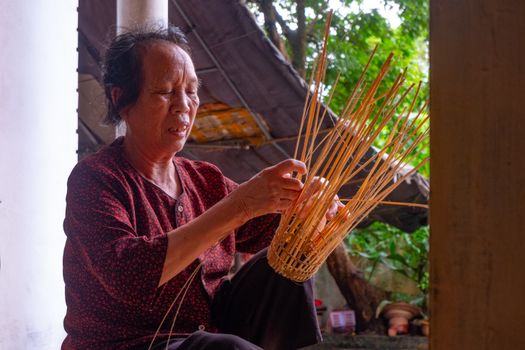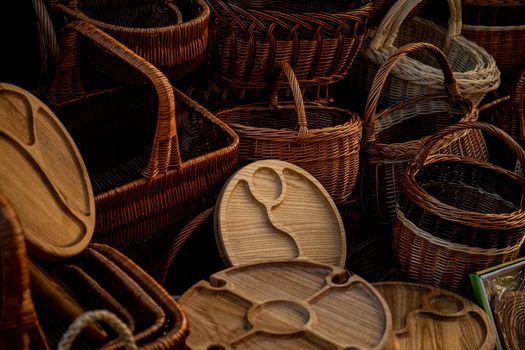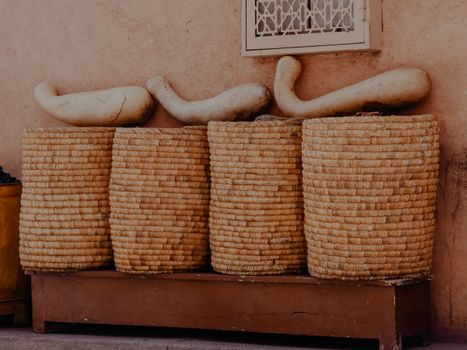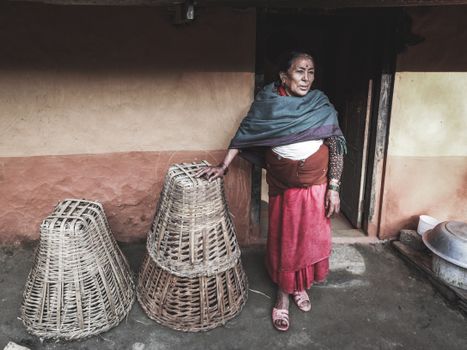
The world of basketry is experiencing a renaissance. Once viewed primarily as a functional craft for creating utilitarian objects, basketry now stands at the intersection of tradition and innovation. Modern artists and craftspeople are breathing new life into age-old weaving methods, blending them with contemporary aesthetics and technology. This article explores the dynamic trends in modern basketry, examining how traditional techniques are merging with 21st-century design to reshape both the art form and its cultural significance.
The Resurgence of Basketry in Modern Design
Basketry has long been a reflection of culture, geography, and necessity. In the 21st century, however, its role is rapidly evolving. The global handmade crafts market was valued at over $718 billion in 2022, with basketry accounting for a significant share, especially as interest in sustainable and artisanal goods grows. Designers and consumers alike are drawn to the authenticity and heritage embedded in handwoven baskets.
Today’s basketry movement is not about nostalgia alone. Contemporary designers are collaborating with traditional artisans, merging styles, shapes, and materials that were once distinct. For example, collaborations between Scandinavian designers and Southeast Asian weavers have produced striking pieces that marry minimalist geometric forms with intricate, indigenous patterns. In urban settings, basketry is finding new life as avant-garde sculpture, high-end home décor, and even architectural elements.
Innovative Materials: Beyond Willow and Cane
Traditional basketry typically relied on locally available materials—willow, cane, bamboo, rattan, and reeds. Modern basket makers, however, are experimenting with a much broader palette. The result is a fascinating juxtaposition of old and new.
Natural fibers remain popular, but synthetic and upcycled materials are gaining ground. Artists now incorporate recycled plastics, rubber, metal wire, and even paper. The use of non-traditional materials speaks to both environmental consciousness and creative exploration. For example, Ghanaian artist El Anatsui has gained international acclaim for monumental woven installations made from recycled bottle caps and aluminum.
This trend is not only artistic but also practical. By blending traditional weaving with industrial materials, baskets can be made more durable, weather-resistant, or suited for entirely new functions. In some cases, the fusion of materials allows for baskets that are lighter, stronger, or more flexible than their traditional counterparts.
Tech-Driven Techniques: Digital Tools Meet Handcraft
Perhaps the most striking trend in modern basketry is the integration of technology. Computer-aided design (CAD), digital modeling, and even 3D printing are transforming how baskets are conceptualized and created. These tools allow artisans to experiment with complex forms, test structural integrity, and visualize color schemes before a single strand is woven.
For instance, designers at the Massachusetts Institute of Technology (MIT) have developed software that simulates basket weaving patterns, enabling the creation of mathematically intricate structures impossible to achieve by hand alone. This fusion of handwork and high-tech design has led to a new genre of “algorithmic basketry,” where tradition and innovation weave together seamlessly.
A comparative overview of traditional and modern basketry techniques is shown below:
| Aspect | Traditional Basketry | Modern Basketry |
|---|---|---|
| Materials | Natural fibers (willow, rattan, cane) | Natural & synthetic (plastics, metal, upcycled materials) |
| Design Tools | Hand-drawn sketches, memory, tradition | CAD software, digital modeling, 3D printing |
| Techniques | Hand weaving, coiling, plaiting | Hybrid methods, laser cutting, algorithm-driven patterns |
| Purpose | Functional (storage, gathering, rituals) | Functional, decorative, architectural, conceptual art |
Cultural Cross-Pollination and Globalization
Cultural exchange has always played a role in basketry, but globalization has accelerated this process dramatically. Artisans and designers now share techniques, motifs, and inspiration across continents, leading to a fusion of ideas that transcends borders.
One striking example is the revival of coiling techniques from Native American basketry in contemporary Japanese interior design. Similarly, African weaving patterns are being incorporated into Scandinavian furniture, while South American reed basketry methods inspire Australian jewelry designers.
This cross-pollination has several benefits: it helps preserve endangered weaving traditions, provides economic opportunities for indigenous communities, and sparks creative innovation. In 2023, UNESCO reported a 26% increase in cultural heritage preservation programs that include basketry, a testament to the art form’s renewed global relevance.
However, this blending of traditions also raises important questions about cultural appropriation versus appreciation. Ethical collaborations—where traditional artisans are credited and compensated—are becoming a benchmark for best practices in the field.
Functional Art: From Everyday Objects to Gallery Pieces
Modern basketry defies easy categorization. Baskets are no longer limited to utilitarian roles; they are celebrated as functional art and collectable design objects. In 2022, the Museum of Modern Art in New York featured an exhibition dedicated entirely to contemporary basket artists, highlighting works that blur the line between craft and fine art.
Contemporary basketry is also making its mark in architecture and interior design. Large-scale woven installations, such as the woven bamboo pavilions of Vietnamese architect Vo Trong Nghia, demonstrate how traditional basketry skills can be scaled up for dramatic effect. In residential and commercial spaces, woven textures offer warmth and tactility, satisfying the current demand for biophilic (nature-inspired) design.
The shift towards functional art is reflected in the market as well. According to a 2023 report by Art Basel, sales of contemporary basketry artworks increased by 32% compared to the previous year, indicating a growing collector base and institutional recognition.
Sustainability and Social Impact in Modern Basketry
Sustainability is at the heart of many modern basketry trends. Consumers are increasingly eco-conscious, seeking products that are both beautiful and environmentally responsible. Basketry—especially when it utilizes renewable or upcycled materials—fits perfectly into this movement.
Many contemporary basketry initiatives are also focused on social impact. Organizations like The Basket Room (UK) and Baskets of Africa partner with artisan cooperatives, providing fair wages and preserving traditional skills while opening access to global markets. In Kenya alone, over 12,000 women have gained sustainable income through basket weaving projects.
Basketry’s low-tech, low-energy methods and biodegradable materials make it a model for circular design. Even when synthetic materials are used, the emphasis is often on recycling and upcycling to minimize waste.
Final Reflections on the Future of Basketry
Basketry’s journey from ancient necessity to modern art form is a testament to human ingenuity and adaptability. The trends shaping today’s basketry scene—innovative materials, digital design, cross-cultural exchange, and a focus on sustainability—demonstrate the enduring relevance of traditional crafts in our ever-changing world.
As basketry continues to evolve, it invites us to consider the value of handwork, the importance of cultural heritage, and the exciting possibilities that emerge when we merge the best of past and present. Whether displayed in a museum, woven into the fabric of a home, or carried as a statement accessory, the modern basket is more than a vessel—it’s a symbol of creativity, community, and connection.