The Role of Baskets in Native American Traditions: Symbolism, Ceremony, and Daily Life
Baskets are far more than utilitarian objects in Native American cultures. Across North America, woven baskets have served as vessels of survival, storytelling, artistry, and sacred tradition. Their forms and purposes are as diverse as the tribal nations themselves, ranging from intricately patterned storage containers to ceremonial gifts marking life’s most significant milestones. This article explores the multifaceted roles that baskets play in Native American traditions, highlighting their spiritual significance, societal functions, and enduring legacy.
The Deep Roots of Basketry in Native American Societies
Basket weaving is one of the oldest known crafts in the Americas, with archaeological evidence of woven fragments dating back nearly 9,000 years. In places such as the Nevada Great Basin, ancient baskets have been unearthed alongside early tools, revealing their foundational role in daily survival. More than 200 distinct basketry traditions are recognized among Native nations, each reflecting unique environmental resources, beliefs, and aesthetic preferences.
Baskets were essential for gathering, storing, and preparing food. Pomo women of California, for example, crafted watertight baskets to cook acorn mush with heated stones—an ingenious adaptation to their ecosystem. In the Southwest, Hopi and Apache peoples created large burden baskets for carrying crops and wood, while the Cherokee of the Southeast specialized in river cane baskets for storing seeds and grain.
Yet, beyond practicality, baskets became repositories of cultural identity. Weaving techniques, colors, and motifs were passed down through generations, embedding origin stories, clan symbols, and spiritual teachings in every coil and stitch. For many Native communities, the process of weaving itself is seen as an act of prayer, meditation, and connection to ancestors.
Baskets as Sacred and Ceremonial Objects
The spiritual significance of baskets is profound and enduring. In many tribes, certain baskets are considered sacred, used exclusively for rituals or religious ceremonies. For instance, the Pomo people are renowned for their feathered gift baskets, which were historically exchanged at birth, puberty, marriage, and death—each event marked by a unique style and pattern.
Among the Tohono O’odham of Arizona, the "man in the maze" motif commonly woven into baskets symbolizes the journey of life and the search for balance. These baskets are often used in rainmaking ceremonies, harvest celebrations, and rites of passage, carrying prayers and blessings woven into their very structure.
Some Native nations use baskets as offering vessels, filled with sacred plants, shells, or stones and placed at shrines or on altars. In the Pacific Northwest, Salish and Makah basketry features designs that represent animal spirits and ancestral beings, transforming everyday objects into conduits for spiritual guidance.
Baskets also play a key role in healing and medicine. Apache medicine men use covered baskets filled with herbs and sacred items during curing rituals, while Cherokee medicine baskets are woven with powerful symbols to protect and heal the sick.
Social Structure, Gender Roles, and the Art of Weaving
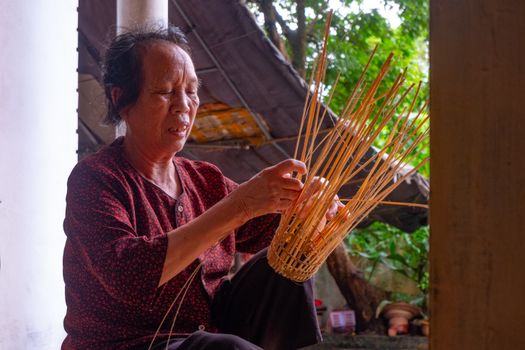
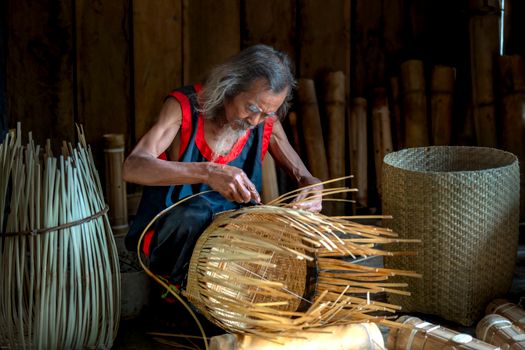
Basket weaving is deeply intertwined with social structure and gender roles in many Native American societies. Traditionally, weaving skills are handed down through matrilineal lines, with women serving as primary keepers of the craft. In some tribes, a young woman’s ability to create fine baskets is a source of family honor and a rite of passage into adulthood.
The communal aspect of basket weaving cannot be overstated. Many tribes hold seasonal gatherings for collective harvesting of materials such as willow, sumac, or sweetgrass, followed by group weaving sessions where stories, songs, and techniques are shared. This collaborative process reinforces community bonds and ensures the survival of traditional knowledge.
However, there are notable exceptions to these norms. In the Chitimacha Tribe of Louisiana, both men and women have historically participated in basket making, especially for utilitarian baskets used in fishing and agriculture. This flexibility highlights the dynamic nature of cultural practices and the adaptability of basketry to changing social needs.
Economic and Trade Significance of Native American Baskets
The exchange of baskets has long played a vital role in intertribal trade and economic sustenance. Before European contact, baskets were traded regionally for food, furs, shells, and other resources. For example, the famous burden baskets of the Apache were highly valued in trade networks stretching across the Southwest.
By the late 19th and early 20th centuries, the arrival of collectors and tourists created new markets for Native basketry. This era saw a flourishing of artistic innovation, with weavers experimenting with forms and patterns to appeal to non-Native buyers. According to the Smithsonian Institution, some Pomo baskets from this period sold for as much as $1,000—a considerable sum at the time.
Today, the market for Native American baskets remains robust. Contemporary weavers continue to support their families and communities through the sale of baskets, while also participating in museum exhibitions and cultural festivals. The economic impact is significant: the Native American arts and crafts industry generates over $1 billion annually, with basketry representing a vital segment.
The table below compares several major tribal basket traditions, highlighting differences in materials, weaving techniques, and traditional uses:
| Tribe/Nation | Primary Materials | Weaving Technique | Traditional Uses |
|---|---|---|---|
| Pomo (California) | Willow, sedge, bulrush, feathers | Coiling, twining | Gift baskets, cooking, ceremonies |
| Hopi (Southwest) | Yucca, willow, three-leaf sumac | Coiling, plaiting | Grain storage, ceremonial plaques |
| Cherokee (Southeast) | River cane, white oak, honeysuckle | Double-weave, twill | Food storage, seed baskets |
| Salish (Pacific Northwest) | Cedar bark, bear grass, wild cherry bark | Twining | Root gathering, berry baskets |
| Chitimacha (Louisiana) | River cane | Double-weave, single-weave | Fishing, agricultural containers |
Symbolism and Storytelling in Basket Designs
Basket patterns are more than decorative—they function as a visual language, encoding stories, values, and historical events. For example, the Navajo “wedding basket” is woven with a symbolic path leading from the basket’s center (representing emergence and birth) to the rim (symbolizing life’s journey and the sacred connection to the cosmos).
Among the Tlingit people of Alaska, baskets are adorned with geometric forms and animal figures, each motif carrying clan affiliations and mythological significance. Similarly, the California Mission tribes use diamond, zigzag, and spiral patterns as representations of water, mountains, and life cycles.
In many cases, the meaning of basket designs is closely guarded, passed down orally from weaver to apprentice. Some patterns are reserved for particular families or ceremonial purposes, ensuring their sacredness and authenticity are maintained.
The storytelling function of baskets also extends to their use as gifts. A basket given at a wedding or naming ceremony may be woven with motifs that bless the recipient with abundance, fertility, or strength. In this way, baskets serve as tangible expressions of intangible hopes and histories.
Preserving Basketry Traditions in the Modern Era
The survival of Native American basket traditions has faced significant challenges, from forced assimilation policies to the loss of access to traditional materials due to land development and environmental change. By the early 20th century, some basket styles and techniques were in danger of disappearing altogether.
However, recent decades have seen a powerful revival, driven by a new generation of Native artists, cultural educators, and tribal programs. Workshops, apprenticeships, and intertribal festivals are helping to restore lost knowledge and inspire innovation. For instance, the California Indian Basketweavers Association, founded in 1992, now includes more than 200 members and is dedicated to the revitalization of regional basketry.
Technological advances also play a role. Online resources and digital archives allow weavers to connect, share patterns, and document their work for future generations. Museums and cultural centers across the United States, such as the National Museum of the American Indian, have expanded their collections and educational outreach, bringing greater public awareness to the significance of basketry.
Enduring Legacy: The Cultural Impact of Native American Baskets
Baskets remain living symbols of resilience, creativity, and cultural continuity for Native American communities. Whether displayed in museums or used in daily life, their presence connects the past to the present and ensures the survival of ancestral knowledge. In a world that often values speed and technology, the time-honored traditions of basket weaving offer lessons in patience, stewardship, and respect for the natural world.
As Native nations reclaim their artistic heritage and pass it on to younger generations, baskets continue to play a vital role in expressing identity, sustaining community ties, and honoring the sacredness of life itself.