The Artistry Involved in American Traditional Basket Weaving: Techniques, Stories, and Cultural Significance
Basket weaving in America is far more than a functional craft—it's a living art form, a vessel of cultural memory, and a testament to generations of creativity. The artistry involved in American traditional basket weaving is as intricate as the patterns woven into each piece. From the selection of natural materials to the storytelling embedded in each design, these baskets offer a window into the heart of American heritage. This article delves deep into the creative processes, regional variations, and cultural meanings that make American traditional basket weaving a unique artistic discipline.
The Creative Process: From Gathering Materials to Finishing Touches
The artistry of American traditional basket weaving begins long before the actual weaving process. It starts with the thoughtful selection and preparation of materials—a step that requires both knowledge and care.
Across the United States, weavers harvest local materials such as river cane, white oak, black ash, sweetgrass, and willow, each chosen for its unique properties. For example, black ash trees, found primarily in the Northeast and Midwest, are sought after because their annual growth rings can be easily separated into thin, pliable strips. The process of pounding, peeling, and splitting black ash logs into splints is itself a skill passed down through generations.
In the Southeast, Cherokee basket makers favor river cane, which is split and scraped before being dyed with natural pigments like bloodroot or walnut hulls. This careful preparation can take weeks and requires a deep understanding of the local ecosystem.
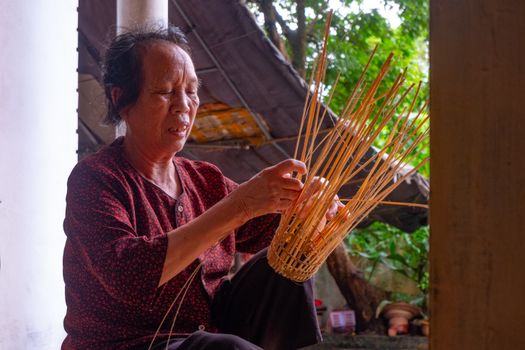
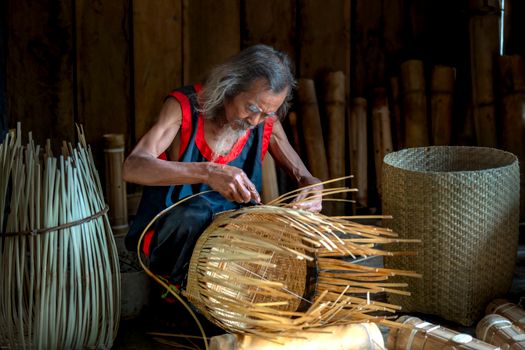
Once materials are ready, the weaver’s artistry shines through in the construction phase. Every movement—whether coiling, plaiting, or twining—requires precision and patience. Decorative techniques such as overlaying dyed strips or incorporating beads and feathers add another layer of creativity.
According to the National Basketry Organization, a single medium-sized traditional basket can take anywhere from 20 to 60 hours to complete, depending on complexity and materials. This meticulous process is a testament to the dedication and artistic discipline of America’s basket weavers.
Regional Styles: A Tapestry of Techniques and Traditions
America's vast landscape has given rise to diverse basketry traditions, each with its own techniques, patterns, and cultural meanings. These regional styles are a crucial aspect of the artistry involved in traditional basket weaving.
For example, the Pomo people of Northern California are renowned for creating some of the world’s most intricate feathered and beaded baskets. Their use of sedge root, redbud, and bulrush, coupled with tiny stitches—sometimes as many as 500 per square inch—demonstrates extraordinary skill.
In the Northeast, Wabanaki tribes such as the Penobscot and Passamaquoddy are famous for their ash splint baskets, often adorned with sweetgrass braids and woven in complex patterns. These baskets were traditionally used for gathering berries, yet their elegant forms and precise patterns have made them highly collectible art pieces.
The Appalachian region’s white oak baskets, often associated with Shaker and African American traditions, are celebrated for their durability and practical design. Makers split and shave white oak to create sturdy splints, weaving baskets that could withstand daily use on farms and in markets.
A visual comparison of some iconic regional styles illustrates the diversity and creativity found in American traditional basket weaving:
| Region/Tribe | Common Materials | Techniques | Distinctive Features |
|---|---|---|---|
| Pomo (California) | Sedge root, redbud, bulrush | Coiling, twining | Feather and bead embellishments, fine stitching |
| Wabanaki (Northeast) | Black ash, sweetgrass | Plaiting, twining | Braided sweetgrass rims, geometric patterns |
| Cherokee (Southeast) | River cane, bloodroot, walnut dye | Double-weave, twill | Reversible double-weave, natural dyes |
| Shaker/Appalachian | White oak | Splint weaving | Utility baskets, minimalist design |
Each style is a reflection of the landscape, culture, and artistic vision of its makers—a woven signature passed down through generations.
Patterns and Symbolism: Weaving Stories into Baskets
One of the most compelling aspects of American traditional basket weaving is the way stories, beliefs, and histories are encoded in patterns and forms. The artistry here is not just in the execution, but in the meaning embedded within every basket.
For many Native American tribes, specific designs carry cultural or spiritual significance. A common motif in Cherokee river cane baskets is the "Peace Pipe" pattern, representing harmony and diplomatic relationships. In the Southwest, Hopi and Apache basketry often features stylized representations of rain, clouds, or animals—symbols of sustenance and connection to the natural world.
African American basket makers in the South Carolina Lowcountry, known for the coiled sweetgrass basket tradition, weave designs that echo West African symbols. The "fanner" basket, for example, is a direct link to rice cultivation methods brought by enslaved Africans, symbolizing resilience and adaptation.
The use of color is also deeply symbolic. Natural dyes—such as black from walnut, red from bloodroot, and yellow from goldenrod—are chosen not just for beauty, but for their connection to the land and its cycles.
A 2021 survey by the Smithsonian Institution found that over 68% of contemporary Native American basket weavers intentionally incorporate traditional motifs and stories into their work, preserving cultural narratives while adapting to modern aesthetics.
The Role of Basket Weaving in American Cultural Identity
The artistry of American traditional basket weaving extends beyond objects; it plays a vital role in shaping cultural identity, community cohesion, and intergenerational learning.
For indigenous communities, basket weaving is a cornerstone of cultural revitalization. Elders and master weavers teach younger generations, not just the technical skills, but the stories, songs, and ceremonies that surround the craft. This passing of knowledge ensures that basketry remains a living tradition.
Outside Native communities, basket weaving has also been a means of economic empowerment. During the late 19th and early 20th centuries, many women in rural America—including Shaker, Appalachian, and African American communities—sold baskets at local markets and fairs, contributing to household income and preserving artisan skills.
Today, basketry is celebrated in museums, galleries, and cultural festivals across the United States. The annual Cherokee Indian Fair in North Carolina, for example, features basket weaving competitions and workshops, drawing thousands of visitors and showcasing the artistic achievements of contemporary weavers.
According to the U.S. Census Bureau, more than 24,000 Americans identified basket making as their primary artistic occupation in 2020—a sign of the enduring appeal and importance of this craft.
Modern Innovations and the Future of Basket Weaving Artistry
While rooted in tradition, American basket weaving continues to evolve. Contemporary artists are experimenting with new materials, forms, and purposes, blending heritage with innovation.
Some modern weavers incorporate recycled materials, such as telephone wire or plastic strips, into traditional forms—a creative response to environmental concerns and a testament to artistic adaptability. Others collaborate with painters, sculptors, or digital artists to create multimedia installations that highlight the aesthetic and conceptual possibilities of basketry.
Educational institutions and cultural organizations have also played a key role in preserving and promoting basket weaving. Programs such as the Maine Indian Basketmakers Alliance and the National Basketry Organization provide workshops, exhibitions, and apprenticeships, ensuring that the artistry of basket weaving remains vibrant and relevant.
The growing interest in sustainable, handmade goods has brought renewed attention to traditional basketry. According to a 2022 report by the American Craft Council, demand for artisan-made baskets grew by 18% between 2018 and 2021, reflecting a broader movement toward valuing craft, authenticity, and heritage.
Celebrating the Enduring Artistry of American Traditional Basket Weaving
The artistry involved in American traditional basket weaving is a rich tapestry of skill, creativity, and cultural meaning. From the careful selection of materials to the intricate patterns that tell stories, each basket is a unique work of art—an expression of individual vision and collective heritage.
As contemporary weavers continue to innovate while honoring tradition, American basketry remains a dynamic and vital part of the nation’s artistic landscape. Whether displayed in museums or used in daily life, these baskets remind us of the enduring power of creativity, community, and cultural connection.