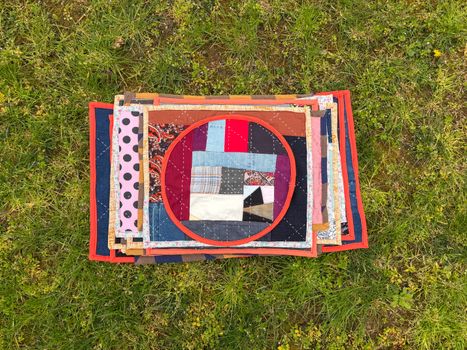
For centuries, American quilts have been cherished not only as functional household items but also as vibrant canvases of personal and collective expression. While most people admire the intricate patterns and expert stitching, many overlook a crucial layer of meaning—the colors themselves. In the world of quilts, every hue tells a story, reflects a belief, or commemorates an event. By understanding the symbolism of colors in American quilts and their meaning, we gain new appreciation for these beloved textile artworks and the people who made them.
The Historical Roots of Color Symbolism in American Quilts
The tradition of quilt-making in America stretches back to the colonial era, evolving with waves of immigrants, technological advances, and changing social customs. Early American quilters often had limited access to fabrics and dyes, so color choices were sometimes dictated by necessity. However, as the 19th century saw an explosion of textile production and the introduction of aniline dyes, quilters could select from a vast color palette.
Color symbolism in quilts grew alongside these changes. Colors were often chosen for their practical properties—such as dark colors to hide stains—but also for their emotional, spiritual, or cultural associations. For example, red might be used to signify love or valor, while green could symbolize growth or hope. The meaning of colors also varied by region, community, or even family tradition, making each quilt a unique reflection of its maker.
During the 1800s, as quilting societies and communal quilting bees blossomed across the country, color symbolism became a subtle yet powerful language. A red and green quilt might be a Christmas gift, while a blue and white design could be intended for a wedding. Even today, antique quilts often serve as historical documents, preserving the beliefs and values of earlier generations.
Decoding the Colors: What Do Quilt Colors Mean?
Every color has a story, and American quilts are rich with these coded messages. Here’s a closer look at the most commonly used colors and their traditional meanings:
Red: Often associated with love, courage, sacrifice, and vitality. In the 19th century, Turkey red dye was prized for its brilliance and colorfastness. Red was frequently used in “Album” quilts commemorating special occasions or loved ones departing for war.
Blue: Signifies loyalty, trust, and serenity. Blue was a popular choice for wedding quilts and gifts for newborns. Indigo-dyed fabrics, commonly used in the 1800s, created deep, lasting shades.
White: Symbolizes purity, innocence, and peace. White backgrounds or borders often framed more vibrant patterns and were favored for bridal quilts and christening blankets.
Green: Represents growth, fertility, and hope. Green was often achieved by over-dyeing yellow with indigo. It appeared frequently in floral appliqué patterns and summer-themed quilts.
Yellow: Stands for joy, friendship, and enlightenment. Cheery yellow fabrics were used to brighten up patterns and were common in quilts intended for children.
Black: Conveys strength, constancy, or, in some contexts, mourning. Black might be included in memory quilts or in patterns where contrast was desired.
Purple: Associated with royalty, dignity, or spirituality. Because purple dyes were expensive and less common, their use often signified special importance.
Brown: Represents earth, stability, and simplicity. Brown tones were popular in the late 1800s, as natural dyes produced a wide range of warm, muted shades.
Each quilter’s personal experiences and cultural background could influence color choices, so while these meanings were common, they were not absolute. Sometimes, color symbolism was layered or even intentionally ambiguous, allowing quilts to hold multiple meanings for different viewers.
Regional and Cultural Influences on Quilt Color Symbolism
The symbolic use of color in American quilts is deeply influenced by the nation’s diverse cultural tapestry. Immigrant groups, indigenous communities, and regional traditions all contributed unique perspectives on color and its meaning.
Amish Quilts: Known for their stark, graphic patterns and bold colors, Amish quilts often feature deep blues, purples, reds, and greens set against solid black backgrounds. For the Amish, bright colors are acceptable in home furnishings but discouraged in clothing, so quilts became an outlet for creative expression. Black, in this context, signifies humility and separation from the outside world.
African American Quilts: African American quilting traditions, particularly in the South, incorporate vibrant color palettes and improvisational patterns. Colors like red and yellow are prominent, reflecting African textile traditions where these hues symbolize vitality, joy, and the spirit world. The famous Gee’s Bend quilters of Alabama are renowned for their innovative use of color and form, reinterpreting traditional meanings in bold, modern ways.
Native American Influence: Native quilters, especially from the Plains and Southwest, integrated symbolic colors from their own artistic traditions. For example, red could represent the earth or life force, while turquoise blue might signify water or protection. These meanings often reflect the natural world and spiritual beliefs.
New England Traditions: Quilters in New England often favored subdued, earthy tones in the early 1800s, reflecting Puritan values of modesty and thrift. Over time, as commercial fabrics became more available, brighter colors entered the palette.
Southern Quilts: In the Deep South, bright, contrasting colors and elaborate appliqué patterns became a hallmark. Colors were chosen for their visual impact and symbolic resonance, often used to commemorate important family events or community milestones.
The result is a rich mosaic of color symbolism, with each region and community bringing their own voice to the quilt’s visual language.
Comparing Color Symbolism Across American Quilt Traditions
To better understand how color meanings differ by tradition, consider the following comparison:
| Color | General Symbolism | Amish Quilts | African American Quilts | Native American Quilts |
|---|---|---|---|---|
| Red | Love, courage, vitality | Energy, celebration | Vitality, spirit, African heritage | Earth, life force |
| Blue | Loyalty, trust, serenity | Calm, stability | Spirituality, peace | Water, sky, protection |
| Green | Growth, hope, renewal | Nature, balance | Prosperity, new beginnings | Plant life, healing |
| Black | Strength, mourning | Humility, separation | Contrast, emphasis | Night, mystery |
| Yellow | Joy, friendship | Sunlight, cheer | Happiness, celebration | Sun, enlightenment |
This table highlights both the shared and distinct symbolic uses of color within different American quilting traditions. While some meanings overlap—such as green representing growth or blue signifying peace—other interpretations are unique to specific cultural contexts.
Color Symbolism in Quilt Patterns: Meaningful Designs
Beyond individual hues, the arrangement of colors within quilt patterns can further amplify symbolic meaning. Some classic American quilt patterns are closely tied to certain color schemes, which deepen their message or commemorate particular occasions.
The “Log Cabin” pattern, for example, is traditionally made with red or yellow at the center of each block, symbolizing the hearth or light of home. The surrounding “logs” might alternate between dark and light fabrics, representing the challenges and joys of life. During the Civil War era, Log Cabin quilts with black centers were sometimes displayed as signals for the Underground Railroad—a testament to how color could carry coded messages.
“Double Wedding Ring” quilts often feature interlocking rings made from pastel or bright scraps, symbolizing unity and enduring love. Blue and white “Snowball” or “Dresden Plate” quilts were popular as bridal gifts in the late 1800s, as blue connoted fidelity.
Even more modern patterns, like the “Rainbow” or “Scrap” quilt, use a spectrum of colors to symbolize hope, diversity, or abundance—a reflection of changing attitudes and a celebration of American cultural variety.
Preserving and Interpreting Color Symbolism in Contemporary Quilting
Today’s quilters, while inspired by tradition, often reinterpret color symbolism to reflect personal experiences or contemporary issues. Modern quiltmakers might use color to comment on social justice, environmental awareness, or family history. According to the Modern Quilt Guild, more than 125,000 people actively quilt in the United States as of 2023, with a growing number of younger and more diverse practitioners bringing new perspectives to color selection.
Quilt museums and historical societies play an important role in preserving and interpreting the meanings behind colors in antique quilts. The International Quilt Museum in Nebraska, for example, houses over 6,000 quilts and offers exhibitions that explore color symbolism across cultures and eras.
For quilt owners and collectors, understanding color symbolism adds depth to the enjoyment and appreciation of these textile treasures. When dating an antique quilt or researching its provenance, noting the colors used can provide clues about its origin, purpose, or the beliefs of its maker.
Final Thoughts on the Symbolism of Colors in American Quilts
The vibrant colors woven into American quilts are much more than aesthetic choices—they are threads of meaning, memory, and identity. From the deep reds of a Civil War tribute to the sunny yellows of a child’s coverlet, each hue carries a story. By decoding the symbolism of colors in American quilts, we not only honor the artistry of past generations but also connect more deeply with our shared cultural heritage. Whether you are a quilter, collector, or simply an admirer, the next time you see a quilt, take a closer look at its colors—you might just discover a hidden message stitched into the fabric of history.