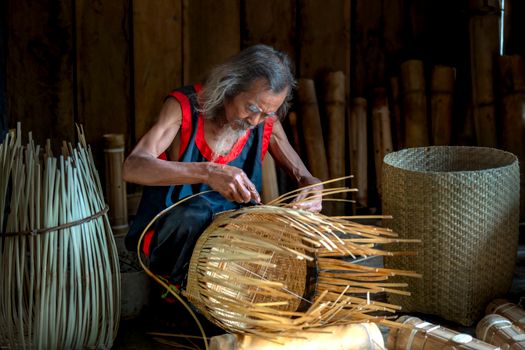
Basketry is one of humanity’s oldest crafts, with roots stretching back thousands of years across every inhabited continent. In the Americas, basket weaving evolved into a stunning diversity of techniques, each shaped by the unique landscapes, materials, and cultures in which it developed. From the lush forests of the Pacific Northwest to the arid deserts of the Southwest, basketry is a living art form and an enduring symbol of regional identity. This article explores the most famous basketry techniques from various American regions, highlighting their origins, characteristics, and cultural significance.
The Roots of American Basketry: A Regional Overview
The Americas are home to hundreds of distinct Indigenous nations, each with their own basketry traditions. These traditions reflect the environment: the choice of plant materials, weaving methods, and basket shapes all evolved in response to local needs and resources. For example, the willow-rich valleys of California led to different techniques than the pine-forested Southeast or the grasslands of the Midwest.
Archaeological evidence shows basketry in the Americas dates back at least 8,000 years. Some of the oldest known baskets, found in Nevada’s Lovelock Cave, are over 2,000 years old. Today, collectors and historians recognize certain regional styles as both functional craft and fine art. Let’s look closer at the most iconic basketry techniques from four major regions: the Pacific Northwest, the Southwest, California, and the Southeast.
Coiling, Twining, and Plaiting: Defining Techniques Across Regions
Three primary weaving techniques dominate American basketry: coiling, twining, and plaiting. Each method produces distinctive textures and patterns, and different regions often favor one over the others depending on available materials and cultural traditions.
- Coiling involves spiraling bundles of plant material (the “core”) and stitching them together with a flexible “sewing” material. It creates strong, often watertight baskets, ideal for carrying or storing food. - Twining uses pairs of flexible weavers that wrap around upright spokes. This technique is versatile, allowing for the creation of both openwork and tight, decorative baskets. - Plaiting is a form of weaving where flat materials are interlaced at right angles, much like a simple over-under pattern on a mat.Here’s a comparative overview of these techniques:
| Technique | Regions Most Famous For | Common Materials | Typical Uses |
|---|---|---|---|
| Coiling | Southwest, California | Yucca, willow, sumac, grasses | Storage, water jars, ceremonial |
| Twining | Pacific Northwest, California | Cedar bark, spruce roots, reeds | Cooking baskets, hats, fish traps |
| Plaiting | Southeast, Midwest | Cane, rivercane, swamp ash, oak | Market baskets, mats, trays |
Pacific Northwest: Twined Cedar and Spruce Root Baskets
The lush rainforests of the Pacific Northwest, stretching from northern California to Alaska, are home to some of the most intricate basketry in the Americas. Indigenous groups such as the Tlingit, Haida, and Makah are especially renowned for their twined baskets, hats, and containers.
The primary materials are red and yellow cedar bark and spruce roots, both abundant and durable. Basketmakers harvest cedar bark in spring and summer, then carefully split, process, and dye it for weaving. Spruce roots, prized for their flexibility, are used to create watertight baskets ideal for gathering berries or carrying water.
One of the most distinctive regional forms is the Tlingit berry basket, which uses a false embroidery technique to create intricate geometric patterns. Another is the distinctive hats worn by Haida and Tlingit dancers, woven in tight twining and often adorned with painted crests. These baskets and hats are more than utilitarian objects—they are symbols of family lineage, status, and artistry.
According to the Burke Museum in Seattle, a single traditional twined hat can require over 100 hours of labor and more than 50 feet of cedar bark. Today, Pacific Northwest basketry is highly collectible, with antique pieces fetching thousands of dollars at auction.
Southwest: Coiled Baskets of the Hopi, Apache, and Pima
In the arid American Southwest, Indigenous basketmakers have mastered the art of coiling to create durable, beautiful works. The Hopi, Apache, and Pima (Akimel O’odham) are among the most famous, each with unique styles.
The Hopi are particularly known for their ceremonial plaques and sifter baskets, made from yucca and sumac. These baskets often feature stylized designs representing clouds, rain, or fertility—vital themes in a desert landscape. Hopi coiled plaques, used in rituals and as gifts, can be as large as 24 inches in diameter.
The Apache, meanwhile, are renowned for their coiled burden baskets, traditionally used for gathering food or carrying firewood. These baskets are notable for their size (some over 2 feet tall), conical shape, and decorative leather fringe.
The Pima, living along Arizona’s Gila and Salt Rivers, developed a distinctive style of tightly coiled baskets. They use willow for the core and devil’s claw or cattail for the sewing, creating bold geometric patterns. According to the Heard Museum, a traditional Pima basket can take several months to complete.
California: The Pinnacle of Basketry Artistry
California is often considered the epicenter of basketry artistry in North America. The state’s Indigenous nations—including the Pomo, Miwok, and Yokuts—developed some of the finest and most varied basketry anywhere in the world.
The Pomo people are especially celebrated for their miniature treasure baskets, some as small as half an inch across. These baskets, often adorned with feathers, shells, and beads, were made as gifts or for trade. Other California tribes, such as the Chumash and Cahuilla, create large coiled storage baskets, as well as tightly twined cooking baskets that can be used to boil food using hot stones.
A remarkable fact: in the late 19th and early 20th centuries, California baskets were so prized that collectors paid as much as $100 for a single Pomo feathered basket—equivalent to about $3,000 today.
California basketry is distinguished by its use of multiple techniques in a single piece. It’s not uncommon to see coiling, twining, and plaiting all combined for structural and decorative effect. The region’s rich plant life—willow, sedge root, redbud, and more—provides a wide palette of natural colors.
Southeastern Splendor: Plaited Rivercane and Ash Baskets
The humid river valleys and forests of the Southeastern United States gave rise to a distinctive tradition of plaited baskets, especially among the Cherokee, Choctaw, and Creek peoples.
Rivercane, a native bamboo species, is the classic material here. Basketmakers split the cane into thin strips, then dye and weave them into strong, flexible baskets with striking color contrasts. The double-weave technique, in which two layers are woven simultaneously for extra strength and patterning, is a particular hallmark of Cherokee basketry.
In the Northeast and Midwest, basketmakers often use black ash or white oak splints, pounding the wood into thin, flexible strips. These are woven into sturdy market baskets, pack baskets, and fishing creels.
The scale of production was impressive: by the mid-19th century, the Cherokee were selling thousands of baskets annually to settlers and traders. Today, the revival of rivercane basketry is a point of cultural pride and ecological restoration, as rivercane habitats are now endangered.
The Enduring Significance of Regional Basketry Techniques
Basketry in the Americas is not just an artifact of the past—it is a living, evolving tradition. Across all regions, Indigenous and local artists continue to innovate, blending ancient techniques with new materials and designs. Regional basketry workshops, museum exhibitions, and even fashion collaborations help keep these skills alive and relevant.
It’s important to note that basketry is more than a craft; it embodies cultural values, environmental knowledge, and community ties. The process of gathering, preparing, and weaving materials is often a communal activity, passed down through generations. For many Indigenous communities, basketry is a form of resilience, cultural revival, and economic opportunity.
Recent studies show that the market for traditional and contemporary American baskets has grown by 15% in the last decade, with collectors and museums seeking both antique and modern works. This renewed interest helps support Indigenous artisans and preserves vital ecological knowledge about native plants.