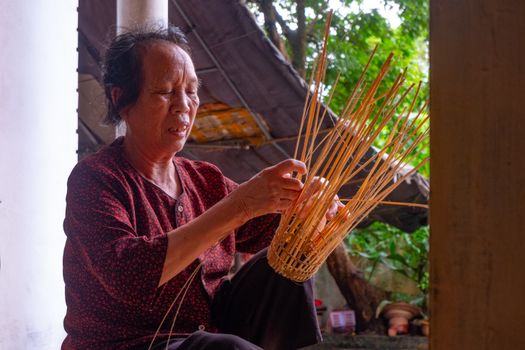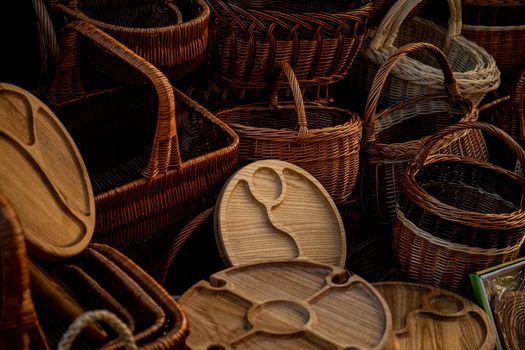
Basket weaving has long been cherished as both a practical craft and a creative outlet. In today’s eco-conscious world, the art of basket-making is being reimagined through the lens of sustainability. Instead of relying on newly purchased materials, a growing number of crafters are turning to recycled items to create beautiful, functional baskets. Whether you want to reduce your environmental footprint, save money, or simply enjoy a creative challenge, making a DIY basket from recycled materials is an accessible and rewarding project.
This step-by-step guide will walk you through the process, from choosing the right materials to adding those final decorative touches. Along the way, you’ll find practical tips, useful comparisons, and plenty of inspiration to help you craft a unique basket with a story to tell.
Why Make Baskets from Recycled Materials?
Basketry has always been about resourcefulness—transforming simple items into something both useful and beautiful. In recent years, the environmental benefits of using recycled materials have become increasingly clear. According to the EPA, Americans generated about 292.4 million tons of municipal solid waste in 2018, with only 32.1% recycled. By reusing materials that might otherwise end up in landfills, home crafters play a direct role in reducing waste.
Making DIY baskets from recycled materials offers several benefits:
- $1: Every basket you make from recycled goods keeps items out of the waste stream. - $1: Using what you already have means you can create baskets for little to no cost. - $1: Each recycled material brings a unique texture and look, allowing for truly one-of-a-kind creations. - $1: Working with unconventional materials can sharpen your problem-solving and crafting skills.The result? A unique, functional piece that’s as good for the planet as it is for your home.
Choosing the Right Recycled Materials for Your Basket
One of the joys of recycled basketry is the sheer variety of materials available. The best material for your basket depends on what you have on hand and the desired look and function of your finished piece. Here are some popular options, along with their pros and cons:
| Material | Pros | Cons | Best For |
|---|---|---|---|
| Old Newspapers | Abundant, flexible, easy to shape | May require sealing for durability | Decorative or lightweight baskets |
| Plastic Bags | Water-resistant, strong, colorful | Can be slippery, tricky to weave | Outdoor or bathroom baskets |
| Cardboard Strips | Sturdy, easy to cut, holds shape | Less flexible, can break if bent sharply | Storage baskets |
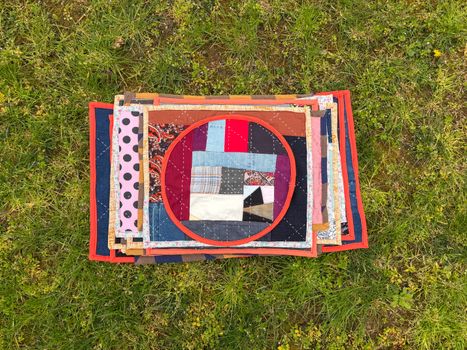
| Fabric Scraps | Soft, colorful, versatile | Not as rigid, may fray | Decorative or gift baskets |
| Magazine Pages | Colorful, glossy finish | Can be slippery, less durable | Accent or decorative baskets |
| Twine or Yarn Remnants | Flexible, easy to work with | May stretch, less structural support | Small or accent baskets |
Tip: Don’t be afraid to combine materials! A cardboard base with woven fabric sides, for example, can offer both strength and style.
Tools and Preparation: Getting Ready to Weave
While the materials might be unconventional, you’ll still need some basic tools to make your DIY recycled basket. Here’s a checklist of what you’ll need:
- $1 or a craft knife for cutting materials - $1 or measuring tape for consistent strips - $1 to hold pieces in place as you work - $1 (white craft glue or hot glue) for securing ends and finishing touches - $1 (if you plan to seal with glue or varnish) - $1 (optional, for threading fabric or twine)Before starting, prepare your materials:
- For newspapers or magazines: Roll pages into tight tubes, then flatten for weaving. You’ll need 20-40 tubes for a medium basket. - For plastic bags: Cut bags into strips about 1-2 inches wide, then knot or braid as needed. - For cardboard: Use a ruler to cut even strips; for a basket 8 inches wide, plan on at least 12-14 strips. - For fabric: Tear or cut strips 1-2 inches wide. If fraying is an issue, fold edges or use pinking shears.Preparation is crucial. Taking extra time to cut and organize your materials results in a more polished final product.
Step-by-Step: Weaving Your DIY Recycled Basket
Ready to get started? The following general steps apply to most recycled-material baskets, but feel free to adapt as needed.
1. $1 - For round baskets: Arrange 6-8 strips (newspaper tubes, cardboard, or plastic) in a star shape. Secure the center with glue. - For rectangular baskets: Lay out strips side by side, then weave perpendicular strips through, alternating over and under. Secure corners with glue or clips. 2. $1 - Take a long strip or tube and start weaving in and out of the upright base pieces (known as “spokes”). - Continue around the basket, gently pushing each new row close to the previous one for a tight weave. - As you reach the end of a strip, glue it down and overlap with a new strip for continuity. 3. $1 - Keep weaving, adding strips as needed. For a medium basket, aim for 6-8 rows for sides about 4-6 inches tall. - Shape the basket as you go—press inward for a tapered look, or keep straight for a boxy shape. 4. $1 - Once you reach the desired height, fold the upright spokes over the rim and tuck them into the weave, securing with glue. - For a cleaner finish, you can glue a separate strip around the top as a decorative rim. 5. $1 - Braid or twist leftover strips or tubes. Attach to opposite sides with glue, knots, or by weaving into the structure. 6. $1 - For newspaper or magazine baskets, brush a layer of diluted white glue (3 parts glue to 1 part water) over the surface for strength and shine. - Add paint, ribbons, or fabric for extra flair.Each step is an opportunity to get creative. Don’t worry about perfection—handmade baskets have a charm all their own!
Creative Ideas and Customization for Your Recycled Basket
The beauty of DIY baskets lies in their versatility. Here are a few ideas to help your project stand out:
- $1: Use magazine pages or fabric strips in coordinated hues for a trendy, modern look. - $1: Fill your basket with homemade treats or bath products and give it as a sustainable gift. - $1: Add a looped handle for easy wall or door hanging—perfect for storing keys, mail, or plants. - $1: Use plastic bags or sturdy cardboard sealed with waterproof glue for garden tool baskets. - $1: Let children decorate their own baskets with stickers, paint, or fabric scraps.Globally, people have been using recycled materials for basketry for centuries. For example, in parts of Africa, baskets are often woven from strips of discarded plastic, creating products that are both vibrant and durable. In 2022, an estimated 12% of all baskets sold at artisan markets in Kenya were made from upcycled materials.
Eco-Impact: The Difference You Make with Recycled Basketry
Beyond personal satisfaction, crafting from recycled materials can have a measurable environmental impact. For example:
- A single recycled newspaper basket can repurpose up to 20 full newspaper sheets. - Using plastic bags saves an average of 15-20 bags per medium basket—considering Americans use 100 billion plastic bags each year, this adds up! - Reusing cardboard diverts material from the 67 million tons of paper and cardboard waste generated annually in the U.S.Moreover, handmade baskets are less likely to be thrown away than mass-produced storage bins, especially when they hold sentimental or decorative value. By choosing recycled basketry, you’re not just making art—you’re making a statement about sustainability.
Lasting Value: Why DIY Recycled Baskets are Worth the Effort
Creating your own DIY basket from recycled materials is more than just a fun weekend project. It’s a way to exercise your creativity, save money, and make a tangible difference for the environment. Each basket tells a story—of resourcefulness, sustainability, and personal flair. Whether you’re looking for stylish home storage, a unique gift, or a new hobby, DIY recycled basketry delivers lasting value on every level.
So next time you eye a stack of old magazines or a pile of plastic bags, remember: with a little time and imagination, you can transform them into something beautiful and useful. Happy weaving!