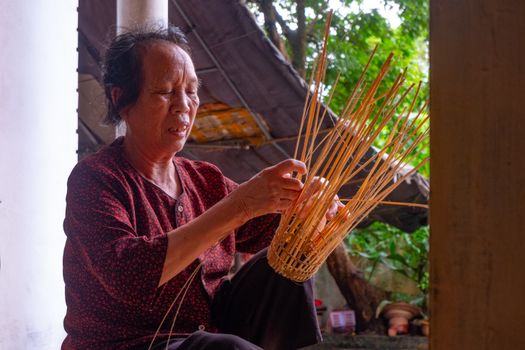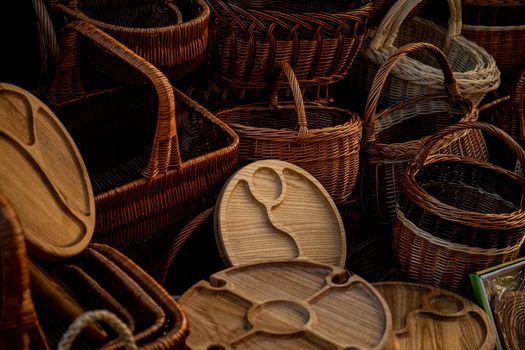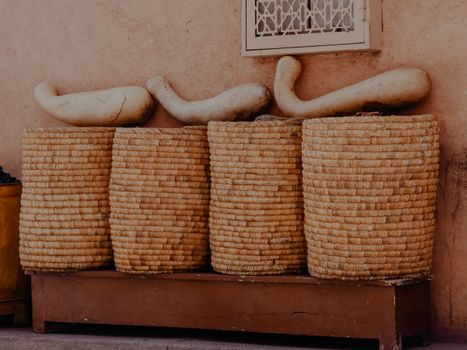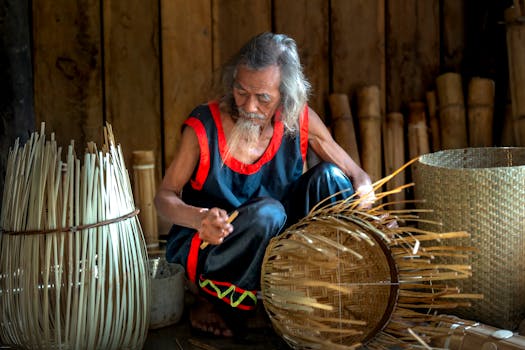
The world of basketry is as diverse as the cultures that create these remarkable works of art. From intricate African coil baskets to the ornate splint-weave baskets of Southeast Asia, traditional basket-making is a living testament to human ingenuity, cultural identity, and natural resourcefulness. But how can you, as a curious enthusiast or collector, learn to truly recognize and appreciate the unique qualities of traditional basketry from around the globe? This article will guide you through the subtle details, histories, and artistry that make each region’s basketry unique—and help you develop a discerning eye for authenticity and cultural significance.
The Global Language of Basketry: Why Every Region’s Baskets Are Unique
No two baskets are exactly alike, and no two cultures weave them in the same way. Basketry is shaped by a blend of geography, materials, function, and tradition. For example, the willow baskets of Europe evolved in regions rich in flexible willow branches, while the tightly coiled baskets of Botswana reflect the arid environments and the use of palm leaves and reeds.
It’s estimated that over 3,000 distinct basketry traditions exist worldwide, each with its own patterns, motifs, and weaving techniques. These differences aren’t just aesthetic—they carry stories, beliefs, and practical solutions to environmental challenges. For instance, Japanese bamboo baskets, known as "Ikebana," are designed for the artful arrangement of flowers and reflect centuries-old Zen philosophies.
Recognizing uniqueness in basketry begins by appreciating these cultural contexts and understanding how necessity, environment, and creativity have intertwined to produce such variety.
Decoding Weaving Techniques: The Signature of Basket Makers
To the untrained eye, two baskets may look similar, but their construction can reveal much about their origins. The three most common traditional basketry techniques are:
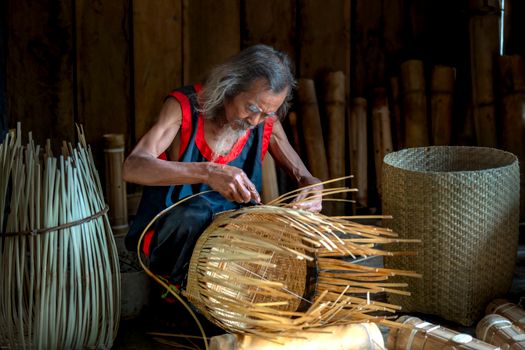
1. Coil Weaving: Used in North Africa, the American Southwest, and parts of Asia, this involves wrapping a bundle of fibers and stitching it in a spiral. Navajo and Hopi baskets, for example, use this method to create sturdy, symbolic pieces. 2. Plaiting: Common in Southeast Asia and Oceania, plaiting involves weaving flat materials over and under each other to create checkerboard patterns. Filipino "bayong" market baskets are a renowned example. 3. Twining: Practiced in China, parts of Africa, and among the Pacific Northwest tribes, twining uses two or more weft fibers twisted around the warp. This allows for colorful patterns and added flexibility.Each technique leaves telltale marks. Coil baskets often reveal spiral stitches on the base, plaited baskets have flat, checkerboard-like surfaces, and twined baskets display diagonal or vertical ribbing. By examining these details, you can often identify not only the region but sometimes even the community or individual artist behind the work.
Materials and Motifs: Nature and Symbolism Intertwined
Traditional basketry is deeply rooted in local ecology. Makers use what’s available: sweetgrass in the Carolinas, bamboo in Japan, rattan in Indonesia, or palm in Kenya. The choice of materials affects not just appearance, but durability, flexibility, and even scent.
Patterns and motifs are equally telling. African Zulu baskets often feature geometric designs symbolizing life stages or spiritual beliefs; in contrast, Native Alaskan baskets might incorporate images of salmon or whales, reflecting the importance of these animals to local communities.
Here’s a comparative overview of materials and motifs in major basketry traditions:
| Region | Primary Materials | Common Motifs/Patterns | Typical Use |
|---|---|---|---|
| West Africa | Palm leaves, grasses | Geometric, zigzags, spirals | Storage, ceremonies |
| Japan | Bamboo, reeds | Minimalist, nature-inspired | Flower arranging (Ikebana), tea ceremonies |
| Native American Southwest | Willow, yucca, sumac | Animal, spiritual symbols | Storage, storytelling, rituals |
| Southeast Asia | Rattan, pandanus, palm | Checkerboard, diamond | Market baskets, fish traps |
| Northern Europe | Willow, birch, hazel | Simple, utilitarian | Harvest, laundry, gathering |
By learning to identify these materials and motifs, you gain insight into both the environment and the values of the people who made the basket.
Spotting Authenticity: Handcrafted vs. Mass-Produced Basketry
In today’s global market, traditional-style baskets are often mass-produced and sold as authentic, which can make recognizing genuine craftsmanship a challenge. A key to true appreciation is learning to distinguish handcrafted works from factory-made imitations.
Handmade baskets usually feature:
- Irregularities: Slight variations in size, color, and weave are normal and even desirable, as they point to human craftsmanship. - Local materials: Authentic baskets are made from region-specific fibers, often with unique textures or subtle scents. - Maker’s marks: In some cultures, artists weave a signature pattern or symbol into the basket, or use a specific knot at the base.In contrast, mass-produced baskets tend to be uniform, sometimes use synthetic materials, and lack the subtle details of handmade items. According to the World Crafts Council, over 60% of "traditional" baskets sold in major tourist markets are factory-made, making education and awareness crucial for ethical collecting.
If possible, buy directly from artisans or reputable cooperatives. Not only does this support traditional skills, but it also ensures you’re acquiring a piece with genuine cultural and artistic value.
Cultural Stories Woven Into Every Basket
Perhaps the most compelling reason to learn about traditional basketry is the wealth of stories each piece embodies. For many cultures, baskets are more than utilitarian objects; they are carriers of heritage, identity, and even spiritual protection.
For example, in Tonga, finely woven "kato alu" baskets are gifted at weddings and funerals, signifying community ties and respect. In the Amazon, baskets are used in rituals to communicate with ancestral spirits. The patterns and colors chosen often have layered meanings—red might symbolize life and fertility, while black could denote protection or mourning.
Researchers have found that some basket patterns in the Philippines date back over 1,000 years, passed down through generations as part of oral tradition. Recognizing these stories adds another dimension to your appreciation, transforming a simple object into a living piece of world heritage.
Building Your Eye: How to Learn and Appreciate More Deeply
Appreciating basketry is a journey. Here are practical steps to deepen your understanding and enjoyment:
1. Visit Museums and Exhibitions: Institutions like the Smithsonian National Museum of the American Indian or the Museum of International Folk Art offer world-class collections, often with detailed explanations of technique and meaning. 2. Attend Workshops: Learning basic weaving skills gives you first-hand appreciation for the labor, patience, and creativity involved. 3. Read Books and Watch Documentaries: Authoritative works such as "The Basketmaker’s Art" by Robyn Horn or the BBC’s “Handmade: On the Edge” series provide valuable context. 4. Connect with Artisans: Many traditional basket makers are eager to share their knowledge and passion. Supporting their work sustains traditions and builds cross-cultural understanding. 5. Start a Collection: Begin with a focus—such as a region, material, or motif—and document each piece’s story. Keep notes on provenance, maker, and significance.According to UNESCO, over 250 basketry traditions are officially recognized as intangible cultural heritage, making the field rich for exploration.
Final Thoughts on Recognizing and Appreciating Unique Traditional Basketry
Traditional basketry is far more than a craft—it’s a vibrant, living art form that connects us to nature, history, and the diverse creativity of humanity. By learning to recognize weaving techniques, materials, motifs, and authentic craftsmanship, you open yourself to a world of stories and connections that reach across continents and centuries. Whether you’re a collector, a casual admirer, or just beginning your journey, each basket you encounter offers a chance to celebrate both the shared and unique ways people have shaped their world through weaving.