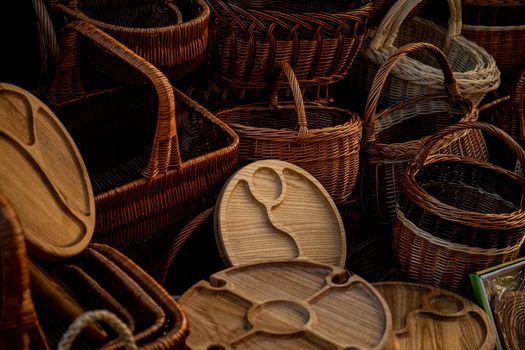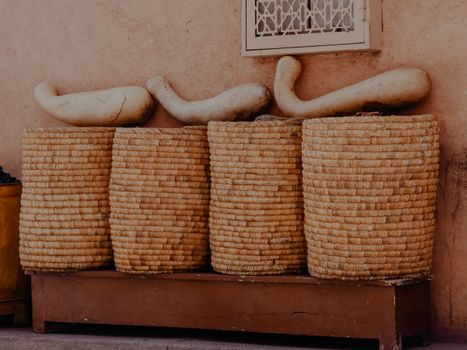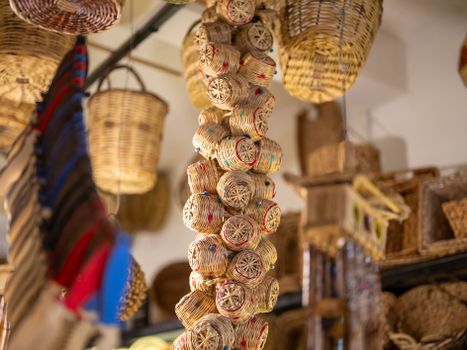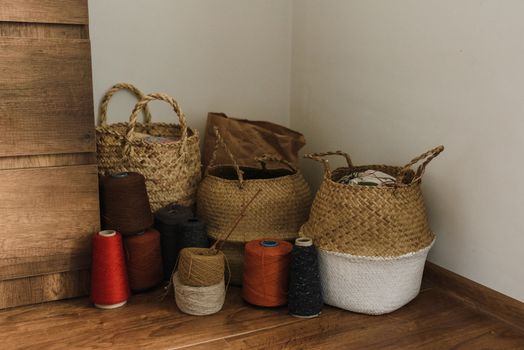
Caring for traditional baskets is more than a matter of aesthetics—it’s a way to preserve cultural heritage, ecological resources, and functional art. Whether you own a Shaker basket, a Native American coil basket, or a handwoven market basket from Africa, proper maintenance and repair will ensure these treasures last for generations. Unlike modern plastic containers, traditional baskets are crafted from organic materials like wood, grass, reeds, or bamboo, each with its own needs and vulnerabilities. This guide will walk you through the best tips for maintenance and repair of traditional baskets, with a focus on proactive care, smart repair strategies, and how to recognize when a professional’s hand is needed.
Understanding Traditional Basket Materials and Their Needs
Traditional baskets are made from a wide array of natural materials, and each type presents unique challenges for maintenance and repair. The most common materials include willow, rattan, reed, sweetgrass, pine needles, bamboo, and various types of wood splints. Each responds differently to moisture, sunlight, and handling.
For example, willow and reed are highly flexible when fresh but become brittle when dry. Sweetgrass and pine needles can be aromatic but lose oils over time, making them prone to cracking. Bamboo is strong but can split if exposed to extreme humidity changes.
A 2022 study by the American Craft Council found that over 70% of basket deterioration is due to environmental factors like humidity and light exposure, while only 12% result from physical handling or pests. Understanding your basket’s material is the first step to tailoring the right care and repair methods.
Essential Preventive Care: Cleaning, Storage, and Handling Tips
The foundation of basket longevity is preventive care. Small, regular actions can prevent the majority of common forms of damage.
1. $1 Dust your baskets regularly with a soft brush or a vacuum fitted with a brush attachment. Avoid water, as excessive moisture can warp, swell, or weaken fibers. For sticky spots, use a barely damp cloth and dry the area immediately. 2. $1 Store baskets in a dry, well-ventilated area, away from direct sunlight, heaters, or air conditioners. Sunlight fades colors and dries out natural fibers, while excessive humidity can foster mold. Ideal storage humidity is between 40-60%. If stacking is necessary, put lighter baskets on top and avoid crushing the rims. 3. $1 Always lift baskets by their base, not the rim or handle, to prevent stress and breakage. If the basket has a lid, lift the lid gently and avoid forcing it open if it’s stuck.For valuable or antique baskets, consider displaying them in glass-fronted cabinets to minimize dust accumulation and accidental handling.
Recognizing Common Basket Problems and Early Warning Signs
Early detection is the key to successful maintenance and repair. Here are some warning signs to watch for:
- $1 Look for fine cracks, especially on the rim or base. This often indicates the basket is too dry or has been handled roughly. - $1 Sun exposure or chemical cleaning can cause this. It often starts as uneven patches. - $1 Gaps or movement between the woven elements suggest the basket is drying out or the weave is losing tension. - $1 Black, green, or white spots, often with a musty odor, are signs of improper storage humidity. - $1 Tiny holes or sawdust-like residue can indicate insects such as powderpost beetles, especially in wooden baskets.Acting quickly when these signs appear is essential. For example, catching mold early allows for simple cleaning and increased ventilation, while advanced mold may require professional restoration.
Step-by-Step Guide to Basket Repair: From Minor Fixes to Structural Restoration
Many minor basket repairs can be tackled at home with patience and the right materials. Here’s how to address common issues:
1. $1 If you notice a section becoming loose, gently moisten the area with a damp cloth (but do not soak). Using a small awl or blunt needle, realign the weave. Once back in place, let it dry naturally away from direct heat. 2. $1 For a snapped reed or willow strand, cut a new piece of similar material slightly longer than needed. Soak it in warm water until pliable, then weave it into the damaged area, overlapping with undamaged strands for support. Secure the ends with archival glue if necessary. 3. $1 The rim is often the first part to wear. If the rim is split, wrap it with matching material (often willow or reed) to reinforce it. For significant breaks, use a thin wire core inside the wrapping for extra strength. 4. $1 Remove affected baskets from others. Wipe with a solution of equal parts white vinegar and water, then dry in a well-ventilated space. Avoid soaking, as this can cause further damage. 5. $1 Handles can often be rewoven or reinforced with new material. For very old or delicate baskets, consider using a transparent nylon thread for invisible reinforcement.Below is a comparison of common basket repair methods and their effectiveness:
| Repair Technique | Best For | Estimated Lifespan Extension | Skill Level |
|---|---|---|---|
| Reweaving loose fibers | Minor weave gaps | 3-5 years | Beginner |
| Rim reinforcement | Cracked or split rims | 5-10 years | Intermediate |
| Handle repair | Broken or weak handles | 5+ years | Intermediate |
| Mold cleaning | Surface mold | Prevents further damage | Beginner |
| Professional restoration | Severe structural damage | Decades | Expert |
Remember, always use materials that match the original basket as closely as possible. For historically significant pieces, archival-quality supplies are essential to prevent future deterioration.
When to Call a Professional: Assessing the Limits of DIY Repair
While many repairs are manageable at home, some situations call for an expert. According to the International Institute for Conservation, more than 60% of damaged baskets brought to museums for restoration suffered from well-intentioned but damaging home repairs.
Seek professional help if: - The basket is a valuable antique or has significant cultural value. - The damage involves large sections, intricate patterns, or rare materials. - There is extensive mold, pest damage, or structural collapse. - Previous repairs have failed or made the problem worse.Professional conservators can stabilize, restore, and in some cases, reconstruct severely damaged baskets using traditional methods and materials. They can also provide expert advice on ongoing care tailored to the basket’s origin and composition.
Innovative Techniques and Products for Modern Basket Care
The last decade has seen several innovations in basket maintenance and repair. For example, conservation-grade adhesives like Paraloid B-72 are now used in major museums for invisible, reversible repairs. UV-protective sprays, originally designed for textiles, are sometimes applied to baskets to prevent fading—though always test on a small area first.
Additionally, 3D scanning and digital modeling are becoming tools in the conservator’s arsenal, especially for documenting intricate weaves before and after intervention. This can be useful for family heirlooms, allowing future repairs to follow the original pattern.
Some modern products to consider: - $1 Acid-free and breathable, ideal for valuable baskets. - $1 Maintain consistent moisture levels in storage. - $1 Gentle on fragile surfaces.Always avoid harsh chemicals, oils, or commercial cleaners not specifically designed for organic fibers, as these can lead to irreversible damage.
Preserving History: The Joy and Responsibility of Basket Care
Traditional baskets are more than utilitarian objects—they tell stories of culture, craftsmanship, and identity. Their care is both an art and a science, balancing respect for tradition with practical preservation. By employing preventive care, recognizing early warning signs, mastering basic repairs, and knowing when to call in a professional, you can extend the life of these woven wonders for generations to come.
Whether your basket is a family heirloom or a market find, every act of maintenance is an act of stewardship. With the right care, traditional baskets can remain vibrant, functional, and beautiful long into the future.