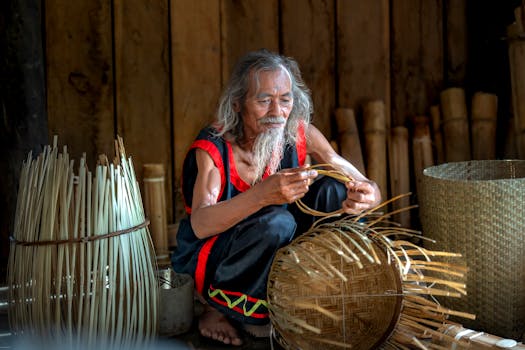
Designing and Creating Your Own Traditional Basket: Step by Step
Basket weaving is one of humanity’s oldest crafts, a practical art form that blends beauty and utility. Whether you’re drawn to the calming rhythm of weaving or the satisfaction of crafting something with your own hands, making a traditional basket offers a window into history and creativity. In this guide, we’ll take you step by step through the process of designing and creating your own traditional basket, from choosing materials to putting on the finishing touches. Whether you're a beginner or an enthusiast looking to deepen your skills, this comprehensive guide will help you create a basket that's uniquely yours.
The Enduring Appeal of Traditional Basket Making
Basketry dates back thousands of years and spans every continent. Archaeologists have found baskets over 10,000 years old in Egypt, and the oldest known baskets from the southwestern United States date back to 7000 BCE. What explains this enduring appeal? Baskets are versatile, sustainable, and deeply personal. Today, basket weaving is enjoying a renaissance, with hobbyists, artists, and eco-conscious makers rediscovering its meditative process and meaningful results.
Traditional baskets are not just functional; they are also reflections of cultural identity and personal expression. Every choice—from the type of weave to the patterns and materials—tells a story. When you design and create your own basket, you participate in a lineage that connects you to generations of artisans worldwide.
Choosing the Right Materials for Your Basket
The material you choose will shape your basket’s look, strength, and function. Traditionally, materials were selected based on local availability, but today, basket makers can choose from a wide range of natural and synthetic options. Here’s a comparison of some popular basketry materials:
| Material | Origin | Best For | Key Properties |
|---|---|---|---|
| Willow | Europe, North America | Sturdy, outdoor baskets | Flexible when wet, strong, classic look |
| Rattan | Southeast Asia | Furniture, decorative baskets | Lightweight, durable, smooth finish |
| Reed | Worldwide (wetlands) | Beginner projects, small containers | Easy to handle, affordable, pale color |
| Pine Needles | North America | Decorative, coiled baskets | Aromatic, fine texture, renewable |
| Raffia | Africa, Madagascar | Textured, colorful baskets | Soft, pliable, takes dye well |
| Sea Grass | Asia, coastal regions | Rugged, rustic baskets | Coarse, strong, earthy appearance |
For beginners, reed and willow are excellent choices—reed for its flexibility and ease of use, and willow for its strength and traditional appeal. If you’re interested in a more decorative basket, consider raffia or pine needles. Always soak natural materials before weaving to make them pliable.
Planning Your Basket Design: Shape, Size, and Function
Before you even soak your weaving material, take time to plan your design. Ask yourself:
- What will the basket be used for? (e.g., fruit bowl, storage, display) - What shape do you want? (round, oval, square, or freeform) - What size fits your needs? - Do you want a handle, lid, or decorative patterns?For example, a shallow, round basket is ideal for serving bread or displaying fruit, while a tall, oval basket with a handle is perfect for gathering flowers. Sketch your design on paper. Decide on the base shape, the number of spokes (the upright supports), and whether you want to incorporate color patterns or natural textures.
According to a 2021 Craft Industry Alliance survey, 68% of basket makers say they begin with a sketch or plan, which leads to higher satisfaction with the final product. Taking time to plan ensures your basket is both beautiful and functional.
Step-by-Step Guide to Weaving Your Own Traditional Basket
Let’s walk through the process of making a simple round reed basket—a great project for beginners and a foundation for more advanced designs.
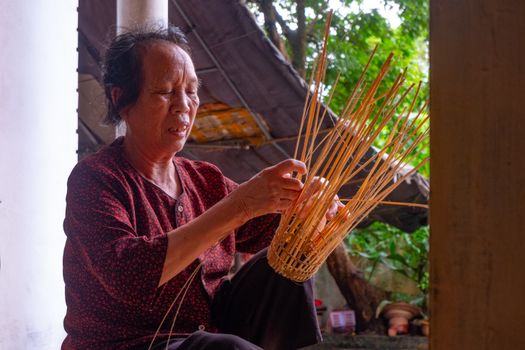
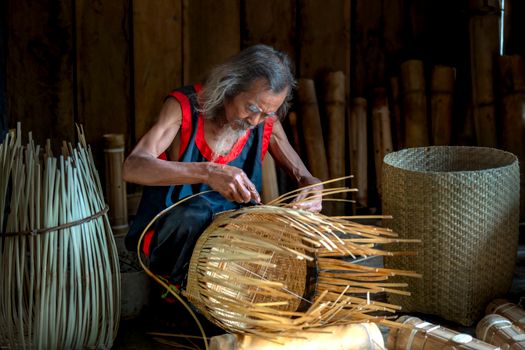
1. $1 - Reed (or your chosen material) - Scissors or pruning shears - Water basin (for soaking reed) - Awl or weaving needle - Clothespins or small clips to hold in place 2. $1 - Soak the reed in warm water for 15-30 minutes until flexible. - Cut 8-12 spokes for the base, each about 20-30% longer than your intended basket diameter. 3. $1 - Lay half the spokes flat, parallel to each other. - Weave the other half perpendicularly, over and under, to form a crosshatch. - Secure the center with a twist tie or clip. - Begin coiling a weaver (a thinner reed) around the spokes in a spiral, alternating over and under, and gently tightening as you go. - Continue until the base reaches your desired diameter. 4. $1 - Bend the spokes upward to form the basket’s walls. - Use clothespins to hold them in place. - Weave in and out around the upright spokes, pushing each row snugly down. - Experiment with patterns: try two rows of thin weavers for a “twined” look, or combine materials for color variation. 5. $1 - As you weave, gently shape the basket with your hands. - When you reach the desired height, trim the weavers neatly. - Tuck the ends of the spokes inside the weave or fold them over the rim for strength. - For a sturdy rim, braid or twist several strands together and secure with glue or by tucking into the weave. 6. $1 - For a handle, use two or three thick reeds twisted together. - Anchor the ends under the rim, weaving them securely for stability.A beginner can typically complete a small round basket in 2-4 hours. As your skills grow, you can experiment with larger sizes, more intricate designs, and different materials.
Tips for Personalizing and Decorating Your Basket
One of the joys of basket weaving is the ability to personalize your creation. Here are a few ways to make your basket truly unique:
- $1 Use naturally dyed reeds or add stripes with colored raffia. Vegetable dyes are a traditional, eco-friendly option. - $1 Combine willow and rattan, or add fabric strips for a modern twist. - $1 String beads onto the weaver as you go, or sew on shells for coastal flair. - $1 Vary your over-under sequence to create chevrons, spirals, or geometric motifs.A study by the National Basketry Organization found that 42% of contemporary basket makers regularly incorporate mixed media, reflecting a growing trend toward individualized artistry.
Common Challenges and How to Overcome Them
Basket making is rewarding, but newcomers may face a few hurdles. Here’s how to solve the most common problems:
- $1 Always soak your material thoroughly. If a spoke snaps, trim it and weave in a new piece. - $1 Work slowly and use both hands to gently mold the basket as you weave. Use a mold (such as a bowl) inside your basket for extra guidance. - $1 Push each row firmly down as you go. Keep tension even for a tight, sturdy result. - $1 Trim with sharp scissors and tuck ends into the weave. A dab of clear glue can also secure stubborn strands.Remember, practice is key. Even experienced weavers make mistakes, but each basket is a learning experience. Over time, your technique and confidence will grow.
Preserving and Using Your Handmade Basket
After completing your basket, a little care will ensure it lasts for years. Store your basket in a dry place away from direct sunlight to prevent fading and brittleness. Lightly dust it with a soft brush. For baskets used with food, line with a cloth or paper napkin to keep them clean.
If you plan to use your basket outdoors or for heavy loads, consider applying a natural beeswax finish for extra protection. Handmade baskets are ideal for organizing, serving, and decorating your home. Many crafters even sell their creations locally or online—an estimated 1.7 million handmade baskets were sold on platforms like Etsy in 2023 alone.
Bringing Your Basketry Vision to Life
Designing and creating your own traditional basket is more than a craft—it's a journey through heritage, creativity, and hands-on skill. By choosing the right materials, planning your design, and mastering basic weaving techniques, you can produce a basket that's both functional and beautiful. Don’t be afraid to experiment or make mistakes; each basket is a reflection of your personal style and learning process. With a bit of patience and imagination, you’ll find basketry to be a deeply rewarding pursuit that connects you with a global tradition and your own creative spirit.