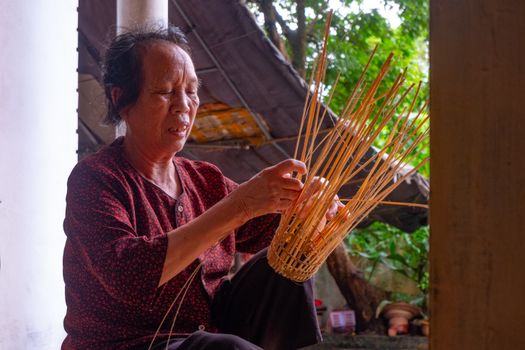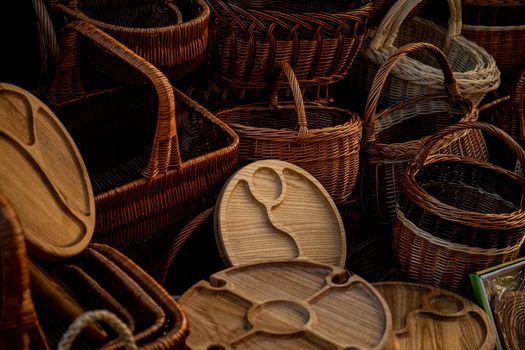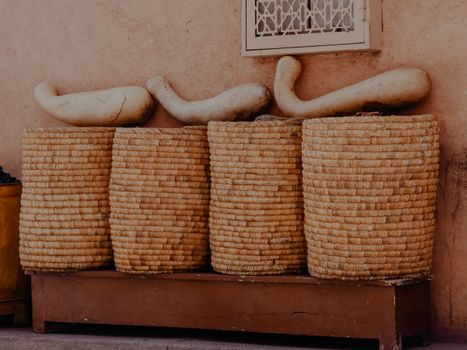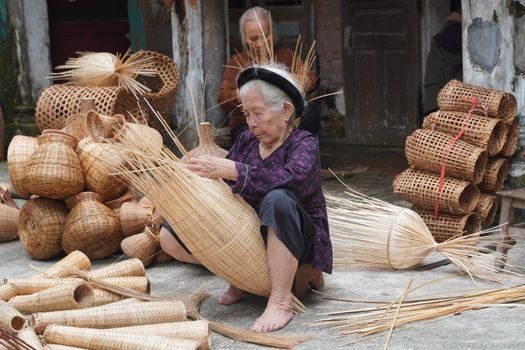
Traditional baskets are more than just functional objects; they are living pieces of cultural heritage, artistry, and history. Crafted from natural materials like reed, willow, bamboo, and sweetgrass, these baskets are often passed down through generations, each one telling a unique story. Ensuring the longevity of traditional baskets requires more than just careful handling—it involves understanding the materials, recognizing environmental risks, and implementing tailored care routines. Whether you own a family heirloom or a handmade market find, learning how to properly care for traditional baskets will preserve their beauty and integrity for years to come.
The Unique Vulnerabilities of Traditional Baskets
Traditional baskets are typically woven from organic plant fibers—materials that are inherently susceptible to environmental factors. According to the American Institute for Conservation, over 80% of basket deterioration is due to fluctuations in humidity and exposure to sunlight. Unlike plastic or metal containers, natural fibers can warp, crack, fade, or even become brittle if not properly cared for.
Common threats to traditional baskets include:
- $1 High humidity or direct contact with water can cause mold growth, leading to staining and fiber breakdown. - $1 Ultraviolet light fades dyes and weakens fibers, especially in baskets dyed with natural pigments. - $1 Insects such as silverfish and carpet beetles are attracted to organic materials and can cause irreparable damage. - $1 Overloading or improper storage can deform the basket’s shape or break delicate weaves.Understanding these vulnerabilities is the first step in effective care. By addressing these environmental threats, you can establish the foundation for a preservation routine that truly extends a basket’s life.
Cleaning Traditional Baskets: Gentle Methods for Delicate Weaves
Cleaning traditional baskets is a delicate process that should always prioritize the integrity of the fibers. Unlike synthetic containers, many woven baskets cannot withstand immersion in water or harsh cleaning agents. Here’s how to clean baskets safely:
1. $1 Use a soft-bristle brush, such as a paintbrush or toothbrush, to gently remove dust and debris from the basket’s surface and crevices. This method is ideal for most baskets and should be done every few months. 2. $1 For intricate weaves, use a vacuum cleaner with a brush attachment set to the lowest suction. Hold a piece of fine mesh (like pantyhose) over the nozzle to prevent accidental damage or the loss of loose parts. 3. $1 If stains are present, dampen a soft cloth with distilled water and gently blot the area. Avoid soaking the basket. For persistent stains, a very mild solution of pH-neutral soap and water can be used sparingly, always followed by thorough air drying. 4. $1 If mold appears, isolate the basket and gently brush off surface mold outdoors while wearing a mask. Avoid using strong chemicals; instead, increase air circulation and place the basket in indirect sunlight for a few hours, being careful not to overexpose it.Never use bleach, detergents, or submerge baskets in water, as this can weaken and distort the fibers. Proper cleaning not only maintains appearance but also prevents issues like pest infestation and mold growth.
Ideal Storage Conditions for Maximum Longevity
Storage is one of the most critical factors in basket preservation. According to a 2022 survey by the International Basketry Preservation Society, baskets stored in stable, climate-controlled environments were three times less likely to exhibit signs of deterioration over a decade compared to those kept in fluctuating conditions.
To maximize longevity, consider these storage best practices:
- $1 Maintain a stable environment with humidity levels between 40% and 55%. Use a hygrometer to monitor moisture, and employ dehumidifiers or humidifiers as needed. - $1 Keep baskets in cool, consistent temperatures—ideally between 60°F and 75°F (15°C to 24°C). - $1 Store baskets away from direct sunlight and fluorescent lighting. Use UV-filtering shades or store baskets in opaque containers. - $1 Ensure good ventilation to prevent mold and mildew. Avoid storing baskets in plastic bags or airtight containers, as trapped moisture can cause fiber decay. - $1 Store baskets upright or on their sides, never stacked or under heavy objects. Use acid-free tissue paper to cushion and support delicate shapes.Below is a comparison table summarizing optimal versus harmful storage conditions:
| Storage Factor | Optimal Condition | Harmful Condition |
|---|---|---|
| Humidity | 40-55% | Below 30% (brittle) or above 60% (mold risk) |
| Temperature | 60-75°F (15-24°C) | Above 80°F (accelerates decay) |
| Light | Indirect, UV-filtered | Direct sunlight or fluorescent |
| Air Circulation | Open, ventilated | Airtight or damp spaces |
| Position | Upright, supported | Stacked, compressed, or hanging by handles |
By controlling these variables, you can dramatically extend the life of your traditional baskets and prevent common forms of damage.
Handling and Display: Protecting Baskets in Everyday Use
How you interact with your baskets on a daily basis matters as much as storage and cleaning. Mishandling is a leading cause of accidental breakage, accounting for nearly 15% of all reported basket damage in private collections, according to a 2021 study by the Museum of Folk Art.
Here are essential tips for handling and displaying traditional baskets:
- $1 Always lift baskets by cradling the base with both hands. Avoid carrying by the rim or handles, which are often the weakest points. - $1 Never overload baskets, especially those with thin or decorative weaves. Exceeding their intended capacity can cause irreversible deformation. - $1 If baskets are displayed, rotate them periodically to minimize prolonged exposure to light and dust on one side. - $1 Place baskets on stable, level surfaces away from heat sources, radiators, or fireplaces. Use display stands or mounts designed for baskets to provide additional support. - $1 Keep valuable or fragile baskets out of reach of curious hands and playful pets.If you use baskets for their intended function, be mindful of what you carry in them and clean them gently after use. For baskets displayed in homes or galleries, consider using a glass-fronted cabinet or display case for extra protection.
Special Considerations for Antique and Culturally Significant Baskets
Baskets with historical or cultural significance—such as Native American, African, or Asian traditional works—require even greater care. According to the Smithsonian Institution, improper restoration attempts and uninformed cleaning are leading causes of value loss in heritage baskets. Here’s how to care for these treasures:
- $1 Before attempting any repairs or restoration, consult a professional conservator with experience in ethnographic or historical baskets. - $1 Photograph and document your basket’s condition annually. Note any changes, such as new cracks, color fading, or signs of pest activity. - $1 Never use household glues or tapes to repair broken weaves. Many modern adhesives can cause long-term damage to natural fibers. - $1 Do not attempt to re-dye or re-lacquer antique baskets, as this can diminish cultural and monetary value. - $1 Use clean, dry hands or cotton gloves when touching old or fragile baskets to prevent oil and dirt transfer.Preserving the authenticity of antique baskets protects their legacy and ensures they remain valuable artifacts for future generations.
Sustainable Maintenance: Preventive Care and Periodic Checks
Proactive, sustainable maintenance is the secret to keeping traditional baskets in prime condition. Rather than reacting to damage, periodic checks and preventive routines can identify issues before they become irreversible.
- $1 Every six months, inspect your baskets for signs of wear: fraying, splitting, mold, or insect presence. Early detection can halt deterioration. - $1 Place natural repellents, such as sachets of dried lavender or cedar chips, in storage areas to deter common pests. Avoid chemical insecticides, which can harm fibers. - $1 Adjust humidity controls during seasonal weather changes to prevent rapid expansion or contraction of fibers. - $1 Maintain a simple log of cleaning, inspections, and any minor repairs. This record helps track changes over time and is invaluable if you ever consult a conservator.For collectors or owners of multiple baskets, organizing a routine maintenance schedule—much like caring for fine furniture or textiles—will pay long-term dividends.
Preserving the Beauty and Utility of Traditional Baskets
Properly caring for traditional baskets is a blend of respect for craft and practical stewardship. By understanding their vulnerabilities, practicing gentle cleaning, ensuring optimal storage, and handling with care, you can preserve both the beauty and utility of these woven treasures. Whether your baskets are everyday tools, artistic collectibles, or cultural heirlooms, thoughtful maintenance will ensure they endure for generations, carrying forward stories as vibrant as their woven patterns.