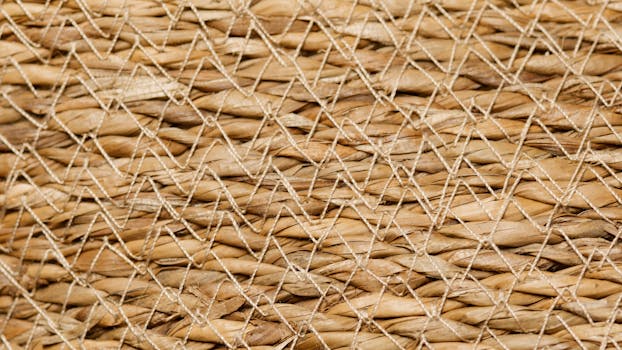
The Use of Natural Materials in Traditional American Baskets
Basket weaving has long been an essential craft in American history, blending artistry, functionality, and ecological awareness. One of the most defining aspects of traditional American baskets is the use of natural materials—local plants, woods, and fibers that connect the maker to their environment. This article explores the fascinating world of natural materials in traditional American baskets, highlighting how indigenous and settler communities across the country carefully selected, harvested, and transformed natural resources into beautiful and useful objects. Through this lens, we gain insight into regional diversity, sustainable practices, and the enduring legacy of basketry as both art and necessity.
The Importance of Natural Materials in Basketry
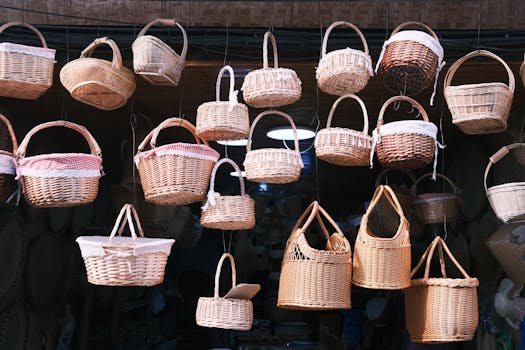
Natural materials are at the very heart of traditional American basket making. Unlike modern synthetic alternatives, natural fibers offer unique textures, colors, and strengths that have influenced basket designs for centuries. Early basket makers were intimately connected to their environments, possessing deep knowledge of local plants and their properties. This relationship helped shape regional styles, from the sturdy split-oak baskets of the Appalachian Mountains to the delicately coiled pine needle baskets of the Southeast.
Materials were chosen not just for their availability, but for their suitability to a basket’s intended use—whether for gathering, storage, fishing, or ceremonial purposes. For example, a fishing creel demanded waterproof, flexible materials, while a grain storage basket required strength and breathability. The careful selection and preparation of natural materials ensured each basket’s functionality and longevity, and this knowledge was passed down through generations.
Regional Diversity: Materials Across America
The United States encompasses diverse climates and ecosystems, each offering distinct basket-making resources. Native American tribes and later settlers developed regional traditions based on the natural materials available to them. Below is a comparative overview of key materials used in various regions:
| Region | Common Natural Materials | Example Basket Types |
|---|---|---|
| Northeast (Iroquois, Wabanaki) | Black ash, sweetgrass | Pack baskets, ceremonial baskets |
| Southeast (Cherokee, Seminole) | River cane, white oak, pine needles | Double-weave baskets, coiled pine baskets |
| Southwest (Hopi, Navajo, Apache) | Yucca, willow, sumac, devil’s claw | Coiled trays, burden baskets |
| Pacific Northwest (Tlingit, Salish) | Cedar bark, spruce roots, beargrass | Twine baskets, berry baskets, hats |
| Appalachians (Shaker, Appalachian settlers) | White oak, hickory, honeysuckle vine | Egg baskets, split-oak market baskets |
This diversity underscores how natural materials not only shaped basket design but also reflected the identity, needs, and traditions of each region.
Harvesting and Preparing Basketry Materials
The process of gathering and preparing natural materials for basketry is an art in itself. Timing and technique are crucial to ensure the quality and longevity of the raw materials. In many Native American traditions, harvesting is done with great respect and often accompanied by rituals or offerings to honor the plant’s spirit.
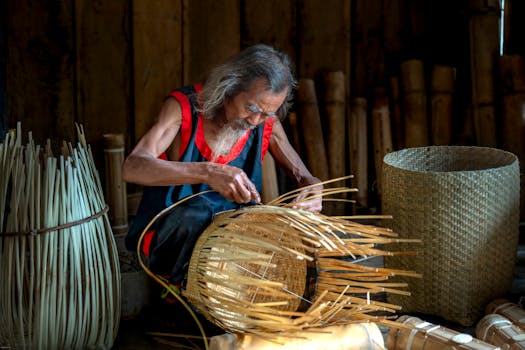
For example, black ash trees, prized by Northeastern tribes for their pliable growth rings, are best harvested in spring or early summer when the sap is running. The logs are pounded to separate growth layers, which are then split into thin strips. Pine needles used in Southeastern coiled baskets are collected after they fall naturally, ensuring they are long, flexible, and free of resin. River cane is cut at precise stages of maturity to guarantee strength and flexibility for weaving.
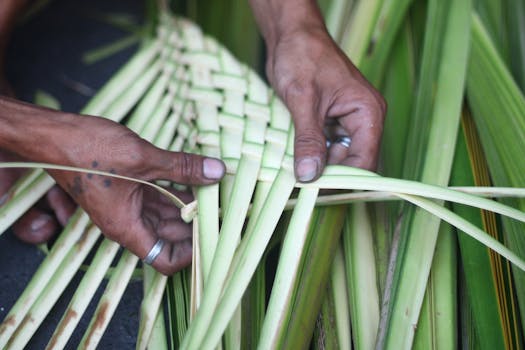
Preparation is equally important. Strips must be soaked, split, shaved, or dried depending on the material and desired effect. Sweetgrass is often dried and then moistened before weaving to release its fragrance and make it supple. Cedar bark from the Pacific Northwest is carefully peeled and softened through boiling or soaking.
Advantages of Using Natural Materials
The use of natural materials in basketry offers numerous advantages, both practical and ecological. First and foremost, these materials are biodegradable and renewable, making them an environmentally friendly choice—especially important in today’s world of increasing plastic waste. According to a 2023 report by the Environmental Protection Agency (EPA), over 36 million tons of plastic waste are generated annually in the United States, with only 9% being recycled. In contrast, traditional baskets made from plant fibers return harmlessly to the earth at the end of their useful lives.
Natural materials also retain unique qualities that synthetic alternatives cannot replicate. The subtle aroma of sweetgrass or cedar, the warmth of hand-peeled willow, and the intricate grain of split oak all contribute to the sensory appeal of handmade baskets. Additionally, using locally sourced materials supports the preservation of traditional ecological knowledge and fosters a deeper connection to the land.
From a structural perspective, natural fibers like white oak and hickory offer remarkable strength and flexibility. Indigenous basket makers have demonstrated that when properly harvested and prepared, these materials can result in baskets that last for generations. Some 19th-century Appalachian egg baskets and Native American burden baskets have survived over 100 years in museum collections, testifying to the enduring quality of natural materials.
Symbolism and Cultural Significance
Beyond utility, the choice of natural materials in traditional American baskets often carries deep symbolic meaning. For many Native American tribes, certain plants are considered sacred or closely tied to their identity. The Wabanaki of Maine, for example, view black ash and sweetgrass as gifts from the Creator, woven into baskets for both daily use and ceremonial exchange.
Materials such as river cane and pine needles are more than just fibers—they represent a direct link to the land and ancestral knowledge. The act of harvesting and weaving is imbued with cultural significance, often involving communal gatherings or seasonal celebrations. Baskets themselves frequently become objects of storytelling, with patterns and materials chosen to convey clan affiliations, family histories, or spiritual beliefs.
In some traditions, the plant used in a basket may even dictate its function. For example, Hopi coiled plaques woven from yucca and sumac are used in rituals to celebrate the harvest or mark life transitions. The selection and respectful use of natural materials reinforce a worldview that values harmony with nature and stewardship of resources.
Preservation and Modern Challenges
While traditional American basketry has endured for centuries, the use of natural materials now faces significant challenges. Urbanization, habitat loss, and climate change threaten the availability of key basketry plants. According to the U.S. Forest Service, populations of black ash have declined by over 40% in the past 20 years due to the invasive emerald ash borer. Similarly, overharvesting and land development have reduced the abundance of river cane in the Southeast to just 2% of its historic range.
To address these threats, contemporary basket makers and cultural preservationists are advocating for sustainable harvesting practices and habitat restoration. Some tribes have established programs to replant sweetgrass and black ash, while others are experimenting with alternative fibers to adapt to changing environmental conditions. Museums and educational organizations also play a vital role in documenting traditional techniques and raising awareness about the importance of natural materials.
Despite these challenges, the resilience of traditional basketry endures. New generations are learning to identify, harvest, and weave with natural materials, ensuring that this ancient craft—rooted in respect for the land—remains a living tradition.
Conclusion
The use of natural materials in traditional American baskets is far more than a matter of practicality; it is a testament to the resourcefulness, artistry, and ecological wisdom of basket makers across centuries. From the forests of the Northeast to the deserts of the Southwest, the careful selection and transformation of local plants into functional art reveal a deep connection to place and culture. As environmental challenges mount, the knowledge and practices surrounding natural basketry materials are more valuable than ever, offering lessons in sustainability, heritage, and respect for the natural world.