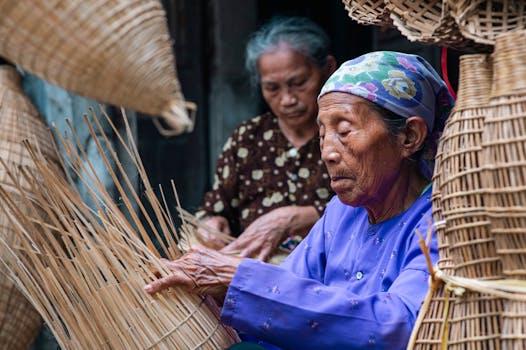
Caring for Tradition: A Comprehensive Guide to Maintenance and Longevity of Traditional Baskets
Traditional baskets are more than just utilitarian objects—they are living pieces of history, culture, and artistry. Whether handwoven from willow, pine needles, sweetgrass, or cane, these baskets showcase the unique craftsmanship of their makers and often carry stories passed down through generations. Yet, without thoughtful maintenance and care, even the most robust traditional basket can succumb to time, misuse, or environmental stressors.
This in-depth guide will explore the essential steps to preserve, protect, and prolong the life of traditional baskets. We’ll go beyond surface-level cleaning, delving into the environmental factors, storage solutions, preventative care, and restoration techniques that can make a profound difference in a basket’s longevity. Whether you’re a collector, an heirloom caretaker, or an artisan, understanding these practices will help ensure your treasured baskets endure for decades to come.
The Fragile Strength of Traditional Baskets: Understanding Materials and Risks
Every traditional basket is a product of its materials and environment. Most baskets are crafted from plant fibers—willow, reed, bamboo, cane, pine needles, sweetgrass, or rattan. These organic materials are strong but vulnerable to moisture, pests, temperature swings, and UV light.
Statistics reveal that approximately 60% of basket deterioration is due to environmental factors such as humidity and sunlight, while 25% is linked to improper handling and storage (source: International Institute for Conservation). For example, a well-preserved Cherokee rivercane basket may last over 150 years, while a similar piece exposed to dampness might degrade in less than a decade.
Common risks to traditional baskets include: - Mold and mildew from excessive humidity - Dryness and brittleness in low humidity - Fading and fiber breakdown from direct sunlight - Pest infestations, especially insects like silverfish or beetles - Physical distortion from improper storageUnderstanding these vulnerabilities is the first step toward effective preservation.
Environmental Control: Creating the Ideal Setting for Basket Preservation
The environment in which you keep your baskets profoundly impacts their longevity. The right conditions can slow the natural aging process, while adverse settings accelerate deterioration.
Key environmental considerations include:
Humidity: The ideal relative humidity for basket storage is between 45% and 55%. Higher levels can promote mold, while lower levels can cause fibers to become brittle and crack.
Temperature: Aim for consistent temperatures between 65°F and 75°F (18°C to 24°C). Avoid placing baskets near radiators, heating vents, or in uninsulated attics and basements.
Light: UV rays are especially damaging. Even indirect sunlight can cause fading. Display baskets away from windows or use UV-filtering glass when displaying prized pieces.
Airflow: Good ventilation prevents stagnant air, which can encourage mold growth. However, avoid placing baskets in direct drafts, which may dry them out.
The following table offers a quick reference for optimal conditions versus risky environments:
| Condition | Optimal Range | Risks of Deviation |
|---|---|---|
| Relative Humidity | 45% - 55% | Mold (>60%), Brittleness (
More from the archiveView full article archive →
americantraditionsbaskets.com
Mastering Basket Care: Preserve Art and Heritage with Expert Tips
americantraditionsbaskets.com
Craft Sustainable Charm: DIY Recycled Basket Weaving Guide
americantraditionsbaskets.com
Explore the Unique World of Navajo Baskets and Their Distinctive Traits
americantraditionsbaskets.com
Unraveling the Stories: The Symbolic Colors of American Quilts
americantraditionsbaskets.com
Exploring the Deep Symbolism of Baskets in Global Art Traditions
americantraditionsbaskets.com
DIY Decorative Baskets: Create Stylish Storage for Your Home
americantraditionsbaskets.com
Explore Traditional American Basketry: Techniques, Regions, and Artistry
americantraditionsbaskets.com
Basket Weaving for Beginners: Create Your First Basket Easily |