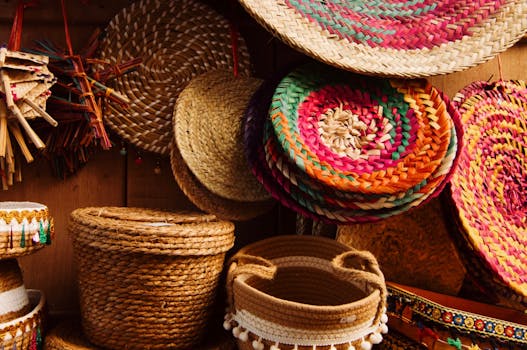
The Most Famous Traditional Baskets in the USA and Their Regional Variations
Baskets are more than just practical containers. In the United States, traditional basket making is a vibrant expression of cultural heritage, creativity, and adaptation to local environments. From the wetlands of the South to the forests of the Northeast, each region boasts its own iconic basket forms, materials, and weaving techniques. These baskets tell stories of Native American ingenuity, colonial influence, and the ongoing relationship between people and the land. Whether used for harvesting, storage, ceremony, or artistry, the most famous traditional baskets in the USA reveal a fascinating patchwork of regional identities.
A Brief History of Basket Making in America
Long before European settlers arrived, Native American peoples across the continent were creating baskets for daily life and spiritual practice. Archaeological evidence shows that basket weaving in North America dates back at least 9,000 years. Early baskets were crafted from abundant regional materials like river cane, sweetgrass, pine needles, and various tree barks.
With the arrival of Europeans in the 1600s, basketry traditions evolved further. Colonists learned from Indigenous weavers and adapted techniques to their own needs, incorporating new materials like splint wood. African American communities, especially in the South, also contributed unique styles, fusing African and American traditions. By the 19th century, American baskets were found in every household and played vital roles in agriculture, fishing, and trade.
Today, traditional basket making endures as both a practical craft and a cherished art form. Many Native American tribes continue to pass down basketry skills, and revival movements have helped preserve regional techniques. American museums and collectors now recognize baskets as significant cultural artifacts, often fetching high prices at auction. For example, a rare 19th-century Pomo feathered gift basket sold for $37,500 at Sotheby’s in 2019.
Iconic Baskets of the Northeast: Splint and Ash Baskets
The forests of the Northeast, especially New England and the Great Lakes region, are home to some of America’s most recognizable traditional baskets. Here, tribes such as the Wabanaki Confederacy (including the Penobscot, Passamaquoddy, and others) and the Haudenosaunee (Iroquois) developed refined techniques using ash, maple, and oak splints.
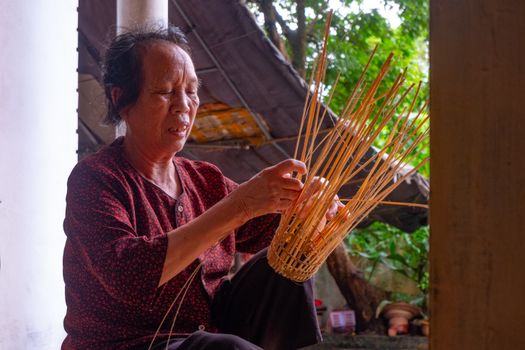
Black ash basketry is particularly renowned. Craftspeople pound the logs to separate thin, flexible strips for weaving. These baskets were used for everything from gathering berries to carrying logs, and later adapted as “fancy baskets” for sale to tourists. The process is highly labor-intensive: making one large basket can take over 20 hours from tree selection to finished product.
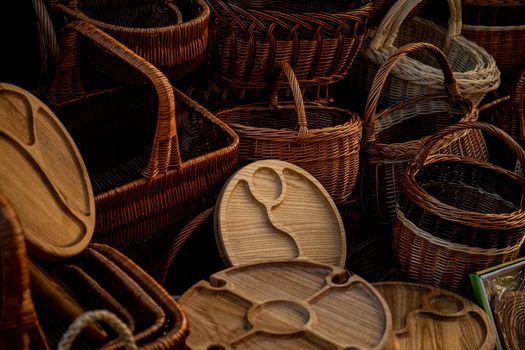
Distinctive forms include the round “corn basket,” rectangular market baskets, and “fancy baskets” adorned with curls, handles, and decorative weaves. The Mohawk and Oneida are known for their “basket purses,” while Penobscot artisans excel at delicate, finely woven containers. Today, black ash is endangered due to the spread of the emerald ash borer, making these baskets even more precious.
The South: Sweetgrass and Gullah Basketry
In the coastal areas of South Carolina and Georgia, the Gullah people—descendants of enslaved Africans—created one of the South’s most beloved basket traditions: sweetgrass basketry. Beginning in the late 17th century, these baskets evolved from West African coiled designs, adapted to local materials such as sweetgrass, bulrush, palmetto, and pine needles.
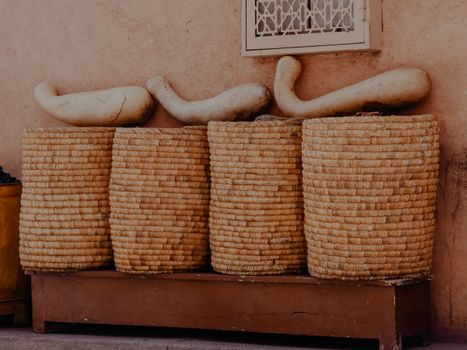
Sweetgrass baskets are instantly recognizable for their golden color, elegant coils, and sturdy yet refined construction. Originally used for rice processing and food storage, they are now highly valued art objects. Making a single sweetgrass basket can take anywhere from 10 to 50 hours, depending on complexity. In 2006, sweetgrass baskets were designated the official handicraft of South Carolina.
The Gullah basket tradition is still alive in the Mount Pleasant and Charleston areas, where artisans set up roadside stands along Highway 17. Sweetgrass baskets are considered some of the oldest African artistic traditions in America, and in 2021, the Smithsonian National Museum of African American History and Culture featured a dedicated exhibit on them.
Western Baskets: Native American Mastery and Mission Influence
The American West—California, the Southwest, and the Pacific Northwest—boasts a dazzling array of basket types and techniques. Native American tribes such as the Pomo, Apache, Yokuts, and Salish are especially celebrated for their artistry.
California’s Pomo people are famous for their feathered gift baskets, miniature baskets, and woven hats. Their baskets often incorporate intricate geometric designs, shells, and vivid bird feathers. A single Pomo basket can contain up to 80 stitches per inch, a testament to weavers’ skill and patience.
Further south, Apache “olla” baskets are shaped like water jars and woven from willow, devil’s claw, and yucca. They are designed to hold water, seeds, and even infants. The Hopi and Tohono O’odham also produce coiled plaques and trays, often used in ceremonial contexts.
In the Pacific Northwest, the Salish and Makah are known for tightly twined baskets using cedar bark and bear grass. These waterproof baskets historically played key roles in fishing and food storage. Spanish missions in California also influenced local basketry, particularly in design motifs and market-oriented production during the 18th and 19th centuries.
Midwestern and Appalachian Baskets: Functional Beauty
The Midwest and Appalachian regions developed basket styles reflecting the needs of agricultural and frontier life. White oak, hickory, and maple provided sturdy materials for ribbed and splint baskets. These baskets were essential for gathering crops, carrying eggs, and storing household goods.
Appalachian egg baskets, also called “butt baskets,” are a classic example. Made using a ribbed construction method, they feature a rounded, double-hoop design that cradles fragile eggs. The Shaker communities of the Northeast and Midwest also contributed finely crafted, utilitarian baskets, often with elegant, minimalist forms.
In the late 19th and early 20th centuries, basket making became a cottage industry in Appalachia. Families would sell baskets at local markets and fairs. Today, organizations like the Southern Highland Craft Guild help keep these traditions alive, supporting artisans and educating the public about regional variations.
Comparing Regional Basket Traditions in the USA
To better understand the diversity and distinctiveness of American basketry, here is a comparison table of some of the most famous traditional baskets by region:
| Region | Iconic Basket Types | Main Materials | Key Groups/Communities | Typical Uses |
|---|---|---|---|---|
| Northeast | Black ash splint baskets, berry baskets, fancy baskets | Black ash, maple, oak | Wabanaki, Haudenosaunee (Iroquois), Shakers | Harvesting, storage, trade, decorative |
| Southeast | Sweetgrass baskets, coiled rice fanners | Sweetgrass, bulrush, pine needles, palmetto | Gullah, African American communities | Rice processing, food storage, ceremonial, art |
| West | Feathered baskets, olla baskets, twined baskets | Willow, devil’s claw, yucca, cedar bark, bear grass | Pomo, Apache, Salish, Makah, Yokuts | Water storage, food gathering, ceremonial, gifts |
| Midwest/Appalachia | Egg baskets, ribbed baskets, market baskets | White oak, hickory, maple | Shakers, Appalachian settlers | Egg gathering, crop harvesting, household use |
Modern Revivals and Cultural Preservation
Despite the challenges posed by urbanization, loss of traditional materials, and changing lifestyles, many American basket traditions are experiencing a renaissance. Cultural preservation efforts, museum programs, and artisan guilds have sparked new interest in basket making.
For instance, Native American tribes often hold annual basket festivals and competitions, such as the California Indian Basketweavers’ Association Gathering. Educational programs teach young people traditional techniques, ensuring that skills aren’t lost. The National Basketry Organization, founded in 1999, connects weavers nationwide and promotes both historical and contemporary basketry.
Some states have moved to protect vital materials: Maine has initiated black ash conservation projects, and South Carolina passed laws to safeguard sweetgrass habitat. The market for collectible baskets remains strong, with rare or antique pieces commanding thousands of dollars.
Basket making is also seeing a creative revival among contemporary artists, who blend tradition with innovation. These new works are featured in galleries and design shows across the country, proving that American basketry continues to evolve while honoring its roots.
Final Thoughts on Traditional American Basketry and Regional Styles
From the intricate black ash baskets of the Northeast to the coiled sweetgrass treasures of the South, America’s traditional baskets are a testament to the nation’s rich cultural mosaic. Each basket tells a story of adaptation, resilience, and artistry. Regional variations are shaped by the landscape, the people, and the purpose each basket served.
Today, these baskets are not only functional objects but also powerful symbols of community identity and continuity. Whether displayed in museums or used in daily life, traditional American baskets remind us of a shared heritage that is woven, quite literally, from the land and its people.