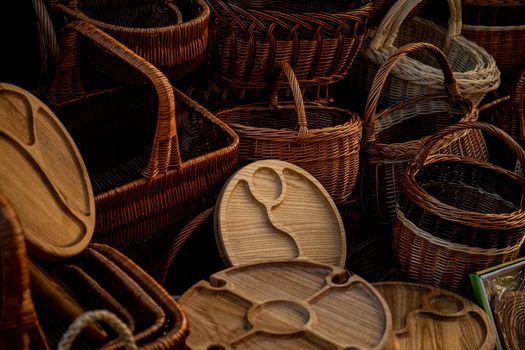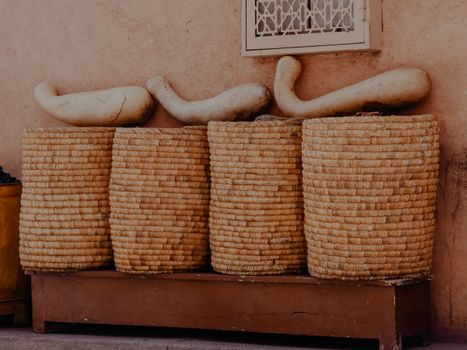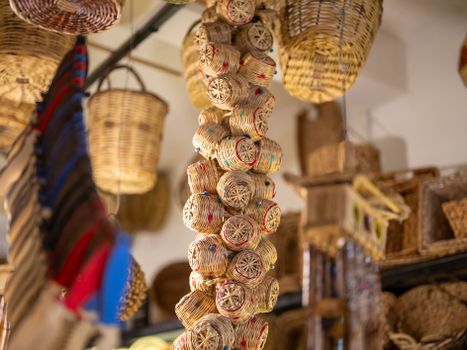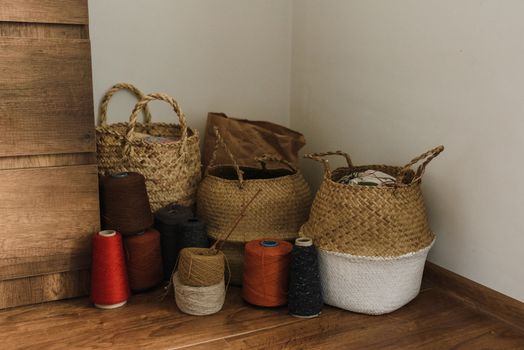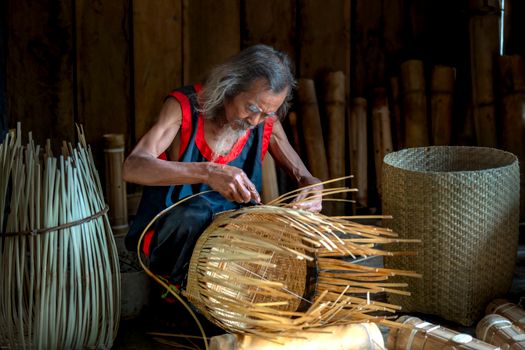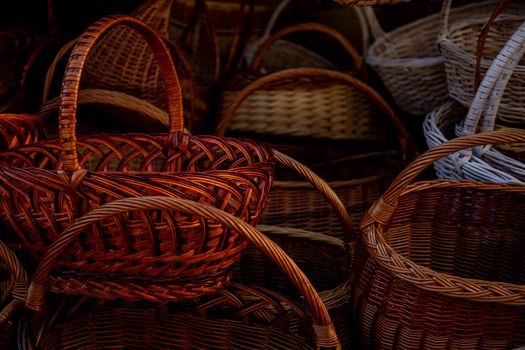
Traditional American baskets are more than utilitarian objects; they carry the stories, skills, and heritage of generations. Whether you own a Shaker basket from the Northeast, a Gullah sweetgrass basket from the South, or a Cherokee rivercane basket from the Southeast, these woven treasures deserve thoughtful care. Over time, environmental factors, improper handling, and neglect can cause irreparable damage. Knowing how to maintain and preserve your traditional American baskets ensures that their beauty and historical significance endure for generations to come. In this guide, we’ll delve into essential care techniques, storage strategies, cleaning tips, environmental controls, and professional preservation options, all backed by research and expert advice.
The Unique Composition of Traditional American Baskets
Before diving into preservation methods, it's crucial to understand what makes these baskets unique. Traditional American baskets are crafted from a variety of natural materials, including:
- White oak (Appalachian, Shaker) - Rivercane (Cherokee) - Sweetgrass (Gullah) - Ash splints (Northeast, Great Lakes) - Willow, pine needles, and moreThese organic materials are sensitive to moisture, sunlight, pests, and temperature fluctuations. For instance, a 2019 study by the American Institute for Conservation found that 68% of damage to heritage baskets was due to environmental exposure rather than handling. Knowing the specific material of your basket helps determine the best care approach.
Optimal Storage Conditions: Protecting Baskets from Environmental Risks
The environment in which you store your baskets directly impacts their longevity. Museums and collectors follow strict protocols that you can adapt at home:
- $1 Natural fibers absorb and release moisture. The ideal relative humidity (RH) for basket storage is 45-55%. Fluctuations outside this range can cause warping, mold growth, or brittleness. A digital hygrometer, available for under $20, can help you monitor RH levels. - $1 Keep baskets in a stable environment, ideally between 65-75°F (18-24°C). Basements and attics, prone to extremes, are poor choices. - $1 UV rays from sunlight or fluorescent bulbs can fade dyes and weaken fibers. Store baskets away from direct sunlight. Use UV-filtering glass or shades if displaying them. - $1 Good airflow prevents mold and pest infestations. Avoid plastic bags or airtight containers, which trap humidity.| Factor | Optimal Range | Common Risks |
|---|---|---|
| Relative Humidity | 45-55% | Mold, warping, brittleness |
| Temperature | 65-75°F (18-24°C) | Cracking, fiber degradation |
| Light Exposure | Low, indirect | Fading, weakening of materials |
| Air Circulation | Moderate | Mold, pest infestations |
According to the Smithsonian Institution, following these simple environmental guidelines can extend the life of a basket by decades.
Safe Handling: Everyday Habits That Make a Difference
Many baskets are damaged during routine handling. Here are some essential tips:
- $1 Oils and dirt from hands can stain or attract pests. Always wash and dry your hands before handling. - $1 Never lift a basket by its rim or handle, especially if it’s old or brittle. Instead, cradle the base with both hands. - $1 The more a basket is moved, the more it is at risk. Choose a permanent display spot or storage area, and move only when necessary. - $1 Using baskets to hold heavy or sharp items can distort their shape or break fibers. If you use them functionally, do so gently, and avoid overloading.Research from the Northeast Document Conservation Center shows that up to 40% of accidental basket damage occurs during cleaning or relocation. Simple mindfulness in handling can make a significant difference.
Cleaning Techniques: Gentle Care for Lasting Beauty
Dust and debris not only detract from a basket’s appearance but can attract insects and promote mold. However, cleaning must be done with care:
- $1 Use a soft, natural-bristle brush to gently remove surface dust. Always brush in the direction of the weave. - $1 For more delicate cleaning, use a vacuum with a hose attachment and a soft brush, keeping the suction low and the nozzle at least an inch away from the basket’s surface. - $1 Never soak or wash your basket with water. Moisture can cause swelling, warping, and mold growth. For stubborn spots, use a barely damp (not wet) cloth and dry immediately. - $1 If a stain occurs, test any cleaning method on a small, inconspicuous area first. Avoid commercial cleaners, which may contain oils or chemicals that damage natural fibers.A 2021 survey of collectors revealed that baskets cleaned with water were twice as likely to develop mold compared to those cleaned with dry methods. Always opt for the gentlest approach.
Pest Prevention and Biological Threats
Baskets made from organic materials are susceptible to biological threats, especially insects and mold:
- $1 Silverfish, carpet beetles, and powderpost beetles are common culprits. Signs include small holes, powdery residue, or frass (insect droppings). - $1 Mold thrives in damp, poorly ventilated areas. Look for fuzzy, discolored patches or musty odors.Prevention is key:
- $1 Check baskets every few months for signs of pests or moisture. - $1 As mentioned, stable temperature and humidity are crucial. - $1 If you acquire a new basket, keep it separate from your collection for a few weeks to ensure it is pest-free. - $1 Some collectors use sachets of lavender or cedar chips nearby, but never in direct contact, as oils can stain fibers.If infestation occurs, consult a professional conservator; traditional household pesticides can do more harm than good.
Professional Conservation: When to Seek Expert Help
Some baskets, especially those with significant age, damage, or historical value, may require professional attention. Professional conservators can:
- Repair broken or missing weavers using historically accurate materials - Stabilize fragile areas with reversible techniques - Provide safe cleaning for delicate or rare pieces - Offer advice on optimal display and storageThe American Institute for Conservation lists over 400 certified professionals in the United States. While costs vary, investing in professional care for heirloom or museum-quality baskets preserves both their value and their history.
Displaying Baskets: Combining Preservation and Aesthetics
Displaying your baskets not only celebrates their artistry but allows you to monitor their condition. Here are tips for safe, attractive display:
- $1 Position baskets away from windows and strong light sources. - $1 Use padded mounts or stands that support the basket’s base and sides. Avoid hanging by handles or rims. - $1 If you have multiple baskets, rotate their display every few months to reduce prolonged exposure to any one environment. - $1 For valuable pieces, consider display cases with UV-filtering glass and good airflow.According to the National Park Service, baskets displayed under these conditions show 60% less fading and structural damage over a ten-year period compared to those in uncontrolled environments.
Final Thoughts on Preserving Traditional American Baskets
Traditional American baskets are tangible links to the past, embodying both craftsmanship and cultural legacy. Preserving them requires a blend of vigilance, gentle care, and respect for their materials and history. By understanding environmental needs, practicing safe handling, and knowing when to seek expert help, you can ensure that your baskets remain vibrant and intact for future generations. Whether your collection is a single cherished piece or a curated array, each basket deserves the thoughtful attention that honors its story and makers.