Traditional American baskets are not just utilitarian objects; they are artifacts that tell the story of diverse cultures, practical ingenuity, and artistic expression across centuries. From the indigenous peoples who first inhabited the continent to early settlers and later regional craftspeople, baskets have served countless roles and evolved into a dazzling array of forms. Each type reflects the resources, needs, and traditions of its makers. In this article, we’ll explore the different types of traditional American baskets, examining their origins, materials, construction methods, and enduring cultural significance.
The Roots of American Basketry: Indigenous Traditions
Long before European settlers arrived, Native American tribes across North America were creating baskets for everyday use and ceremonial purposes. Archaeological evidence shows that basket weaving in North America dates back at least 8,000 years, with remnants found in the ancient caves of the Southwest.
Each tribe developed distinct styles and techniques, influenced by available materials and cultural needs. For example, the Pomo people of California are renowned for their finely woven, feather-embellished baskets, while the Cherokee traditionally crafted double-walled river cane baskets. In the Northeast, the Wabanaki tribes are famous for their "fancy baskets," often made with brown ash and sweetgrass.
Key facts: - Over 200 indigenous tribes in North America have unique basketry traditions. - The oldest known basket in North America is over 7,500 years old, found in Nevada’s Lovelock Cave. - Materials used include river cane, willow, sweetgrass, pine needles, and tule.Regional Styles: From New England to the Southwest
As settlers arrived and established new communities, regional basket styles emerged, blending Old World techniques with New World materials and needs. Let’s look at some of the most distinctive regional basket types in American history.
The Shaker Baskets of New England are admired for their precision and simplicity. Shaker communities in the 19th century produced baskets from locally sourced ash, using a “split and weave” technique. These baskets were highly functional, reflecting the Shaker motto, “hands to work, hearts to God.”
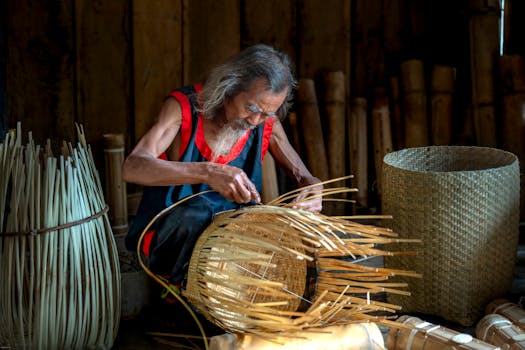
In the Southern Appalachian Mountains, white oak baskets became a mainstay for farming families. These strong, utilitarian baskets were used for everything from harvesting crops to carrying laundry. The process involved splitting white oak logs into thin, flexible strips—a labor-intensive method passed down through generations.
In the Southwest, the Apache and Hopi tribes developed coiled baskets using yucca, sumac, and willow. These baskets often feature bold geometric patterns, each with symbolic meaning.
Functional Forms: Everyday Utility and Artistic Expression
Traditional American baskets were designed for specific functions, and their shapes and sizes reflect their intended use. Here are some of the most common forms:
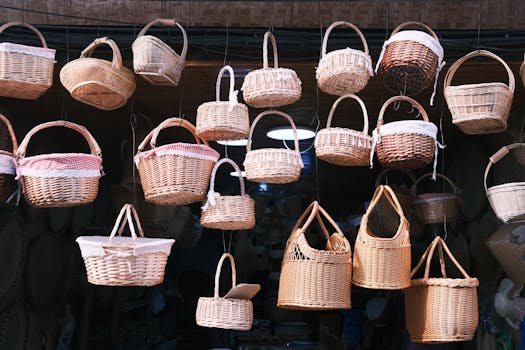
Market Baskets – Large, open baskets, often with a sturdy handle, used for carrying produce and goods to and from local markets. These were especially popular in rural New England and the Midwest.
Egg Baskets – Also known as “buttocks baskets” for their distinctive shape, these were designed to safely collect and carry eggs. Their rounded, divided form helps prevent eggs from rolling and breaking.
Fishing Creels – Used by fishermen, especially in the Northeast and Midwest, these lidded baskets were worn on the hip and designed to keep fish cool and fresh.
Storage Baskets – Large, lidded baskets for storing clothing, linens, and food staples like corn or beans. These were sometimes woven tightly enough to keep out pests and moisture.
Art Baskets – While utility was paramount, many basketmakers infused their creations with artistry. The Miwok, Choctaw, and Chitimacha, among others, were known for their intricate patterns, colorful dyes, and detailed ornamentation.
Materials and Weaving Techniques: A Closer Look
The materials used in traditional American baskets are as varied as the landscape itself. Basketmakers chose materials not only for their availability, but also for their strength, flexibility, and appearance.
Common materials: - Ash and oak (New England, Appalachia) - Willow and dogwood (Midwest, Pacific Northwest) - Sweetgrass and pine needles (Southeast, Native American tribes) - Yucca and sumac (Southwest)Three primary weaving techniques dominate traditional basketry:
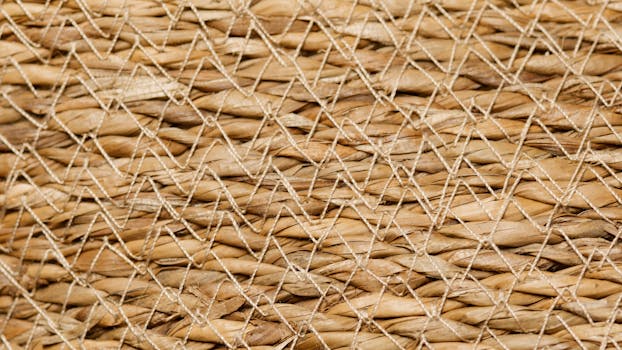
1. Plaiting: Interlacing flat strips at right angles, typical in Shaker and Appalachian baskets. 2. Coiling: Wrapping a bundle of plant fibers in a spiral and stitching it in place, common in the Southwest. 3. Twining: Twisting horizontal weavers around vertical spokes, seen in many Native American baskets.To further clarify, here’s a comparison table of common basket types, their regions, and key features:
| Basket Type | Region | Materials | Weaving Technique | Primary Use |
|---|---|---|---|---|
| Shaker Basket | New England | Ash, Oak | Plaiting | Household utility |
| Sweetgrass Basket | Southeast (Gullah) | Sweetgrass, Pine needles | Coiling | Food prep, storage |
| Pomo Feather Basket | California | Willow, Sedge root, Feathers | Twining | Ceremonial, gift |
| White Oak Basket | Appalachia | White Oak | Splint weaving | Harvesting, storage |
| Hopi Coiled Basket | Southwest | Yucca, Sumac | Coiling | Ceremonial, food |
Basketry as Cultural Heritage and Modern Revival
Today, traditional American basketry is recognized as an important part of the nation’s cultural heritage. Many tribes and rural communities are working to preserve these skills, passing them down through apprenticeships, workshops, and cultural festivals.
For example, the annual Maine Basketmakers Alliance Market draws hundreds of artisans and collectors, celebrating Passamaquoddy, Penobscot, and Maliseet basketry. In South Carolina, the Gullah community’s sweetgrass basket stands, visible along Highway 17, have become iconic symbols of African American heritage.
A 2021 survey by the National Basketry Organization found that over 20,000 Americans actively practice basketmaking, either as professionals or hobbyists. Museums such as the Smithsonian’s National Museum of the American Indian now include extensive basket collections, highlighting the artistry and historical significance of these objects.
The economic value of traditional baskets has also grown. A 2023 report indicated that rare antique baskets, such as 19th-century Pomo feather baskets, can sell for over $10,000 at auction. Meanwhile, contemporary artisans find a market for their work at local fairs, galleries, and online platforms.
Collecting and Preserving Traditional American Baskets
Collectors are drawn to traditional baskets for their beauty, craftsmanship, and historical value. If you’re interested in starting a collection, there are a few important guidelines to keep in mind:
- Condition is key. Look for baskets with minimal damage, intact handles, and unfaded dyes. - Provenance adds value. Baskets with documented origins or made by known artisans are especially prized. - Proper storage is crucial. Baskets are sensitive to humidity, direct sunlight, and insects. Experts recommend climate-controlled rooms and acid-free supports. - Museums and historical societies often offer workshops on basket conservation and identification.Some rare Native American baskets have even been designated as cultural patrimony, meaning they cannot be sold or exported without tribal approval. This reflects the ongoing importance of baskets to community identity and heritage.
Conclusion
Traditional American baskets are woven from the threads of history, culture, and artistry. From the ingenious forms created by Native American tribes to the practical designs of pioneer households and the revival of basketmaking today, these objects continue to connect us to the land and to each other. As both utilitarian tools and works of art, traditional baskets offer a window into the resourcefulness and creativity of the American people. Whether displayed in a museum, used in a home, or crafted by hand, their legacy endures—woven through time and tradition.