Basketry as a Therapeutic Activity: How It Can Help During Stressful Times
In today’s fast-paced world, stress and anxiety have become almost unavoidable for many people. The pressures of work, family, and daily life can often feel overwhelming, leading individuals to seek out ways to unwind and restore a sense of calm. While there are countless methods promoted for stress relief, one age-old practice is gaining renewed attention for its therapeutic potential: basketry. Far from being just a traditional craft, basketry offers tangible mental health benefits, providing a meditative, creative outlet that can help people navigate stressful times. This article explores how basketry serves as a therapeutic activity, the science behind its calming effects, and practical ways to incorporate it into modern life.
The Science Behind Craft as Therapy
Craft activities like basketry are increasingly being recognized in scientific literature for their role in improving mental health. Studies show that engaging in creative activities can reduce cortisol, the hormone associated with stress. A 2016 study published in the journal Art Therapy found that just 45 minutes of art-making significantly lowered cortisol levels in 75% of participants, regardless of their artistic experience.
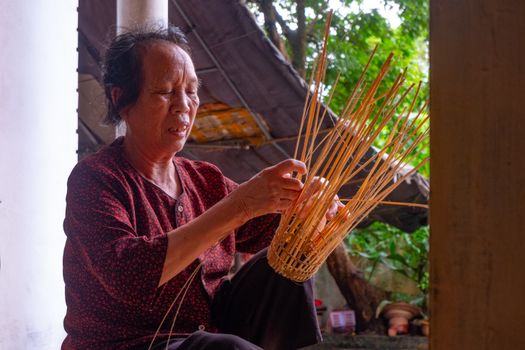
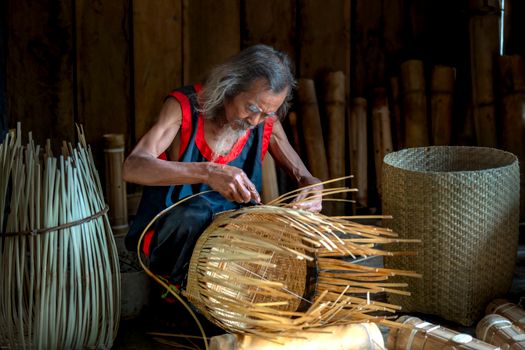
Basketry, in particular, combines repetitive hand movements, tactile sensations, and focused attention—all elements associated with mindfulness. When weaving a basket, participants often experience a state of “flow,” a psychological state where time seems to slow down, and worries fade into the background. This state of flow has been linked to reduced symptoms of anxiety and depression.
Moreover, basketry encourages bilateral coordination, meaning both hands work together in harmony. Research from the American Occupational Therapy Association highlights that such activities can improve cognitive function and manual dexterity, which are essential for maintaining mental agility, especially in older adults.
How Basketry Reduces Stress and Anxiety
The therapeutic benefits of basketry stem from a combination of physical, emotional, and psychological factors:
1. $1 The act of weaving or coiling requires repetitive movements, which can have a calming effect similar to meditation. These repetitive actions help regulate breathing and heart rate, promoting relaxation. 2. $1 Basketry demands concentration on the present moment. This mindfulness naturally redirects attention from intrusive thoughts or worries, offering a mental break from stressors. 3. $1 Working with natural materials like willow, reed, or grasses provides tactile stimulation, which has been shown to ground individuals and reduce feelings of anxiety. Tactile activities are especially beneficial for those who feel overwhelmed by digital overload. 4. $1 Crafting a unique basket allows for self-expression, which can be empowering and uplifting. Studies have shown that creative activities can increase dopamine, the “feel-good” neurotransmitter. 5. $1 Completing a basket, no matter how simple, gives a tangible sense of achievement. This boosts self-esteem and reinforces positive emotions.Basketry Versus Other Therapeutic Activities: A Comparison
There are many therapeutic activities available, from journaling to yoga. How does basketry measure up? The table below compares basketry with three commonly recommended stress-relief activities.
| Activity | Main Benefits | Level of Mindfulness | Physical Engagement | Materials/Cost |
|---|---|---|---|---|
| Basketry | Improves focus, manual dexterity, creativity | High | Moderate (handwork) | Low to moderate (natural materials) |
| Yoga | Physical flexibility, relaxation, stress reduction | High | High (full-body movement) | Low (mat, comfortable clothing) |
| Journaling | Clarifies thoughts, emotional release | Moderate to high | Low (writing only) | Very low (pen and paper) |
| Guided Meditation | Calmness, emotional regulation | Very high | None | Very low (audio or app) |
As the table shows, basketry provides a unique blend of mindfulness and hands-on engagement, making it especially suitable for individuals who benefit from physical activity but may not prefer exercise-focused options.
Basketry in Clinical and Community Settings
The use of basketry as therapy is not just anecdotal. Across the globe, basket weaving has been integrated into clinical, educational, and community programs to support mental wellness.
For instance, hospitals and rehabilitation centers often offer basketry workshops for patients dealing with chronic illness or recovering from trauma. The Royal Edinburgh Hospital in Scotland has included basket weaving in its occupational therapy programs for over 30 years, citing improvements in patients’ mood, hand strength, and social interactions.
In Australia, the "Weaving Wellbeing" initiative uses traditional basketry to connect Indigenous women with their cultural heritage while providing a platform for sharing stories and healing. Participants report reduced feelings of isolation and increased confidence.
In the United States, community centers and senior living facilities are adopting basketry classes as part of holistic wellness programs. According to the National Council on Aging, craft-based activities like basketry can decrease loneliness and improve quality of life for older adults, a demographic particularly vulnerable to stress and depression.
How to Get Started with Therapeutic Basketry
Starting basketry as a therapeutic practice does not require prior experience or expensive tools. Here are some practical steps to begin:
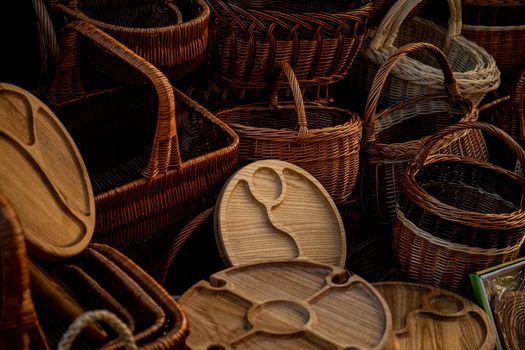
1. $1 Beginners can start with basic coiled baskets or small woven trays. These projects can be completed in a few hours and provide immediate satisfaction. 2. $1 Natural materials such as raffia, seagrass, or willow are widely available and environmentally friendly. Many craft stores offer starter kits with instructions. 3. $1 Designate a quiet, comfortable area for basketry. Soft lighting and soothing music can enhance the meditative experience. 4. $1 Dedicate 30-60 minutes per session. Consistency is more important than duration; even short, regular sessions yield benefits. 5. $1 Many community centers and online platforms offer classes where participants can learn together. Sharing the experience adds a social dimension, which is itself therapeutic. 6. $1 Keep a journal or photo collection of finished baskets. Tracking your growth reinforces a sense of accomplishment and encourages continued practice.Real-Life Stories: Basketry and Personal Healing
Personal accounts highlight the profound impact basketry can have on mental wellbeing. For example, Maria, a 42-year-old teacher from Oregon, turned to basket weaving during the COVID-19 pandemic. She describes the practice as “a lifeline,” explaining that the routine and creativity helped her manage anxiety and find moments of peace amidst uncertainty.
Similarly, veterans participating in therapeutic basketry workshops through the VA Medical Center in North Carolina report reductions in PTSD symptoms. According to program staff, over 70% of participants experienced improved mood and sleep after eight weeks of weekly weaving sessions.
In a 2022 survey conducted by the UK Crafts Council, 62% of respondents who engaged in craft activities, including basketry, said it improved their mental health during stressful periods.
These stories and statistics underscore that the benefits of basketry are both measurable and deeply personal.
Final Thoughts on Basketry as a Therapeutic Activity
Basketry is far more than a traditional craft—it is a powerful tool for managing stress and fostering resilience. Its unique combination of mindful focus, tactile engagement, and creative expression makes it accessible and effective for people of all ages and backgrounds. Whether practiced alone or in a group, basketry offers a path to calmness, self-discovery, and healing in challenging times.
The growing recognition of basketry in clinical and community settings further cements its status as a legitimate therapeutic activity. With minimal investment and virtually no barrier to entry, anyone can experience the mental health benefits of this ancient art form. In a world that often feels chaotic, the simple act of weaving may just help restore balance—one basket at a time.