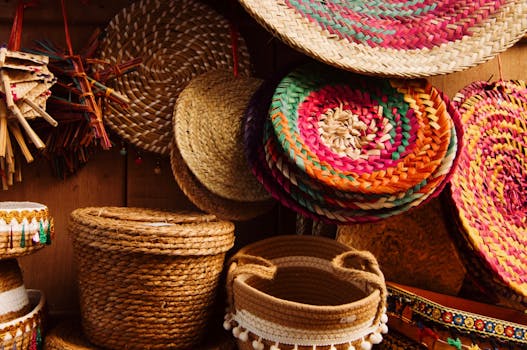
American Traditional Baskets as a Form of Expression: Stories Woven in Every Strand
Basket weaving is one of humanity’s oldest crafts, but in the American context, it is far more than a practical tradition. American traditional baskets have evolved into powerful vessels of expression—each piece woven with meaning, identity, and creativity. For centuries, Indigenous nations, rural communities, African American artisans, and contemporary makers have used basketry to convey stories, beliefs, and emotions. Today, these baskets represent so much more than their functional origins: they embody personal and collective voices, acting as silent storytellers of American culture.
This article delves into the expressive power of American traditional baskets, exploring their symbolism, regional diversity, the role of artisans, and their place in contemporary expression. We’ll also compare distinctive basketry styles and discuss how these woven works continue to speak volumes in the modern era.
The Symbolism and Language of Baskets
Unlike mass-produced containers, traditional American baskets are rich with meaning. Every aspect—from materials and patterns to colors and shapes—serves as a language, allowing artisans to encode personal or cultural messages.
For example, in many Native American communities, basket patterns are not purely decorative. The Hopi, Pomo, and Cherokee, among others, use symbolic motifs: spirals for the cycle of life, zigzags for water, or diamonds representing the four cardinal directions. In the Southeast, Choctaw baskets sometimes feature a “snake” pattern symbolizing protection. These designs are passed down through generations, but weavers often reinterpret them to reflect contemporary concerns, blending tradition with individuality.
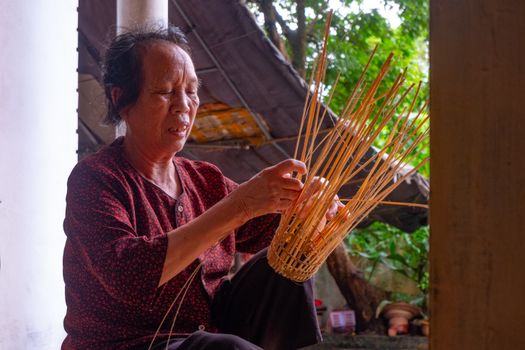
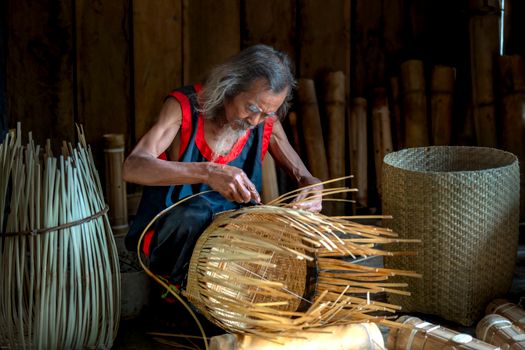
Beyond symbols, the act of weaving itself becomes a meditative ritual, a way to process memories, honor ancestors, or even mark significant life events. Basket makers frequently speak of “weaving stories” into their work—a phrase rooted in the literal and figurative connections between hands, heart, and heritage.
Regional Voices: Diversity in American Basket Expressions
Basketry in America is as diverse as its landscapes. Each region has nurtured distinct materials, techniques, and expressive traditions, yielding a mosaic of unique styles.
In New England, Shaker baskets are renowned for their simplicity and precision, reflecting the Shaker values of order and humility. These baskets, often oval or round, are woven from strips of ash or maple, and their understated beauty quietly expresses the spiritual beliefs of their makers.
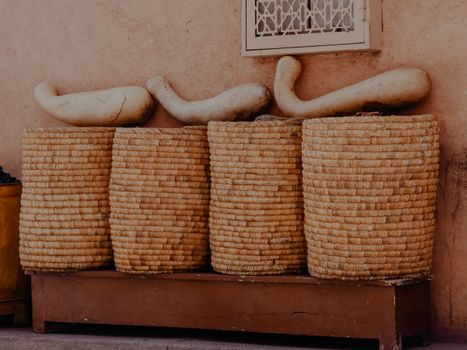
In the South, coiled sweetgrass baskets—originating with enslaved Africans in the Lowcountry—are vibrant with history and resilience. Today, Gullah basket makers in South Carolina and Georgia incorporate both West African and American motifs, using their craft as a way to honor their ancestors and express cultural pride.
The Pacific Northwest offers another expressive tradition: Tlingit and Haida basket weavers use spruce roots and cedar bark to create complex designs, such as “bear tracks” or “killer whale fins,” that tell tribal legends and record family lineages.
This diversity is not only regional but also deeply personal. Even within the same tradition, no two baskets are exactly alike, each reflecting the weaver’s choices, moods, and intentions.
Artisans as Storytellers: Personal Narratives in Basketry
For many American basket makers, the act of weaving is a profound form of self-expression. While some adhere strictly to tradition, others innovate, weaving their own stories into the craft. This is especially evident in the growing number of contemporary artisans who use basketry to address social, political, and environmental themes.
Consider the work of Shan Goshorn (Eastern Band Cherokee), who wove baskets from archival paper bearing images or texts about Native rights, transforming the form into a commentary on justice and identity. Another example is Mary Jackson, a South Carolina Gullah artist whose baskets, exhibited in major museums, incorporate new shapes and patterns to reflect the evolving African American experience.
For many, basketry is also a tool for healing and resilience. Veterans, trauma survivors, and those in recovery have turned to weaving as a therapeutic practice, using the rhythm of the craft to process emotions and regain a sense of agency.
Materials and Techniques: Tools of Creative Freedom
The materials and techniques employed in American basket making are integral to its expressive potential. Traditional baskets can be made from white oak, black ash, river cane, pine needles, sweetgrass, willow, or even recycled plastics in modern interpretations. Each material offers unique textures and colors, enabling artisans to push the boundaries of the craft.
Different weaving methods—coiling, plaiting, twining, and rib construction—provide further opportunities for creative variation. In some cases, basket makers mix techniques to invent entirely new forms. Contemporary artists may dye materials in bold colors, add beads, feathers, or found objects, or experiment with asymmetrical shapes.
This technical diversity invites constant reinvention. According to a 2022 survey by the National Basketry Organization, more than 40% of their members reported regularly experimenting with new materials or methods, highlighting the dynamic nature of basketry today.
Comparing American Basketry Traditions: Styles and Expressions
To better appreciate the expressive range of American traditional baskets, consider the following comparison of four prominent traditions:
| Tradition | Region | Materials | Typical Patterns/Expression | Symbolic Meanings |
|---|---|---|---|---|
| Shaker Baskets | New England | Ash, Maple | Simplicity, Clean Lines | Order, Humility, Spirituality |
| Gullah Sweetgrass Baskets | South Carolina, Georgia | Sweetgrass, Bulrush, Palmetto | Coiled, Spirals, Open/Closed Forms | Heritage, Resilience, Community |
| Pacific Northwest Cedar Bark Baskets | Alaska, Washington, Oregon | Cedar Bark, Spruce Roots | Geometric, Animal Motifs | Clan Identity, Storytelling |
| Cherokee River Cane Baskets | Southeast US | River Cane, Natural Dyes | Double Weave, Diamond Patterns | Protection, Nature, Direction |
Each of these traditions demonstrates how baskets serve not just as utilitarian objects but as platforms for cultural dialogue and personal voice.
The Modern Renaissance: Baskets as Contemporary Expression
Far from being relics of the past, American traditional baskets are experiencing a renaissance as expressive art forms. Young weavers are reclaiming endangered techniques, while established artists are pushing the boundaries of basketry as visual art.
In recent years, major exhibitions—such as the Smithsonian’s “Hearts of Our People: Native Women Artists” (2019)—have showcased baskets alongside paintings and sculptures, recognizing their role as vehicles of artistic expression. The market reflects this shift: in 2023, sales of American traditional baskets at art auctions grew by 22%, according to the Art Dealers Association of America.
Social media has also empowered new voices. On platforms like Instagram and TikTok, basket makers share their process and stories, reaching audiences far beyond their local communities. This digital exposure has inspired a new generation to view basketry not only as heritage but as a living, evolving language of self-expression.
Final Reflections: The Enduring Voice of American Traditional Baskets
American traditional baskets have always been more than containers—they are woven diaries, cultural statements, and artistic canvases. Whether rooted in centuries-old tribal motifs or shaped by the hands of a contemporary artist, each basket is a testament to the maker’s creativity, identity, and message.
As we move further into the 21st century, the expressive power of basketry continues to grow. Today’s baskets challenge stereotypes, bridge communities, and invite us to listen to the stories held in every fiber. For collectors, historians, and anyone seeking authentic American art, traditional baskets offer a unique window into the souls of their makers and the enduring spirit of American creativity.