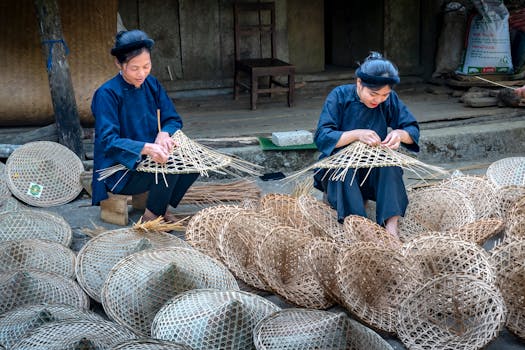
Basket collecting is a vibrant, rewarding pursuit that bridges artistry, history, and culture. From the intricate work of Indigenous artisans to sleek contemporary designs, baskets are far more than utilitarian objects—they’re tangible links to time, place, and community. But as basketry evolves, collectors often face a compelling challenge: How do you confidently distinguish between traditional baskets and their modern counterparts? Whether you’re new to collecting or deepening your expertise, understanding the nuanced differences between these two categories can enhance your appreciation, prevent costly mistakes, and help you build a meaningful collection.
This guide explores the key characteristics, materials, styles, and maker marks that set traditional baskets apart from modern ones, offering practical tips and insights for discerning collectors.
The Defining Features of Traditional Baskets
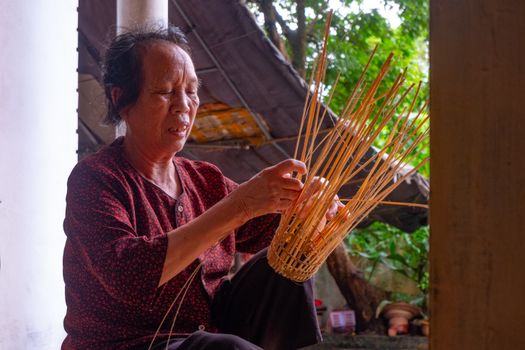
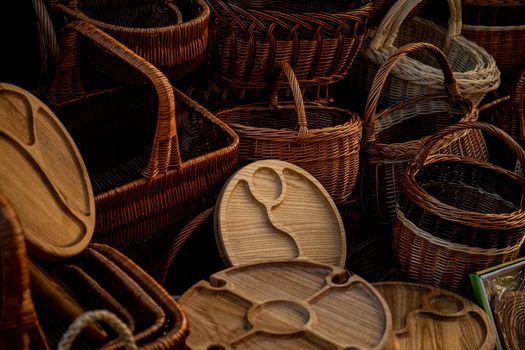
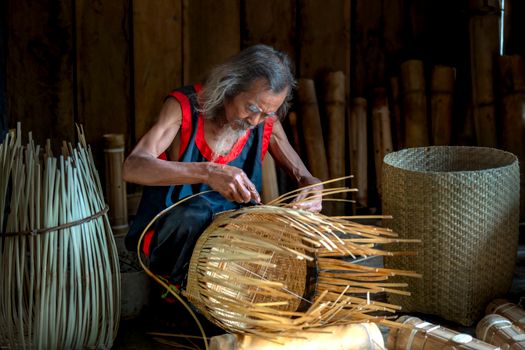
Traditional baskets are the products of long-established methods, materials, and cultural practices. These baskets are typically handmade using techniques passed down through generations, often within specific communities or families. Identifying features of traditional baskets include:
1. $1 Traditional baskets are almost always crafted from materials native to the region—think willow, river cane, pine needles, or sweetgrass. For example, the renowned Cherokee double-weave baskets are made from locally harvested river cane, while Appalachian white oak baskets utilize regionally abundant hardwood. 2. $1 Traditional baskets are rarely, if ever, machine-made. Artisans employ time-honored techniques such as coiling, twining, or plaiting, often without formal patterns, relying on muscle memory and inherited knowledge. 3. $1 Designs often reflect the needs and stories of a community. For instance, a Hopi ceremonial basket incorporates symbolic patterns, while a Shaker apple basket is shaped for agricultural use. 4. $1 Older traditional baskets usually show evidence of age—mellowed surfaces, slight warping, or subtle stains from use. Such patina is prized among collectors, signaling authenticity and history. 5. $1 While many traditional baskets are unsigned, some cultures or individual artisans may incorporate subtle maker’s marks, special knots, or dye patterns unique to a family or tribe.For example, a late 19th-century Pomo feather basket is likely to exhibit intricate, naturalistic patterns achieved with painstaking handwork and native sedge roots, and may show gentle wear from ceremonial use.
Modern Baskets: Innovation in Materials and Design
Modern baskets, produced from the late 20th century onward, reflect the influence of new materials, technologies, and global design trends. They may blend traditional techniques with innovative approaches. Key features include:
1. $1 Modern baskets frequently incorporate non-traditional materials such as plastic, colored wire, metal, or commercially dyed reed. For instance, brightly colored plastic baskets are common in contemporary African and Asian markets. 2. $1 While many modern baskets are still handmade, others are partially or wholly machine-woven, especially in large-scale operations. This enables uniformity, speed, and volume, which contrasts with the uniqueness of traditional baskets. 3. $1 Modern baskets often prioritize form over function, with abstract shapes, bold color palettes, and artistic experimentation. Some are created purely as decorative art pieces, not intended for practical use. 4. $1 Modern studio basket makers, especially those influenced by the American Craft Movement, frequently sign or label their works, sometimes including dates or editions. 5. $1 Because many modern baskets are made for display, they often lack the patina or wear seen in older, used baskets.For example, a 2022 sculptural basket by contemporary artist Ed Rossbach might feature plastic cable ties interwoven with dyed linen, signed and dated on the base—a clear departure from a utilitarian, unsigned Hopi coiled basket.
Comparing Traditional and Modern Baskets: A Side-by-Side Overview
To help collectors quickly spot the differences between traditional and modern baskets, here’s a comparison table highlighting the most significant attributes:
| Feature | Traditional Baskets | Modern Baskets |
|---|---|---|
| Materials | Natural, locally sourced (e.g., willow, sweetgrass) | May include synthetic, imported, or non-traditional materials |
| Construction | Handmade using inherited techniques | Handmade or machine-assisted; innovative methods |
| Design Purpose | Functional, ceremonial, or symbolic | Artistic, decorative, or commercial |
| Condition | Signs of age, use, and natural patina | Often pristine; made for display |
| Markings | Rarely signed; sometimes unique family or tribal features | Frequently signed, labeled, or documented |
| Market Value | Can be high due to rarity and provenance | Varies widely; studio pieces can be valuable |
Assessing Provenance and Authenticity
Provenance—the documented history of a basket—plays a crucial role in distinguishing traditional from modern pieces. Authentic traditional baskets often come with oral histories, documentation, or at least a clear connection to a specific culture or artisan. Here are steps collectors should take:
- $1 Ask sellers for any provenance records, photos of the basket in situ, or information about the original maker. - $1 Museums, tribal councils, and reputable dealers can provide authentication services or connect you with specialists. - $1 Many museums, such as the Smithsonian Institution, maintain online catalogs of traditional baskets. Cross-reference your finds with these resources. - $1 Some reproduction baskets are aged artificially to appear older. Look for inconsistencies—modern dyes, machine stitching, or non-native materials are red flags.According to a 2021 survey by the Antique Tribal Art Dealers Association, more than 15% of baskets sold as “antique” online were later identified as contemporary reproductions. Due diligence is essential for protecting your investment and preserving cultural integrity.
Regional Variations and Cultural Significance
Recognizing the regional and cultural origins of a basket is pivotal in identification. Certain styles, techniques, and motifs are strongly associated with specific groups:
- $1 Tribes like the Apache, Pomo, and Tlingit each have signature forms and patterns. A Pima burden basket, for instance, is conical and designed for carrying, while a Northwest Coast Tlingit basket features tightly twined spruce root construction and geometric motifs. - $1 Zulu baskets from South Africa are traditionally made with Ilala palm and dyed with natural earth pigments, while modern African baskets may incorporate telephone wire or brightly colored plastics. - $1 Japanese ikebana baskets are known for their bamboo openwork and refined symmetry, whereas contemporary Japanese artists may experiment with metal or mixed media.Understanding the basket’s cultural context not only helps in distinguishing old from new but also deepens the collector’s appreciation for its artistry and meaning.
Evaluating Condition, Value, and Collectibility
Condition and collectibility often intersect but are not synonymous. While pristine modern baskets might appeal for their aesthetics, collectors often prize traditional baskets that show evidence of use and history—so long as they remain structurally sound.
- $1 Fading, small cracks, or minor repairs can add to a traditional basket’s value. - $1 Baskets by renowned makers or from fading traditions command higher prices. For example, a documented 19th-century Washoe basket by Datsolalee sold for $180,000 at auction. - $1 According to the 2023 Art Market Report, demand for traditional baskets, particularly from recognized Native American makers, rose by 12% over the previous year, while modern studio baskets saw steady but more modest growth.Collectors should weigh condition against rarity and provenance when evaluating potential acquisitions. A well-documented, slightly worn traditional basket may be far more valuable—financially and culturally—than a flawless modern reproduction.
Building a Discerning Collector’s Eye
The best way to hone your ability to distinguish traditional baskets from modern ones is through hands-on experience and ongoing study. Here are some tips for building your expertise:
- $1 Live events provide opportunities to see, touch, and compare baskets from various periods and regions. - $1 Titles like “Indian Baskets of the Southwest” by Clara Lee Tanner and “Baskets: Masterpieces of the Bowers Museum Collection” offer detailed images and context. - $1 Joining collector associations or online forums can yield invaluable insights and mentorship. - $1 Feeling the weight, texture, and flexibility of baskets firsthand sharpens your ability to spot subtle differences. - $1 Keep detailed records, including photographs and notes about each acquisition. This not only aids your memory but also increases the value and traceability of your collection.Final Thoughts: The Enduring Allure of Basketry
Distinguishing traditional baskets from modern ones is both an art and a science. It requires knowledge of materials, techniques, and history—but also a keen eye and passionate curiosity. For collectors, each basket represents a unique blend of heritage, creativity, and personal story. By understanding the differences between traditional and modern baskets, you not only safeguard your collection but also honor the cultural legacies woven into every piece. Whether you seek the patina of age or the excitement of contemporary design, basketry offers endless avenues for discovery and appreciation.