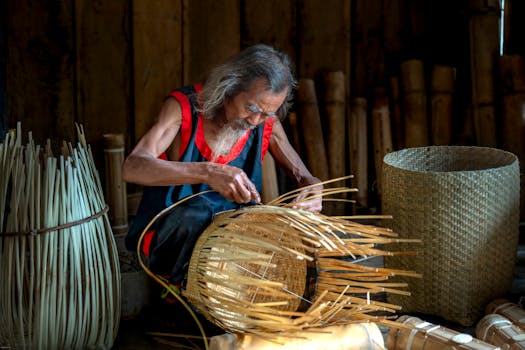
Traditional American baskets are more than just practical objects—they are woven pieces of history, artistry, and culture. From sweetgrass baskets of the Gullah people in South Carolina to the sturdy Appalachian egg baskets, these baskets tell stories of regional identity, craftsmanship, and resourcefulness. Whether you’ve inherited a family heirloom, purchased a handmade piece from a local artisan, or started your own collection, maintaining and preserving these baskets is crucial for ensuring their beauty and integrity for generations to come. This guide will walk you through the essential steps and considerations for the care, maintenance, and preservation of your traditional American baskets.
Understanding Traditional American Basket Materials
Before you can effectively care for a basket, it's important to recognize the materials and techniques used in its construction. Traditional American baskets are typically made from natural materials such as white oak, black ash, willow, river cane, longleaf pine needles, and sweetgrass. Each material has its own strengths and vulnerabilities.
For example, white oak—favored in the Appalachian region—is known for its flexibility and durability, making it ideal for utilitarian baskets. Sweetgrass, commonly used in coastal South Carolina, is more delicate but highly aromatic and visually striking. Understanding the material is the first step in determining how to best maintain your basket.
Here's a comparison of common basket materials:
| Material | Region/Tradition | Key Properties | Common Uses |
|---|---|---|---|
| White Oak | Appalachian, Midwest | Strong, flexible, rot-resistant | Egg baskets, market baskets |
| Sweetgrass | Gullah, Lowcountry SC | Fragrant, delicate, light | Sewing baskets, decorative bowls |
| Black Ash | Great Lakes, Northeast | Splits easily, fine grain | Pack baskets, utility baskets |
| Pine Needle | Southeast, Native traditions | Aromatic, flexible, coiled | Jewelry baskets, trays |
| Willow | Midwest, Northeast | Supple, strong, easy to weave | Storage baskets, fishing creels |
Knowing the material composition helps tailor your maintenance approach, as each type responds differently to humidity, light, and handling.
Optimal Storage Conditions for Longevity
Environmental factors play a significant role in the preservation of traditional baskets. The primary threats are fluctuations in temperature and humidity, direct sunlight, pests, and dust. Here’s how to create ideal conditions:
1. $1: Baskets made from plant fibers are highly sensitive to moisture. Too much humidity can encourage mold growth and attract insects; too little can make the fibers brittle and prone to breaking. Aim for a relative humidity between 40% and 55%. In climates with significant seasonal changes, consider using a dehumidifier or humidifier as needed. According to the Smithsonian Museum Conservation Institute, sudden changes in humidity are more damaging than gradual fluctuations. 2. $1: Keep your baskets in a room where temperatures are relatively stable—ideally between 60°F and 75°F. Avoid storing baskets in attics, basements, or garages, where extremes are common. 3. $1: Prolonged exposure to sunlight or strong artificial light can cause fading and weaken the fibers. Display baskets away from direct sunlight and use UV-filtering glass if displaying in a case. Studies show that natural dyes and plant materials can lose up to 50% of their original color after just one year of daily sun exposure. 4. $1: Good airflow prevents moisture buildup and discourages mold. Store baskets in open shelving or cabinets with ventilation holes. 5. $1: Moths, beetles, and silverfish are drawn to natural fibers. Regularly inspect your baskets for signs of infestation, such as small holes or powdery residue. Cedar blocks or lavender sachets can help deter pests, but avoid direct contact with the basket.Cleaning and Handling: Do's and Don'ts
Proper cleaning and handling are essential to maintain both the appearance and structural integrity of your baskets. Here are some best practices:
- $1: Use a soft-bristle brush, such as a clean paintbrush or a makeup brush, to gently remove dust from crevices. For deeper cleaning, a vacuum with a soft brush attachment set to low suction can be used, but always hold the basket firmly to prevent distortion. - $1: Never soak a basket or use harsh cleaners. If you encounter a stubborn stain, dampen a white cotton cloth with distilled water and gently blot the area. Avoid rubbing, as this can damage the fibers. - $1: Unlike wooden furniture, baskets generally do not require oiling. In fact, applying oils or waxes can attract dust and promote mold. If a basket feels particularly dry, it is safer to adjust the room’s humidity rather than treating the basket directly. - $1: Always use two hands to support the base and sides of the basket, especially if it is heavy or fragile. Avoid lifting by the rim or handles, as these are common points of stress and breakage. - $1: For valuable or antique baskets, consult a professional conservator for repairs. Amateur fixes with glue or tape can cause irreversible damage and reduce the basket’s value.Display and Use: Balancing Beauty and Function
Displaying your traditional American baskets can bring warmth and character to your home, but it is important to do so thoughtfully. Here are some guidelines to balance aesthetics and preservation:
- $1: If displaying on a shelf, use padded supports or custom mounts to prevent warping. Never hang heavy baskets by their handles for extended periods. - $1: If you have a large collection, consider rotating which baskets are on display. This minimizes light exposure and handling wear. - $1: Some baskets are sturdy enough for practical use, but always be mindful of their age and condition. Avoid placing damp or acidic items (like fruit) directly in antique baskets, as these can stain and degrade the fibers. - $1: When using baskets to hold items, line them with a cotton cloth or acid-free paper to prevent direct contact with the contents. - $1: Every few months, inspect your baskets for any signs of damage, pest activity, or environmental stress. Early intervention can prevent minor issues from becoming major problems.Documentation and Provenance: Preserving the Story
A traditional American basket’s value goes beyond its physical form—its story, origin, and maker are equally important. Preserving this information enhances both the cultural and monetary value of your basket.
- $1: Document where and when you acquired each basket, the material and technique used, and any known history or maker information. Take clear photographs from multiple angles and note any distinguishing features. - $1: If you must label your baskets, use acid-free tags attached loosely with cotton string. Never write directly on the basket. - $1: If you pass baskets down through your family, include written or recorded histories to ensure future generations understand their significance.Conclusion
Maintaining and preserving traditional American baskets is a rewarding responsibility that honors both the artistry of the maker and the cultural legacy of the object. By understanding your basket’s materials, creating stable storage conditions, practicing gentle cleaning and handling, displaying with care, and preserving its story, you can ensure these woven treasures endure for decades, if not centuries. Whether your baskets are everyday workhorses or delicate showpieces, a little mindful stewardship will keep them beautiful and meaningful for the next generation.