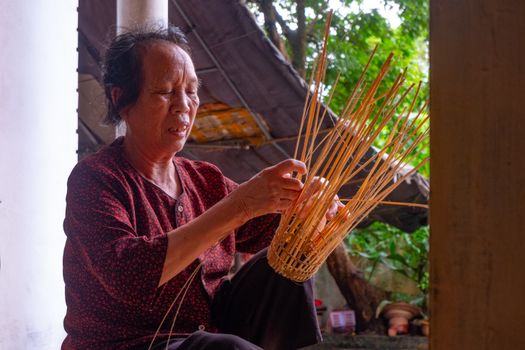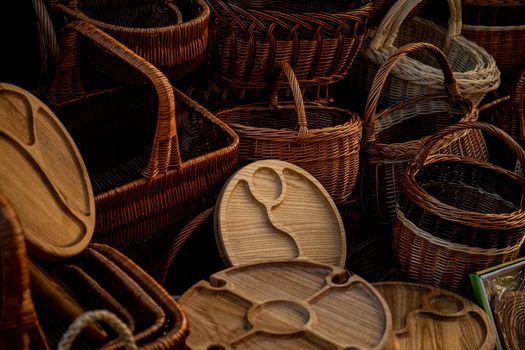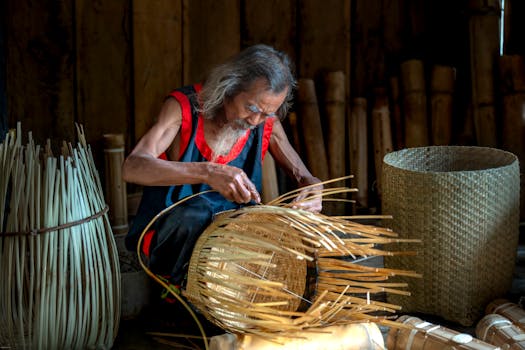
Basket weaving is an ancient craft, but for those who have already mastered the basics, the next challenge is crafting more intricate, sophisticated baskets that showcase advanced techniques and creative flair. Whether you’re looking to elevate your artistry or tackle a project that demands patience and precision, making a more complex basket can be a rewarding journey. This guide provides a detailed, step-by-step path for advanced crafters eager to expand their skills and construct a basket that stands out for its complexity and beauty.
Understanding What Makes a Basket Complex
Before diving into the process, it’s important to define what constitutes a "complex" basket. Complexity in basketry isn't just about size or shape; it's about incorporating multiple weaving techniques, integrating varied materials, adding structural features, and achieving intricate patterns.
Key elements that contribute to basket complexity include: - Multiple weaving patterns (e.g., twill, hexagonal, or double-walled techniques) - Use of contrasting materials, such as reed, willow, and seagrass - Intricate rim and base designs - Added features like handles, lids, or sculptural elementsFor example, a 2023 survey by the American Craft Council found that 67% of advanced weavers cite multi-pattern integration as the most challenging aspect of their work. By understanding these elements, crafters can plan their projects with both technical skill and creative vision.
Choosing Materials for Advanced Basketry
Material selection is especially crucial for complex baskets. Unlike simple baskets that may rely on a single reed or fiber, advanced baskets often combine several materials to achieve contrast, strength, and visual interest.
Common materials for advanced baskets include: - Rattan reed (for flexibility and strength) - Willow rods (ideal for structural support) - Cane (adds smoothness and detail) - Grasses and rushes (for texture or color) - Dyed fibers (for pattern work)A 2022 study from the National Basketry Organization revealed that advanced crafters use an average of 3.2 different materials per basket, compared to 1.5 for beginners.
When selecting materials, consider: - Compatibility (materials should bend and weave at similar moisture levels) - Color contrast (for striking patterns) - Durability (for baskets intended for functional use) - Sourcing sustainable and ethically harvested fibersStoring materials at the right humidity—ideally between 50-60%—prevents cracking or brittleness during weaving.
Planning Your Complex Basket: Patterns and Structure
Advanced baskets require more than just good materials—they demand careful planning. The pattern and structure you choose will dictate the entire weaving process, from base construction to finishing touches.
Popular complex patterns include: - Chevron and herringbone twill - Spiral or hexagonal weaves - Double-walled baskets (where two baskets are woven together for extra strength and design options) - Overlay and inlay techniques (adding contrasting strips to create motifs or images) It’s wise to sketch your intended design first. Break down the basket into these key components: 1. Base: Will you use a flat, round, or oval base? How many spokes will you need? 2. Sides: What weaving pattern will you use? Will the sides flare, taper, or stay straight? 3. Rim: Will the rim be simple or decorative? Will you add handles or a lid?For example, a double-walled chevron basket might require 36 base spokes, alternating materials every third spoke, and careful tracking to maintain the pattern alignment throughout the sides. This level of detail will help prevent mistakes as you progress.
Step-by-Step Guide: Weaving a Complex Basket
Let’s walk through the process of creating a double-walled, chevron-patterned basket with a decorative rim—a project that incorporates multiple advanced elements.
Step 1: Prepare and Soak Your Materials Soak your reed, willow, or cane in warm water for 10-30 minutes until pliable. Keep materials damp throughout the process.
Step 2: Construct the Base Lay out your spokes (e.g., 36 spokes for a medium-sized basket). Arrange them evenly in a radial pattern on a flat surface. Begin weaving a twined base, alternating materials every few spokes to start your chevron pattern. Continue until the base reaches your desired diameter.
Step 3: Begin the Sides Bend the spokes upward at a 90-degree angle. Start weaving the sides using the chevron twill technique: - Weave over two, under two, shifting the pattern with each round to create the chevron. - Use at least two different colored/dyed reeds for contrast. - Keep tension even for a smooth, uniform look.Step 4: Create the Double Wall Once you reach the desired height, reverse the direction of your weaving to create an inner wall. This involves tucking the spokes inward and repeating the side weaving pattern, mirroring the exterior wall inside the basket.
Step 5: Add Decorative Elements As you finish the inner wall, incorporate overlays or inlays—thin strips of dyed cane or seagrass—into the weave to add motifs or accent lines.
Step 6: Finish the Rim Trim and tuck the ends of the spokes between the outer and inner walls. Create a braided or wrapped rim using a complementary material for added strength and style.
Step 7: Add Handles or a Lid (Optional) For a final flourish, weave integrated handles or a fitted lid using a matching or contrasting pattern.
Throughout, regularly mist your materials to maintain flexibility, and use a basketry awl to adjust tight spots or correct alignment.
Comparing Basket Complexity: Simple vs. Advanced Techniques
To better understand the leap from basic to advanced basketry, here’s a comparison table highlighting key differences:
| Feature | Simple Baskets | Complex Baskets |
|---|---|---|
| Number of Materials | 1-2 | 3 or more |
| Weaving Patterns | Plain weave | Twill, chevron, double-wall, overlays |
| Base Construction | Flat, round, or oval | Multi-layered, sculptural, integrated patterns |
| Time to Complete | 2-4 hours | 8-20+ hours |
| Decorative Features | Minimal or none | Handles, lids, rims, inlays, motifs |
This table illustrates why advanced baskets are both a technical challenge and a creative accomplishment. They require not only more time and patience but deeper planning and a wider skill set.
Troubleshooting and Tips for Advanced Basket Weaving
Even expert crafters encounter challenges when tackling complex baskets. Here are proven tips and solutions for common issues:
- Uneven tension: Use a spray bottle to keep fibers evenly moist, and check tension every few rows. - Pattern drift: Mark your starting point with a colored reed or clip, and count spokes regularly to prevent errors. - Material breakage: If a reed snaps, overlap the new and old pieces for several rows to maintain structural integrity. - Wall collapse: Use temporary supports (like foam blocks or small clamps) to hold the basket’s shape while you work. - Time management: Spread the project over several days to avoid fatigue and mistakes.According to a 2021 survey of professional basket weavers, 82% recommend “stepping back” every hour to assess the pattern and structure from multiple angles, which helps catch errors early.
Showcasing and Preserving Your Advanced Basketry
After investing time and creativity in a complex basket, it’s important to display and preserve it properly. Many advanced crafters choose to enter their work in exhibitions, competitions, or online galleries. In 2023, the National Basketry Organization reported a 28% increase in competition entries featuring double-walled or patterned baskets.
To preserve your basket: - Keep it out of direct sunlight to prevent fading. - Maintain ambient humidity to avoid drying and cracking. - Dust gently with a soft brush or cloth. - If your basket is functional (e.g., for storage), avoid overloading or placing heavy objects inside.Advanced baskets also make exceptional gifts or heirlooms, carrying your personal mark as a crafter.
Final Thoughts on Mastering Complex Basket Weaving
Taking the leap from basic to advanced basketry is both a technical and creative journey. With careful material selection, precise planning, and practiced execution, you can construct baskets that not only serve a purpose but also stand as works of art. The process requires patience, attention to detail, and a willingness to tackle new challenges—but the reward is a unique creation that reflects your evolving mastery.
Whether you are weaving for personal satisfaction, artistic expression, or to participate in craft exhibitions, complex baskets demonstrate your dedication to the craft and open new avenues for innovation. Embrace the challenge, and your next basket may become a treasured showcase of your skill and creativity.