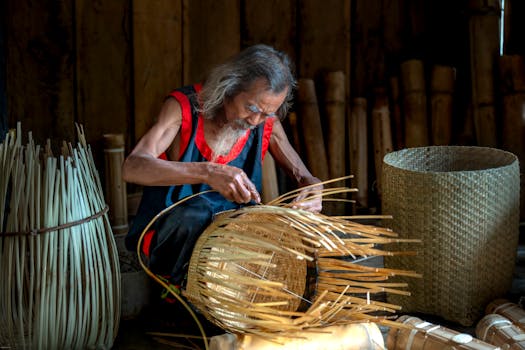
From Utility to Art: Stories Behind Baskets and the Influence of Tradition and Culture
Throughout history, baskets have been more than mere vessels for carrying and storing goods. In every corner of the globe, basketry is a living testament to the ingenuity and identity of diverse communities. The stories behind baskets are woven with threads of tradition, culture, and adaptation. This article explores how tradition and culture shape basket design, revealing the fascinating narratives embedded in these everyday objects.
The Role of Baskets in Community Life
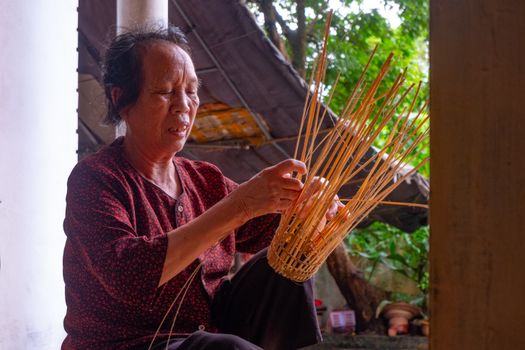
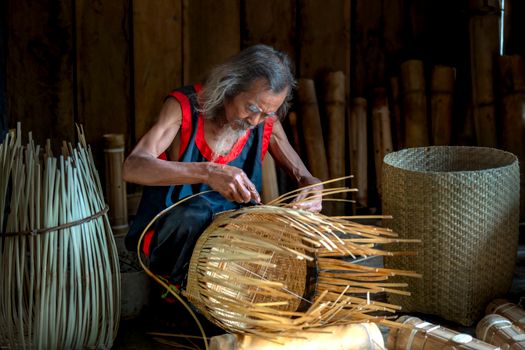
Baskets are among the oldest human-made artifacts, dating back at least 10,000 years. Their enduring presence is not just about utility, but also about their deep roots in social and cultural practices. In many societies, the act of weaving baskets is as important as the objects themselves, representing community cooperation, generational teaching, and even spiritual beliefs.
In West Africa, for example, basket weaving is often a communal activity, bringing together women to share stories, songs, and wisdom. In Japan, bamboo basket-making is regarded as an art form, with some families passing down secret techniques for hundreds of years. In Native American cultures, baskets embody clan identities and spiritual symbolism, with designs that tell stories of ancestors and the land.
The role of baskets goes beyond the practical. They are given as gifts in rites of passage, mark significant life events, and sometimes even serve as dowries or religious offerings. A 2018 UNESCO report highlighted that at least 120 ethnic groups worldwide consider basketry a core element of their cultural identity.
Design Shaped by Geography and Local Resources
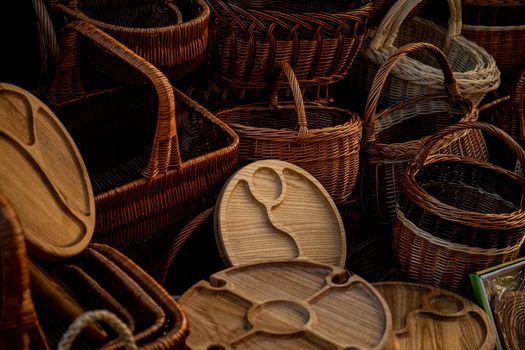
The designs and forms of baskets are inseparable from the environments in which they are made. Local resources dictate not only the materials available but also the weaving techniques and shapes that are possible. For example, the reed baskets of the Mississippi Delta differ dramatically from the willow baskets of rural England or the rattan baskets of Southeast Asia.
In the Philippines, the Ifugao people use bamboo and rattan to create rice storage baskets called "labba." Their conical shape helps shed rain, reflecting the region's tropical climate. Meanwhile, the Inuit of the Arctic, lacking access to pliable plant materials, ingeniously fashioned baskets from baleen (whalebone) and sinew.
A 2021 global survey found that 85% of traditional basket designs are directly influenced by the natural resources within a 50-mile radius of the makers’ communities. This intimate connection to the land ensures that baskets are perfectly adapted to local needs—whether carrying fish, storing grain, or collecting tea leaves.
Symbolism and Storytelling in Basket Patterns
Baskets are not just containers; they are canvases for cultural expression. The patterns and shapes woven into baskets often carry deep symbolic meaning, serving as a visual language through which communities tell their stories.
Among the Zulu of South Africa, intricate geometric patterns are woven into beer baskets, each motif representing a specific concept—prosperity, fertility, or ancestral protection. In the American Southwest, Hopi and Apache basket makers incorporate symbols such as the "whirlwind" or "rain cloud" to invoke blessings or commemorate historical events.
In Papua New Guinea, bilum bags are woven by women using traditional looping techniques. The patterns and colors signal clan affiliation, marital status, and even political messages. According to a 2020 ethnographic study, over 70% of indigenous basket designs worldwide contain identifiable symbolic motifs.
Techniques Passed Down Through Generations
The art of basket weaving relies on the transfer of knowledge from one generation to the next. Traditional techniques are often learned through observation and practice, with elders teaching children the precise skills needed to harvest, prepare, and weave materials.
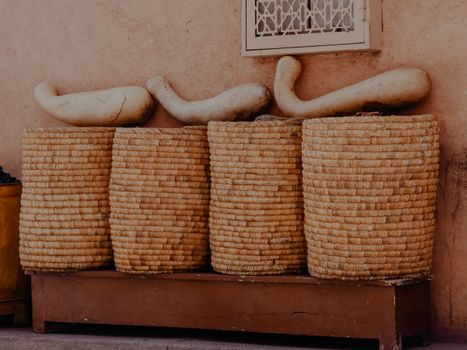
In parts of Morocco, the tradition of basket weaving is so entrenched that local dialects possess unique vocabulary for each step of the process. In the United States, the Gullah people of South Carolina have preserved the art of sweetgrass basketry for over 300 years, despite the pressures of modernization. They credit their survival to the oral transmission of both technique and meaning, ensuring the continuity of their heritage.
A 2016 study from the Journal of Material Culture found that communities with strong basket weaving traditions also exhibited higher levels of intergenerational cohesion and cultural resilience. This speaks to the powerful role that craft plays in cultural survival.
Comparing Basket Traditions Around the World
While the diversity of basketry is immense, comparative studies reveal common themes and intriguing differences in how tradition and culture shape their design. The table below highlights key features of basket traditions from five distinct cultures:
| Region/Culture | Primary Materials | Typical Uses | Distinctive Features | Symbolic Elements |
|---|---|---|---|---|
| Zulu (South Africa) | Ilala palm, grasses | Beer storage, gifts | Geometric patterns, tight coil | Fertility, prosperity motifs |
| Japanese (Ibaraki prefecture) | Bamboo | Flower arranging, tea ceremonies | Openwork, fine plaiting | Seasonal symbolism, nature |
| Native American (Pomo, California) | Willow, sedge root, bulrush | Gathering, ceremonial use | Feather and bead embellishments | Storytelling, spiritual symbols |
| Moroccan Berber | Palm leaves, wool | Grain storage, market use | Colorful dyed patterns, lids | Tribal identity, protection |
| Ifugao (Philippines) | Bamboo, rattan | Rice storage, carrying goods | Conical shape, sturdy weave | Harvest rituals, clan marks |
This comparison illustrates how the interplay of environment, tradition, and social structure results in baskets that are both universally functional and uniquely expressive.
Cultural Change and the Evolution of Basket Design
As societies change, so too do their baskets. Migration, trade, and globalization have all influenced basketry, introducing new materials, styles, and even commercial opportunities. Yet, many communities strive to maintain a balance between innovation and tradition.
In Guatemala, Mayan basket makers now incorporate recycled plastic strips alongside traditional grasses to create vibrant market baskets, responding to both ecological concerns and consumer demand. In Norway, Sámi reindeer herders have adapted ancient birch bark basket forms for contemporary uses, such as picnic hampers and art pieces.
The economic value of basketry is significant. A 2022 World Bank report estimated that the global market for handcrafted baskets exceeded $1.2 billion, supporting hundreds of thousands of artisans. However, some traditional forms are endangered, as younger generations move to cities or shift to other professions.
Efforts to document, teach, and revive basket traditions are underway worldwide, often blending historical authenticity with modern design. This ensures that the stories behind baskets continue to evolve, reflecting both continuity and change.
Preserving Basket Narratives for Future Generations
Baskets are more than artifacts; they are living records of human creativity, adaptation, and identity. Preserving the stories behind baskets means supporting the artisans who make them, protecting access to traditional materials, and ensuring that knowledge is passed on.
Museums, cultural centers, and online platforms now play a crucial role in showcasing basketry. The British Museum, for example, houses over 2,000 baskets from more than 100 countries, each with detailed provenance stories. Online initiatives, such as the Digital Basketry Archive, allow weavers to share patterns, oral histories, and innovations with a global audience.
Education is also key. In Kenya, the Kisii Basket Weaving Project partners with schools to teach children not only the skills of weaving but also the cultural stories behind each motif. Such initiatives ensure that the next generation appreciates the deeper significance of baskets beyond their practical uses.