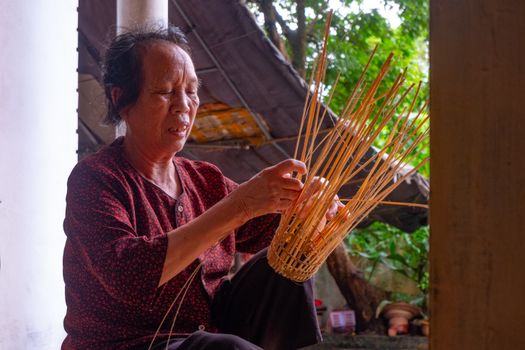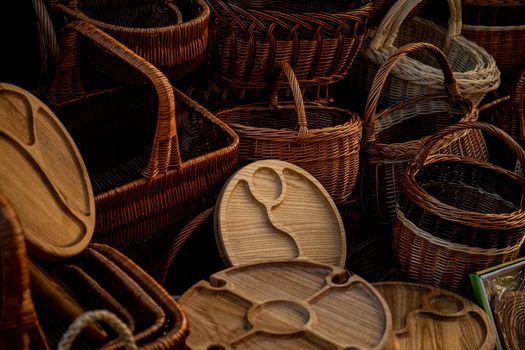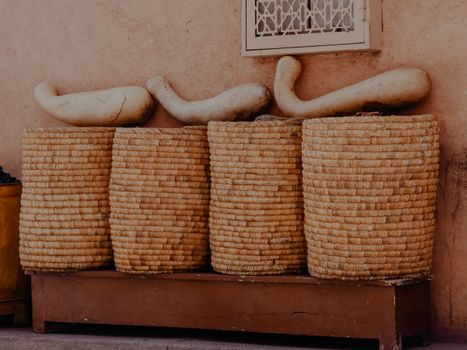
Basket weaving is an art form that has endured for thousands of years, blending creative expression with practical function. For beginners, the journey into basket weaving can be both exciting and a bit overwhelming—especially when it comes to choosing the right materials. The material you select will affect not only the look and feel of your finished basket but also its strength, durability, and suitability for different uses. Whether you’re drawn to the earthy hues of natural fibers or the uniformity of manufactured reeds, understanding your options is the crucial first step to success.
This guide will walk you through everything you need to know about selecting materials for basket weaving as a beginner. We’ll break down the types of materials available, what to consider for your first project, how different materials behave, and tips for sourcing and preparing them. By the end, you’ll be equipped to choose the right materials with confidence and start weaving baskets that are both beautiful and functional.
Understanding the Main Categories of Basket Weaving Materials
Before diving into your first project, it’s important to understand the basic categories of materials used in basket weaving. Broadly, these can be divided into natural and synthetic materials.
Natural materials have been used for centuries and are often prized for their authenticity, sustainability, and unique textures. These include:
- Reed (from rattan palms) - Willow - Cane - Bamboo - Grasses (such as sweetgrass or seagrass) - Pine needles - Raffia (from palm leaves)Synthetic materials, on the other hand, are usually manufactured from plastics or paper and offer consistency, bright colors, and often greater durability in wet conditions. Examples include:
- Plastic lacing (also called “gimp” or “lanyard”) - Synthetic raffia - Paper twistEach material has its own advantages, texture, flexibility, and learning curve. For beginners, it’s often easiest to start with a material that is widely available, easy to manipulate, and forgiving of mistakes—reed and rattan are among the most popular.
Key Factors to Consider When Selecting Materials
Your project’s success hinges on choosing the right material for your skill level and intended basket use. Here are the essential factors to keep in mind:
1. $1 The material should be flexible enough to weave but sturdy enough to hold shape. For first-time weavers, reed and rattan are ideal because they can be soaked in water to increase pliability. 2. $1 Reed and rattan are widely sold in craft stores and online, often in beginner weaving kits. Natural willow or pine needles might require more effort to source. Prices vary: a 1-pound coil of 2.5 mm rattan reed costs about $8-$15, while specialty materials like sweetgrass can be three times as expensive. 3. $1 If your basket will hold heavy items, choose a robust material like willow. For decorative baskets, more delicate options like raffia or pine needles may be suitable. 4. $1 Some people are sensitive to certain plant fibers or the dust from dried materials. Always check material descriptions and consider wearing gloves if you have sensitive skin. 5. $1 Natural materials are biodegradable and environmentally friendly, while synthetic options may last longer but are less sustainable.Popular Basket Weaving Materials for Beginners: A Closer Look
Let’s examine some of the most beginner-friendly basket weaving materials, their characteristics, and typical uses:
- $1 Rattan is a climbing palm native to tropical regions. Its outer layer (cane) and inner core (reed) are both used in basketry. Reed is smooth, flexible after soaking, and easy to shape. It’s widely available in various thicknesses, making it perfect for beginners. - $1 Willow branches are supple when fresh or soaked and can be woven into strong, durable baskets. Willow is often used in traditional European basketry, such as the English “stake and strand” method. It requires some practice to master the evenness of weaving. - $1 Pine needle baskets are coiled rather than woven, using long needles (6-12 inches) from species such as longleaf or slash pine. They produce elegant, lightweight baskets and are a great introduction to coiling techniques. - $1 Harvested from the raffia palm, this material is soft, pliable, and comes in natural or dyed colors. It is excellent for beginners due to its ease of use and vibrant appearance. - $1 Thin strips of bamboo are lightweight and strong. They are a bit stiffer than reed but can produce beautiful, sturdy baskets. - $1 These are made from plastic or paper but mimic the appearance of natural reed. They are waterproof, come in bright colors, and are ideal for outdoor baskets or if you want consistent results.Comparing Basket Weaving Materials: Strengths and Weaknesses
To help you visualize the differences, here is a comparison table highlighting key factors for popular basket weaving materials:
| Material | Ease of Use (1-5) | Availability | Durability | Cost (per lb) | Best For |
|---|---|---|---|---|---|
| Rattan Reed | 5 | High | Good | $8-$15 | Beginners, all-purpose baskets |
| Willow | 3 | Medium | Excellent | $10-$20 | Sturdy, functional baskets |
| Pine Needles | 4 | Medium | Fair | $12-$25 | Decorative, coiled baskets |
| Raffia | 5 | High | Fair | $10-$18 | Decorative, colorful baskets |
| Bamboo Splints | 3 | Low | Good | $15-$30 | Fine weaving, lightweight baskets |
| Synthetic Reed | 5 | High | Excellent | $10-$18 | Outdoor, waterproof baskets |
How to Source and Prepare Basket Weaving Materials
For beginners, the easiest way to start is by purchasing pre-prepared materials from a reputable craft store or online retailer. However, as you gain experience, you might want to explore harvesting and preparing your own materials.
- $1 Kits are available that include pre-cut and sized reed, cane, or raffia, often with instructions. This is the fastest route for beginners and ensures consistent quality. - $1 If you prefer a hands-on approach, consider foraging for willow, pine needles, or native grasses. Always check local regulations and harvest sustainably—never take more than a third of what’s available in any area. - $1 Most natural materials need to be soaked before weaving. For example, reed should be submerged in warm water for about 15-30 minutes to become pliable. Willow may require several hours of soaking, especially if it’s dried. Pine needles should be washed and soaked for a few hours to soften them.Proper preparation prevents cracking or splitting and gives you the control needed to shape your basket successfully.
Choosing the Right Material for Your First Basket Project
For your first basket, simplicity is key. A round or square reed basket is an excellent starting point. Here’s why reed is the top recommendation:
- $1 Reed is uniform in thickness and texture, making it predictable and easy to handle. - $1 It’s widely sold in most craft stores and online, often in beginner-friendly kits. - $1 Reed can be soaked and reshaped if mistakes are made, and it’s strong enough to withstand beginner errors.Once you’ve mastered basic weaving techniques with reed, you can experiment with other materials such as raffia for color, willow for traditional European methods, or pine needles for decorative coiling.
Caring for and Storing Your Basket Weaving Materials
The way you store and care for your materials affects their longevity and performance:
- $1 Store natural materials in a cool, dry place to prevent mold. If you live in a humid climate, use airtight containers. - $1 Prolonged exposure to sunlight can dry out and weaken fibers, especially raffia and reed. - $1 Only soak the amount of material you will use in a session. Over-soaking can weaken fibers. - $1 Some natural fibers can attract insects. Inspect your materials regularly and store them off the ground.Proper care ensures your materials stay fresh and ready for your next project.
Final Thoughts on Selecting Basket Weaving Materials for Beginners
Selecting the right materials is the foundation of a rewarding basket weaving experience. By starting with easy-to-handle and widely available materials like rattan reed, beginners can focus on mastering fundamental weaving techniques. As your skills grow, exploring new materials will open up endless creative possibilities, each offering its own unique look, feel, and tradition.
Remember, the best material for your project is the one that matches your skill level, is readily available, and excites your creativity. With the right choice, your first baskets will not only be beautiful but will provide a strong foundation for a lifelong craft.