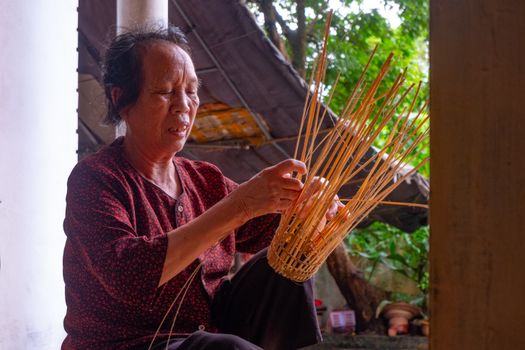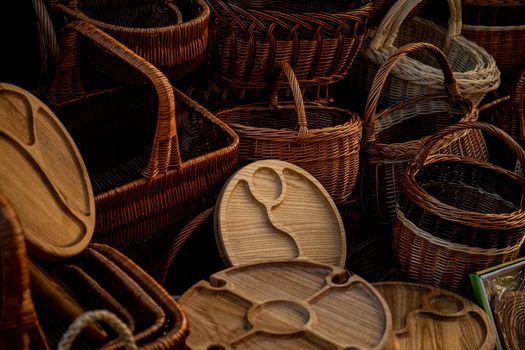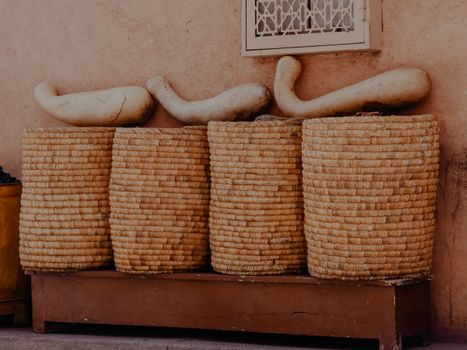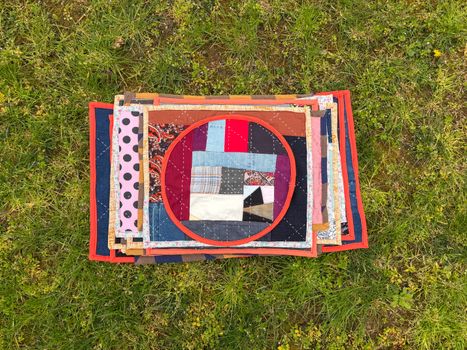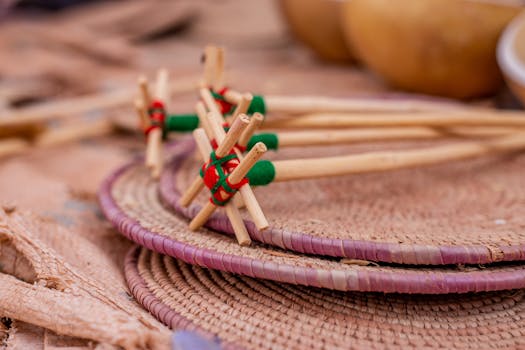
Basketry is one of humanity’s oldest crafts, a testament to creativity and resourcefulness. But beyond the foundational skills and traditional patterns lies a vibrant world of personal expression. Today, basket makers across the globe are redefining what it means to weave, blending heritage techniques with contemporary flair to create baskets that are truly one-of-a-kind. What separates a memorable, stylish basket from a merely functional one? The answer lies in the secrets of successful basketry: developing your own style and design. Whether you are a hobbyist or an aspiring artisan, unlocking these secrets can transform your work from simple craft into distinctive art.
The Evolution of Basketry: From Tradition to Personal Expression
For centuries, basketry followed region-specific traditions. From the coiled pine needle baskets of the American Southeast to the willowwork of Europe, style was dictated by local materials and tribal or community needs. However, as globalization and digital sharing have expanded our horizons, basket makers now find inspiration far beyond their immediate surroundings. According to a 2021 survey by the National Basketry Organization, 68% of makers said they regularly incorporate ideas or motifs from outside their own culture or region.
This evolution has led to a fascinating blend of the old and the new. While traditional techniques remain the foundation, artists now experiment with color palettes, materials, and patterns. As a result, developing your own basketry style is less about breaking rules and more about understanding tradition well enough to innovate confidently.
Fundamentals of Basketry Design: Color, Shape, and Texture
Every successful basket stands out because of three primary design elements: color, shape, and texture. Mastery of these aspects allows you to move beyond copying patterns and start creating a signature look.
Color: Historically, baskets were made in the natural hues of reeds, willows, or grasses. Today, natural dyes, synthetic colors, and even painted elements are common. For example, the use of vibrant aniline dyes has doubled in popularity among North American basket makers since 2010. Choosing a unique color scheme—whether it’s subtle earth tones or bold, contrasting bands—can instantly set your baskets apart.
Shape: While round and oval baskets remain popular, modern artisans frequently experiment with asymmetrical forms or geometric lines. Incorporating unexpected shapes can turn a utilitarian object into a sculptural piece.
Texture: Combining materials or altering weaving techniques gives baskets tactile appeal. Try mixing soft and hard fibers, or integrating found objects like shells or beads, to create depth and interest.
Developing Your Signature Style: Practical Strategies
Finding your unique voice in basketry is a journey, not a quick fix. Here are proven ways to cultivate your own design style:
1. Keep a Visual Journal: Document every design that catches your eye, from museum pieces to nature patterns. Over time, you’ll notice recurring themes that resonate with you. 2. Experiment with Materials: According to “Fiber Art Now” magazine, over 40% of professional basket makers in 2022 reported using at least three different materials in a single basket. Don’t limit yourself to traditional reeds or willows. Try seagrass, paper, fabric strips, or even upcycled wires. 3. Play with Scale: Make a miniature version of a classic basket, or go oversized for dramatic effect. Large statement baskets are increasingly popular in home décor—sales of decorative oversize baskets rose by 28% in the US between 2019 and 2023. 4. Set Creative Challenges: Give yourself design prompts, like “only use blue and yellow” or “make a basket inspired by a city skyline.” These constraints often spark innovative ideas. 5. Seek Feedback and Collaboration: Join local or online basketry groups. Sharing your work and discussing others’ techniques can help you refine your own style.Comparing Basketry Materials: Traditional vs. Contemporary Choices
Choosing the right material is crucial in supporting your design vision. Here’s a comparison of popular basketry materials, highlighting their properties and creative potential:
| Material | Origin | Best For | Unique Features | Limitations |
|---|---|---|---|---|
| Rattan | Tropical Asia | Durable baskets, furniture | Strong, flexible, takes dye well | Imported, can be expensive |
| Willow | Europe, North America | Traditional forms, outdoor use | Classic look, renewable resource | Seasonal availability, needs soaking |
| Seagrass | Coastal regions worldwide | Textured, eco-friendly designs | Natural color variation, lightweight | Less rigid, less durable for heavy use |
| Pine Needles | North America | Coiled basketry, intricate designs | Delicate texture, aromatic scent | Time-consuming, brittle if dry |
| Recycled Paper | Global | Modern, eco-conscious projects | Custom color, upcycling appeal | Not water-resistant, less strong |
| Wire | Global | Mixed-media, sculptural forms | Holds shape, industrial aesthetic | Can be hard on hands, requires tools |
Mixing materials or using them in unconventional ways is a hallmark of modern basketry design. For example, some artists weave brightly colored telephone wire with traditional grasses in South Africa, creating eye-catching fusion baskets sold worldwide.
Innovative Techniques to Make Your Baskets Stand Out
Beyond materials and color, the techniques you employ can elevate your basketry. Some of the most successful basket artists are those willing to experiment and adapt.
Layered Weaving: Try weaving multiple layers, such as an openwork outer shell with a tightly coiled core. This provides structural interest and can play with light and shadow.
Incorporating Negative Space: Don’t feel compelled to fill every gap. Openwork or “lace” techniques are growing in popularity and allow for intriguing patterns.
Embellishments: Add visual and tactile interest with beads, feathers, or embroidery. According to the Craft Industry Alliance, sales of basketry embellishments grew 18% in the US in 2022, reflecting a growing trend for personalized decoration.
Hybrid Forms: Merge basketry with other crafts, such as macramé or felting, to create hybrid works. For example, combining weaving with ceramic bases or mixed-media sculpture can result in showstopping pieces.
Storytelling Through Design: Use your basket’s form and surface to tell a story. Some artists incorporate narrative motifs, initials, or pictorial symbols representing places, people, or events.
Finding Inspiration and Overcoming Creative Blocks in Basketry
Even the most experienced makers occasionally struggle with creative blocks. Here’s how to keep your basketry inspiration flowing:
Look Beyond Basketry: Seek ideas in architecture, nature, fashion, or even mathematics. For example, the Fibonacci sequence has inspired spiral basket patterns, while stained-glass windows have influenced color blocking.
Attend Exhibitions and Workshops: Seeing other artists’ work in person can be transformative. In 2023, attendance at basketry-focused exhibitions was up by 15% globally, signaling renewed interest and cross-pollination of ideas.
Travel and Cultural Exploration: If possible, travel to regions with rich basketry traditions. The diversity of techniques and motifs—such as the geometric patterns of Ghana’s Bolgatanga baskets or the pictorial imagery of Japanese bamboo work—can provide powerful inspiration.
Document Your Process: Keep a photo diary or sketchbook of your progress. Often, looking back on past attempts highlights patterns or ideas you hadn’t consciously noticed.
Allow for Failure: Not every experiment will succeed. Many contemporary basket artists report that their most innovative pieces emerged from happy accidents or failed prototypes.
Why Personal Style Matters in Modern Basketry
In today’s world, where mass production is the norm, a unique basket stands out as a symbol of individual artistry. Personalized baskets are in demand—not just at craft fairs but also in high-end design stores. According to a 2023 report from Handmade Market Trends, custom-designed baskets command prices up to 60% higher than standard models.
Moreover, developing your own style is fulfilling on a personal level. It transforms basketry from a technical exercise into a mode of self-expression, allowing you to communicate your perspective, values, and creativity through your work.
Whether you aspire to sell your baskets or simply want to take pride in your growing collection, cultivating a signature style is a journey worth taking. The most admired basket makers are those whose work is instantly recognizable—a product of both mastery and imagination.