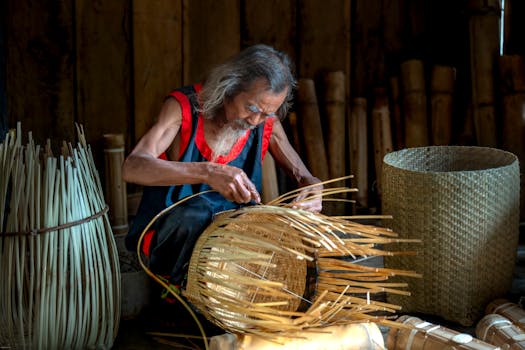
Baskets as Cultural Heritage: Why Is It Important to Protect Them?
Baskets may seem like simple, everyday objects, but their significance reaches far beyond their utilitarian function. Across continents and centuries, baskets have been intimately woven into the fabric of human culture. They are more than containers—they are vessels of tradition, memory, identity, and artistry. As societies modernize and globalize, however, the art and tradition of basket-making face unprecedented threats. Protecting baskets as cultural heritage is not just about preserving objects; it is about safeguarding the stories, skills, and identities that define communities. In this article, we delve into why basket heritage matters, the threats it faces, and what is at stake if we fail to protect this woven legacy.
The Deep Roots of Basketry in Human Civilization
Baskets represent some of humanity’s earliest technological achievements. Archaeological evidence places basketry as far back as 12,000 years ago, with ancient remnants found in Egypt, the Americas, and Asia. For example, the oldest known baskets, discovered in the Middle East, date to around 10,000 BCE—predating pottery by several thousand years.
Why do baskets appear so early in human history? The answer lies in their practicality and adaptability. Early humans used them for gathering, storing, and transporting food, seeds, and goods. Yet, beyond utility, baskets quickly became symbols of social status, ritual, and artistry. Distinct weaving techniques, patterns, and materials emerged across regions, each reflecting the environment and culture of its makers.
In Native American societies, for instance, basket designs often encoded tribal stories, spiritual beliefs, and social hierarchies. In Japan, ikenobo flower arranging (ikebana) traditionally uses bamboo baskets, turning everyday objects into works of art. In Africa, coiled baskets from Rwanda and Botswana are decorated with geometric patterns that signify clan, marriage, or historical events.
Baskets, in essence, are tangible records of human ingenuity and adaptation. Each one is a snapshot of local resources, knowledge, and aesthetics passed down through generations.
Threats to Basketry Traditions in the 21st Century
Despite their enduring appeal, basket-making traditions worldwide are under threat. Modernization, urbanization, and industrialization have eroded the social and economic foundations of basketry. Here are some of the most pressing challenges:
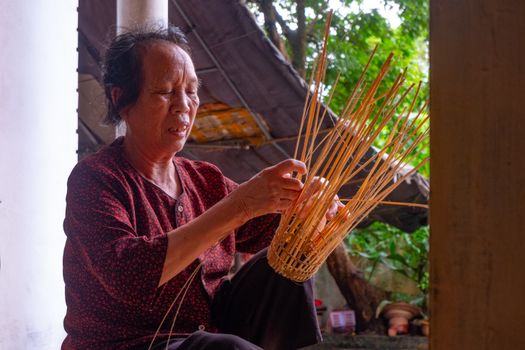
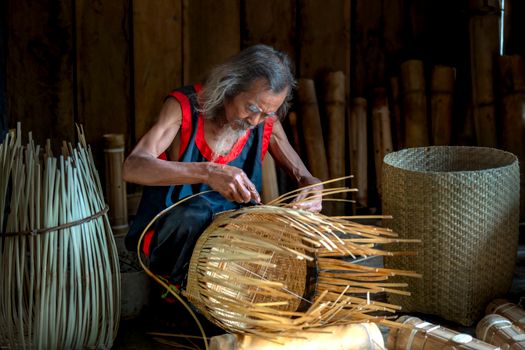
1. $1: As younger generations move to cities and pursue different livelihoods, fewer people learn the intricate techniques of their ancestors. In many communities, master basket weavers are elderly, with no apprentices to inherit their skills. 2. $1: Basketry relies on specific plants—willow, bamboo, sweetgrass, palm leaves. Deforestation, habitat loss, and climate change have made these resources scarce or inaccessible in many regions. For instance, in the United States, sweetgrass used by Gullah basket makers is increasingly threatened by real estate development and rising sea levels. 3. $1: Cheap, mass-produced baskets from factories often displace handmade baskets in local markets. Traditional hand-woven baskets, which can take days or weeks to complete, cannot compete with the low prices of factory goods. 4. $1: As societies modernize, traditional crafts may be seen as old-fashioned or irrelevant. Without recognition of their cultural value, basketry traditions fade from collective memory.The stakes are high: when a basket tradition disappears, it is not just an object lost, but an entire way of seeing, making, and connecting with the world.
Baskets as Expressions of Identity and Community
Baskets are not merely artifacts; they are expressions of identity and belonging. In many cultures, the act of weaving is a communal activity that binds people together. Patterns, colors, and shapes often signify membership in a particular tribe, family, or community.
In the Philippines, the intricate banig mats and baskets are woven by women who gather to share stories, songs, and news as they work. In Ethiopia, the tradition of making mesob baskets—large, lidded containers used for serving food—remains central to communal meals and celebrations.
Basketry can also play a role in social cohesion and resilience. During periods of upheaval or migration, communities may carry their basketry techniques with them, preserving a sense of home and continuity. For example, after the transatlantic slave trade, African basket-weaving techniques influenced the development of sweetgrass baskets in the coastal southeastern United States, blending African, Native American, and European styles.
These woven objects are, in many ways, a language. They encode personal and collective histories, pass on ecological and technical knowledge, and assert cultural identity in the face of change.
Protecting Basketry: Approaches and International Efforts
Recognizing the importance of basketry as intangible cultural heritage, many organizations and governments have taken steps to protect and revitalize these traditions. The United Nations Educational, Scientific and Cultural Organization (UNESCO) plays a leading role in this effort. UNESCO’s 2003 Convention for the Safeguarding of the Intangible Cultural Heritage encourages the documentation, recognition, and transmission of traditional crafts, including basketry.
Some specific protection strategies include:
- $1: Initiatives that support master weavers in teaching their craft to younger generations, often through workshops, apprenticeships, and school programs. - $1: Projects that restore and protect the natural habitats essential for basket-making materials. An example is the restoration of sweetgrass habitats in South Carolina to support Gullah basket weavers. - $1: Granting traditional baskets legal status as cultural heritage, which can provide funding, marketing support, and protection against imitation or exploitation. - $1: Creating opportunities for artisans to sell their baskets at fair prices, both locally and internationally, helps ensure the economic viability of the craft.Below is a table comparing different strategies to protect basketry traditions:
| Protection Strategy | Description | Example | Impact |
|---|---|---|---|
| Community Workshops | Teaching youth traditional weaving skills | Basket weaving classes in Oaxaca, Mexico | Transmission of knowledge, increased youth participation |
| Resource Conservation | Protecting plant species used for basketry | Sweetgrass restoration in South Carolina | Sustainable material supply, habitat preservation |
| Legal Recognition | Granting heritage status to basket traditions | UNESCO listing for Vanuatu’s basket weaving | Increased funding, global awareness |
| Fair Trade Initiatives | Facilitating artisan access to ethical markets | Ten Thousand Villages basket sales | Economic empowerment, craft sustainability |
These diverse approaches highlight that protecting basket heritage requires collaboration among artisans, communities, policymakers, and consumers.
The Role of Museums and Documentation
Museums and cultural institutions play a vital role in preserving basketry heritage. By collecting, displaying, and interpreting baskets, these institutions help educate the public about their historical and cultural significance.
For instance, the Smithsonian Institution in Washington, D.C., holds over 7,000 baskets from around the world, many of which are featured in exhibitions and educational programs. Similarly, the British Museum houses baskets from ancient Egypt, Asia, and indigenous Australia, providing insight into global basketry traditions.
Documentation is another crucial tool for preservation. High-resolution photography, video interviews with artisans, and digital archives ensure that the techniques and meanings behind baskets are recorded for future generations. Projects like the Digital Basketry Archive, launched in 2018, have begun cataloging thousands of basket types, weaving patterns, and oral histories online.
While museums cannot replace living traditions, they can serve as bridges between past and present, inspiring new generations to value and revive basket-weaving.
Baskets in Contemporary Culture and Economic Development
Basketry is not just a relic of the past—it continues to inspire and sustain communities today. In many regions, baskets have become symbols of local pride and economic opportunity. Artisans who preserve traditional techniques while innovating with contemporary designs often find success in the global marketplace.
According to a 2022 report by the World Crafts Council, handmade basket exports generated over $200 million worldwide, with significant contributions from countries like India, Kenya, and Indonesia. These industries provide vital income for rural communities, especially women, who make up the majority of basket weavers globally.
Contemporary artists also draw on basketry traditions to address social, environmental, and political themes. For example, American artist Ed Rossbach used traditional weaving techniques to create modern sculptures, challenging perceptions of craft and fine art.
Such examples show that baskets, when protected and valued, can be powerful vehicles for creativity, economic resilience, and cultural dialogue.
Safeguarding Basket Heritage for Future Generations
The protection of basketry is not just about preserving beautiful objects—it is about ensuring the survival of living cultures, knowledge systems, and identities. As the world faces rapid change, the humble basket reminds us of our deep-rooted connection to nature, community, and creativity.
Whether through education, conservation, legal recognition, or fair trade, every effort to protect basketry is an investment in human heritage. By valuing and supporting traditional basket-makers, we help ensure that the art, stories, and skills woven into each basket endure for generations to come.