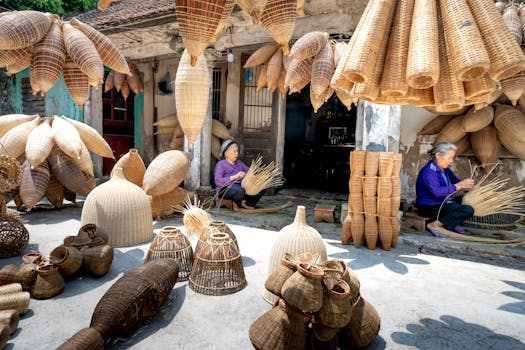
The Influence of Regional Materials on the Design of Traditional American Baskets
Basket making is one of the oldest crafts in the United States, with a history that stretches back thousands of years. While basket weaving techniques are shared across many cultures, the design and function of traditional American baskets have always been deeply influenced by the regions in which they were created. The choice of materials—shaped by geography, climate, and local flora—has determined not only how baskets were made, but also their form, durability, and the cultural significance attached to them. Understanding how regional resources have impacted American basketry offers fascinating insights into both the craft itself and the diverse landscapes of the United States.
How Geography Shapes Basketry: From Forests to Wetlands
The vast expanse of the United States, from dense forests to arid deserts and lush wetlands, provides basket makers with a wealth of natural resources. Each region boasts its own unique set of plant materials, leading to distinctive basket styles:
- In the Pacific Northwest, towering cedar and spruce trees provide bark and roots prized for their strength and flexibility. - The Southeastern United States, rich in sweetgrass and pine, produces coiled baskets with a sweet aroma and intricate patterns. - In the Northeast, black ash and brown ash trees thrive in swampy areas, with their splints split and prepared for weaving. - The arid Southwest relies on willow, sumac, yucca, and devil’s claw, each lending unique color and texture to the baskets of the region.This interplay between environment and artistry means that a basket from Maine looks and feels profoundly different from one crafted in Arizona. The materials not only dictate the basket’s appearance and structure, but also its traditional uses—whether for collecting berries, carrying fish, or storing seeds.
Case Studies: Iconic Regional Baskets and Their Materials
Examining specific American baskets reveals how regional materials have been transformed into objects of utility and beauty:
- Pacific Northwest Cedar Bark Baskets: The Haida, Tlingit, and Salish peoples use red and yellow cedar bark. Cedar is abundant along the coast and is highly valued for its water resistance, making it ideal for storage and cooking baskets. The bark is carefully stripped and softened before weaving. - Appalachian White Oak Baskets: In the southern Appalachians, white oak is split into thin, resilient strips. These baskets, traditionally used for gathering crops, are known for their strength and durability, qualities directly tied to the properties of the white oak. - Gullah Sweetgrass Baskets: Along the South Carolina and Georgia coasts, Gullah basket makers use sweetgrass, bulrush, pine needles, and palmetto. The resulting baskets are tightly coiled and highly decorative, with a history tracing back to West African traditions. - Pomo Feather Baskets: In California, the Pomo people weave baskets with sedge root and bulrush, sometimes incorporating feathers and shells for ceremonial pieces. The use of vibrant materials found in their local environment elevates these baskets into works of art.These examples demonstrate how the availability and characteristics of regional materials have directly influenced the weaving techniques, shapes, and even the societal roles of baskets within different communities.
Regional Materials: A Comparative Overview
To better understand the diversity of materials and their impact, the following table compares the primary materials and basket characteristics across four major American regions:
| Region | Primary Materials | Basket Type | Typical Use | Distinctive Features |
|---|---|---|---|---|
| Pacific Northwest | Cedar bark, spruce roots | Twill-plaited, twined | Food storage, gathering, cooking | Water resistance, geometric patterns |
| Southeast (Gullah) | Sweetgrass, pine needles, palmetto | Coiled | Food preparation, decoration | Spiral designs, aromatic scent |
| Northeast | Black ash, brown ash | Spline and splint | Berry picking, storage | Lightweight, tight weave |
| Southwest | Willow, sumac, yucca, devil’s claw | Coiled, twined | Seed storage, ceremonial | Natural color contrasts, intricate patterns |
This diversity reflects not only the resourcefulness of basket makers, but also the adaptation of the craft to both local needs and environmental conditions.
The Role of Material Properties in Basket Function and Aesthetics
Every basket begins with a careful selection of materials, but the properties of these materials profoundly influence the final product. For example:
- Flexibility: Cedar bark and willow branches are favored for their flexibility, allowing for tight weaving and rounded shapes. - Strength: White oak and ash splints are strong and durable, ideal for baskets intended to carry heavy loads. - Color and Texture: The natural hues of sweetgrass, pine needles, and devil’s claw create visual interest and allow for patterned designs without the need for artificial dyes. - Scent: Some materials, like sweetgrass and pine needles, impart a pleasant aroma, adding an extra sensory dimension to the basket.In many traditions, the choice of materials is also symbolic. For instance, the use of certain plant fibers may be linked to seasonal cycles, spiritual beliefs, or community identities. This marriage of function and meaning is a hallmark of traditional American basketry.
Environmental Change and the Future of Regional Materials
While traditional basketry is rooted in local materials, the availability of these resources is not guaranteed. Overharvesting, habitat loss, invasive species, and climate change threaten many of the plants relied upon by basket makers. For example, the emerald ash borer, an invasive beetle, has devastated millions of ash trees in the Northeast and Midwest, endangering the centuries-old tradition of ash basketry.
Some communities and organizations are fighting back by:
- Planting and stewarding traditional basketry plants, such as sweetgrass and black ash, to ensure future supplies. - Advocating for the protection of wetlands and forests critical to basketry materials. - Experimenting with alternative or sustainable materials, while striving to maintain traditional techniques and aesthetics.In certain regions, the adaptation of new materials—such as recycled fibers or cultivated plants—demonstrates the resilience and evolving nature of American basketry. However, the deep connection between place, material, and culture remains at the heart of the tradition.
Regional Materials as Cultural Identity
Beyond practical considerations, the use of regional materials in baskets serves as a powerful marker of cultural identity. For many Native American nations, specific plants are tied to origin stories, spiritual practices, and communal life. The act of gathering, preparing, and weaving local materials is as much about maintaining a connection to land and ancestors as it is about creating functional objects.
For example, among the Passamaquoddy of Maine, the annual black ash harvest is a community event that reinforces social ties and traditional knowledge. Similarly, Gullah basket makers often pass down the art of sweetgrass gathering and coiling through generations, preserving both craft and culture.
Collectors and museums increasingly recognize the importance of provenance—the origin of materials—in authenticating and valuing traditional American baskets. Baskets made from local materials are seen not just as objects, but as living expressions of a people’s relationship with their environment.
Preserving the Legacy: Supporting Regional Basketry Today
As interest in traditional crafts grows, so does the realization that preserving basketry means supporting both the makers and the ecosystems that provide their materials. Efforts to ensure the survival of regional basket traditions include:
- Funding research on sustainable harvesting techniques and plant conservation. - Hosting workshops and festivals that celebrate regional basketry and educate about the importance of local materials. - Creating partnerships between indigenous communities, environmental organizations, and policymakers to protect key plant species and habitats.According to a 2021 survey by the American Craft Council, over 68% of basket makers cited the availability of traditional materials as their top concern for the future of their craft. By raising awareness and fostering stewardship, it is possible to ensure that the influence of regional materials on American basketry continues for generations to come.