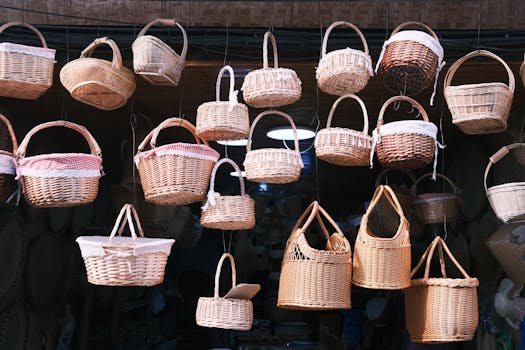
Collecting American traditional baskets is a journey into the artistry, history, and regional diversity that have shaped the United States. Unlike other crafts, baskets are woven with utility, symbolism, and stories, making them prized pieces for collectors and cultural enthusiasts alike. Whether you're drawn to the intricate patterns of Native American craftsmanship, the sturdy forms of Appalachian creations, or the colorful splendor of Shaker baskets, collecting provides a window into the nation's evolving identity. This guide will help you understand the landscape of American traditional baskets, what makes them collectible, how to identify authentic pieces, and practical steps for starting or expanding your collection.
The Diverse World of American Traditional Baskets
The United States is home to a rich tapestry of basket-making traditions, each influenced by regional materials, cultural heritage, and historical context. For collectors, understanding these differences is fundamental to appreciating and assembling a meaningful collection.
Native American tribes, such as the Cherokee, Navajo, and Pomo, have woven baskets for thousands of years, using local reeds, grasses, and bark. Each tribe developed unique styles: the Pomo are renowned for their feathered and beaded baskets, while the Hopi are famous for their coiled plaques. Early settlers and communities, including the Shakers and Appalachian craftspeople, contributed their own forms, often emphasizing function and durability.
By the late 19th century, basket-making had become both a domestic necessity and a commercial enterprise. According to the Smithsonian Institution, over 200 distinct Native American basketry traditions are recognized in North America today. For collectors, this diversity means an abundance of styles, materials, and stories to explore.
What Makes a Basket Collectible?
Not every basket holds equal value in the eyes of collectors. Several factors contribute to a basket's desirability and worth:
- $1: Older baskets, especially those made before 1900, tend to be more valuable due to their rarity and historical significance. - $1: Baskets in excellent condition—without broken splints, fading, or repairs—fetch higher prices. However, some wear may be expected in very old pieces. - $1: Baskets with documented origins, particularly those linked to notable artists or tribes, are especially sought after. - $1: The use of rare materials (such as river cane or sweetgrass) and advanced weaving techniques (like double-weaving or feather overlay) often indicates a high-quality collectible. - $1: Unique patterns, vibrant colors, and artistic design elevate a basket's desirability.As an example, a fine 19th-century Pomo feather basket in pristine condition can sell for over $10,000 at auction, while a simple early 20th-century Appalachian market basket might fetch $100–$300.
Identifying and Authenticating Traditional Baskets
With the increasing interest in basket collecting, reproductions and misattributions have become more common. Learning to authenticate baskets is a crucial skill for any collector.
Start by examining the materials. Native American baskets often use indigenous materials such as willow, sumac, or yucca, while Shaker baskets are typically made from ash or oak. Study the weaving pattern—fine, even stitches and symmetrical designs are hallmarks of authentic craftsmanship.
Look for signs of age, such as patina or subtle wear, but beware of artificially aged pieces. The scent of natural materials and the feel of hand-woven texture are difficult to replicate in mass-produced items.
Documentation, such as receipts, photographs, or written histories, can provide valuable provenance. When in doubt, consult with reputable dealers or appraisers, and use resources like the Museum of Indian Arts & Culture database or books such as "Baskets: Masterpieces of Native American Basketry" by Allan Hayes.
Starting Your Collection: Practical Steps
Building a collection of American traditional baskets is both rewarding and attainable, whether you're starting with a modest budget or seeking investment-grade pieces. Here are some steps to consider:
1. $1: Begin by educating yourself about different styles, regions, and artists. Visit museums, read specialized books, and attend exhibits. The Heard Museum in Phoenix, Arizona, and the National Basketry Organization offer excellent resources. 2. $1: Decide if you want to collect broadly or specialize—perhaps in Cherokee river cane baskets, 19th-century Shaker baskets, or California mission baskets. 3. $1: Prices vary widely. According to a 2022 survey by LiveAuctioneers, 40% of Native American baskets sold at auction for under $500, while about 10% exceeded $2,000. 4. $1: Seek out established dealers, auction houses, and reputable online marketplaces. Avoid flea markets or unknown online sellers unless you have expertise. 5. $1: Document every purchase, including photographs, receipts, and any available history. This will be invaluable for future sales, insurance, or museum loans.Comparing Basket Types: A Collector’s Overview
To help you understand the range of American traditional baskets, here is a comparison table highlighting several prominent types:
| Basket Type | Region | Common Materials | Distinct Features | Typical Price Range (2023) |
|---|---|---|---|---|
| Pomo Feather Basket | California | Willow, sedge root, feathers, shells | Feather overlays, intricate patterns | $2,000–$15,000 |
| Cherokee Market Basket | Southeast US | River cane, white oak | Double-woven, geometric designs | $300–$1,500 |
| Shaker Carrier Basket | Northeast US | Ash, oak | Sturdy, utilitarian, clean lines | $200–$1,200 |
| Apache Olla Basket | Southwest US | Willow, devil’s claw | Coiled, water jar shape, symbolic motifs | $1,000–$8,000 |
| Appalachian Egg Basket | Southern Appalachia | White oak, hickory | Round, ribbed, functional | $100–$600 |
Preserving and Displaying Your Baskets
Once you’ve acquired traditional baskets, proper care is essential to maintain their beauty and value. Baskets are sensitive to humidity, temperature, and light. According to the American Institute for Conservation, a stable environment of 65-75°F and 40-60% relative humidity is ideal. Avoid placing baskets in direct sunlight, which can fade natural dyes and weaken fibers.
For display, use open shelving or glass cases that allow air circulation. To prevent distortion, avoid stacking baskets or placing heavy items inside them. If you must handle them, wash your hands beforehand or wear cotton gloves to avoid transferring oils that can break down organic materials.
Regular dusting with a soft brush is recommended, but avoid wet cleaning unless advised by a conservator. With proper care, baskets can last for centuries while retaining their natural allure.
Building Community: Connecting with Other Collectors
Collecting American traditional baskets is more than an individual pursuit—it’s a way to connect with others who share your passion. Joining organizations such as the National Basketry Organization or local historical societies can give you access to workshops, conferences, and exhibitions.
Online forums and social media groups offer valuable platforms for sharing finds, seeking advice, and learning from seasoned collectors. Attending regional craft fairs, tribal gatherings, or museum events not only broadens your knowledge but also supports the artisans and communities that keep these traditions alive.
According to the National Basketry Organization, membership has increased by 20% since 2020, reflecting a growing interest in both contemporary and traditional basketry.
Conclusion
Collecting American traditional baskets is a rewarding hobby that combines art appreciation, historical discovery, and cultural preservation. By understanding regional styles, learning to authenticate and care for baskets, and connecting with a broader community, collectors can build a collection that is both personally meaningful and historically significant. Whether you’re captivated by the artistry of Native American baskets or the rustic charm of Appalachian forms, there is a place for you in the vibrant world of basket collecting. Start with curiosity, proceed with care, and let each basket tell its story.