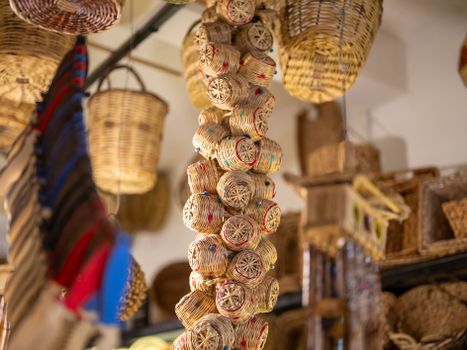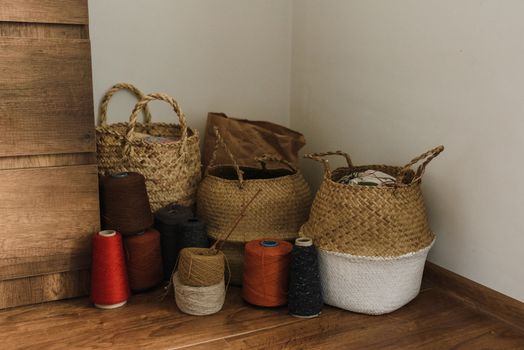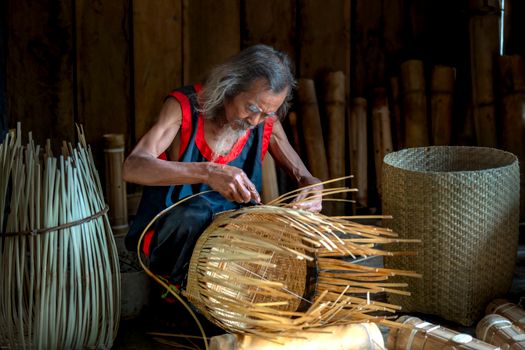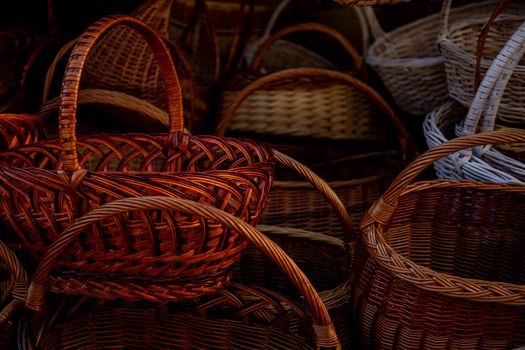
Every American traditional basket tells a story—of place, purpose, and the hands that wove it into existence. While these iconic crafts evoke images of rural charm and timeless utility, few appreciate the intricate journey from raw material to finished heirloom. To truly understand the value of these woven wonders, it's essential to step behind the scenes and discover the artistry, planning, and perseverance that go into making an authentic American traditional basket. From the gathering of natural materials to the final touches that distinguish a masterwork from a mass-produced imitation, this is a world where heritage meets hard work, and where every step is a testament to ingenuity and tradition.
The Roots: Sourcing and Preparing Basket Materials
The journey of an American traditional basket begins long before a single weave. It starts in forests, marshes, and fields where natural materials are carefully gathered. The choice of material not only defines the basket’s aesthetic but also its strength, flexibility, and longevity.
Historically, basket makers relied on what was locally available: black ash, white oak, river cane, sweetgrass, willow, and split hickory are just a few examples. Each material requires its own harvesting season and specialized preparation. For instance, black ash must be felled in late spring or early summer when sap flows easily, allowing the wood to separate into thin, pliable strips. In contrast, willow rods are often harvested in late autumn when leaves have fallen, ensuring maximum flexibility.
After harvesting, materials undergo a rigorous preparation process, often involving soaking, stripping, and splitting. For example, black ash logs are pounded with a mallet to separate the growth rings, which are then peeled off into splints. The process can take several days per log and requires substantial physical effort. According to the Smithsonian Center for Folklife and Cultural Heritage, it can take up to 8 hours just to process enough black ash splints for a single medium-sized basket.
Preparation doesn't end with splitting. Splints and rods are graded for thickness and width, ensuring even weaving and structural integrity. This step is crucial; inconsistencies lead to weak points or uneven patterns. Only after this painstaking process is complete does the weaving truly begin.
The Blueprint: Designing for Function and Tradition
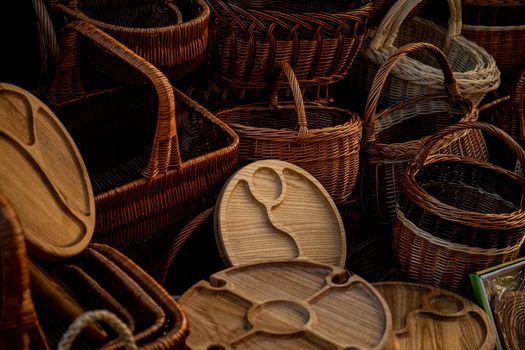
Before weaving starts, the basket maker must decide on the shape, size, and intended use of the basket. American traditional baskets were historically utilitarian, crafted for harvesting crops, collecting eggs, or storing goods. Each function demanded a specific form: the sturdy potato basket, the lightweight egg basket, the capacious market basket.
Designing a basket involves both artistry and engineering. The maker considers the strength needed to carry a bushel of apples versus the delicacy required for a berry basket. Proportions must be precise, as even a small miscalculation can distort the final product. In many traditions, basket makers use a simple wooden or cardboard mold, or even just a well-trained eye, to maintain uniformity.
Patterns and decorative elements are another layer of planning. Some designs, like the Cherokee double weave or the Shaker cathead base, are immediately recognizable and signal both regional heritage and technical mastery. Color, too, plays a role—natural dyes from walnut hulls, bloodroot, or pokeberry can be used to create distinctive stripes or motifs, each with cultural significance.
This meticulous planning phase ensures that the finished basket is both beautiful and functional, meeting the needs of its user while honoring generations of tradition.
The Weaving Process: Precision, Skill, and Patience
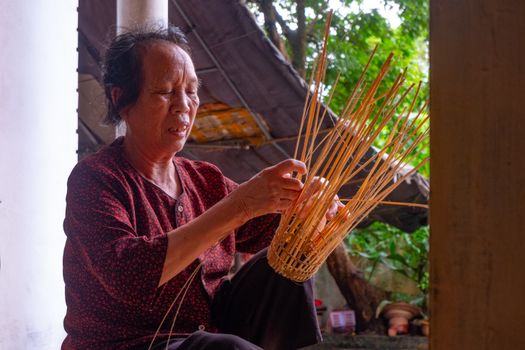
Weaving itself is a dance of hands and memory. It begins with the base, the literal and figurative foundation of the basket. For many American basket styles, the base is formed by arranging splints or rods in a radial pattern, anchoring them tightly to ensure stability. Some makers use a jig or mold, but many rely on experience to maintain symmetry.
As the sides rise, the weaver must maintain even tension to avoid bulges or weak spots. Each row of weft (horizontal strips) is woven over and under the stakes (vertical supports), following a specific pattern. In double-walled baskets, two layers are woven simultaneously, a feat that requires immense dexterity.
Mistakes are common, even for seasoned artisans. A misaligned weft or uneven stake can impact the basket’s durability and appearance. According to a 2022 survey by the American Craft Council, most traditional basket makers spend 20-30 hours on a medium-sized piece, with some complex forms taking upwards of 50 hours.
Finishing the rim is a moment of both relief and pride. The rim not only holds the basket together but also serves as an opportunity for ornamentation—braided or wrapped rims are a hallmark of many American traditions. Handles, if needed, are attached last, often using intricate lashing techniques that add strength and visual appeal.
Tools of the Trade: From Simple Blades to Traditional Molds
While the materials may be humble, the tools used in basket making are specialized and often handmade. The basic toolkit includes:
- Splitting knives and froes for separating wood fibers - Mallets for pounding logs (especially black ash) - Awls for piercing and guiding - Shears or snips for trimmingSome traditions use custom molds or jigs, especially for repetitive shapes. For example, Shaker basket makers often used wooden molds to maintain the precise oval or round forms that became their signature. A 2018 study by the Museum of Early Southern Decorative Arts found that over 70% of identified 19th-century Shaker baskets were made using such molds, ensuring consistency in their renowned nesting sets.
Other makers prefer freehand methods, relying on sight and touch to create unique, organic shapes. The choice of tools and techniques often reflects both cultural heritage and the individual artisan’s style.
Below is a comparative overview of materials and tools commonly used in American traditional basketry:
| Material | Region | Common Tools | Preparation Time |
|---|---|---|---|
| Black Ash | Northeast & Great Lakes | Mallet, Splitting Knife, Awl | 6-8 hours per log |
| White Oak | Appalachia, Southeast | Froe, Drawknife, Shears | 4-6 hours per log |
| Willow | West & Midwest | Pruning Shears, Knife | 2-3 hours per bundle |
| Sweetgrass | Lowcountry (South Carolina) | Scissors, Bone Awl | 1-2 hours per coil |
The Modern Basket Maker: Keeping Traditions Alive
While many American traditional baskets are now prized as collectibles or decorative objects, a new generation of basket makers is reviving old methods and adapting them for contemporary audiences. Workshops, artisan co-ops, and online tutorials have brought the craft to a broader audience, ensuring its survival.
The economic impact is significant. According to the National Basketry Organization, sales of handcrafted American baskets topped $9 million in 2023, with demand rising for pieces that emphasize sustainable materials and traditional techniques. Many makers now blend old and new, using traditional forms but experimenting with color, materials, or mixed-media accents.
Community is at the heart of this revival. Many Native American and Appalachian basket makers teach their skills in schools and cultural centers, preserving both technique and cultural stories. For example, the annual Cherokee Basketry Festival attracts over 3,000 visitors and includes live demonstrations, hands-on workshops, and historical exhibits.
These efforts not only keep traditions alive but also foster economic opportunities in rural and Indigenous communities, making basketry a living, evolving art form.
Challenges Behind the Craft: Conservation and Sustainability
Despite the resurgence in interest, making an American traditional basket is not without challenges. The biggest threat is the availability of raw materials. Invasive species, habitat loss, and climate change have decimated populations of black ash, white oak, and sweetgrass in many regions. The Emerald Ash Borer, for instance, has destroyed millions of ash trees across the Midwest and Northeast, threatening both the natural ecosystem and the crafts that depend on it.
Conservation efforts are underway, with organizations and tribes working to replant and protect vital resources. The U.S. Forest Service reports that in 2022, over 40,000 black ash seedlings were planted in affected areas as part of restoration projects. Basket makers themselves often participate in these efforts, advocating for sustainable harvesting practices and teaching the next generation about responsible stewardship.
Sustainability also extends to cultural preservation. Many traditional techniques risk being lost as older artisans retire. Efforts to document and share these methods through video, written guides, and apprenticeships are crucial for maintaining the craft’s legacy.
The Enduring Impact of American Traditional Basket Making
Stepping behind the scenes of making an American traditional basket reveals a world that is as complex as it is beautiful. Every basket is a product of careful planning, expert skill, and deep respect for tradition and nature. From the selection of materials to the final decorative flourish, the process is a testament to the resilience and creativity of American artisans.
Today’s basket makers honor the past while shaping a sustainable future, blending time-honored techniques with modern sensibilities. As interest continues to grow, these woven treasures remain more than just objects—they are vibrant symbols of cultural heritage, community, and the enduring power of craft.