Discovering the Steps to Create Your Own American Traditional Basket: A Hands-On Guide
Basket weaving is a living art form, passed down through generations and rooted in American history. Making your own traditional basket is more than a craft—it's a way to preserve culture, hone mindfulness, and create something uniquely your own. Whether you’re seeking a new hobby, a deeper connection to heritage, or simply a beautiful, functional item for your home, learning the steps to create your own American traditional basket can be a transformative experience. This guide will take you through the process, from understanding essential materials to mastering advanced techniques, ensuring your basket reflects both tradition and your personal touch.
The Heritage Behind American Traditional Basket Making
Before diving into the practical steps, it’s worth appreciating the rich background of American basketry. Indigenous peoples throughout North America have perfected the craft over millennia, using native materials like black ash, river cane, and sweetgrass. By the 1800s, European settlers adopted and adapted these techniques, giving rise to regional styles such as Shaker baskets in New England, Appalachian egg baskets, and Cherokee double-weave baskets.
Recent data from the American Craft Council indicates that over 250,000 Americans actively practice basket weaving, either as professionals or hobbyists. This resurgence highlights a growing appreciation for handmade, sustainable goods and a desire to reconnect with tactile traditions. When you follow the steps to create your own American traditional basket, you participate in this vibrant, evolving heritage.
Choosing the Right Materials: The Foundation of Your Basket
The materials you select profoundly impact your basket’s appearance, durability, and authenticity. Traditional American baskets are most often made from natural fibers, each with its own characteristics and cultural significance.
Some of the most popular materials include:
- Black Ash: Valued for strength and flexibility, often used in Northeastern and Great Lakes basketry. - White Oak: Common in Appalachian baskets, prized for its split-ability and resilience. - River Cane: Essential for Southeastern Native American baskets, offering lightness and pliability. - Sweetgrass: Known for its fragrant scent, used in Gullah and coastal baskets.In recent years, eco-conscious weavers have also embraced rattan and reed, which are more readily available and easier to work with for beginners.
To help you choose, here’s a comparison of common basket weaving materials:
| Material | Region/Tradition | Characteristics | Best For |
|---|---|---|---|
| Black Ash | Northeast, Great Lakes | Flexible, strong, smooth texture | Utility baskets, fine detail |
| White Oak | Appalachian | Sturdy, easy to split, rustic look | Egg baskets, market baskets |
| River Cane | Southeast, Native American | Lightweight, durable, natural hue | Storage baskets, decorative |
| Sweetgrass | South Carolina, Gullah | Fragrant, flexible, delicate | Coiled baskets, art pieces |
| Rattan/Reed | Modern/General | Accessible, affordable, easy for beginners | Practice, first-time projects |
When starting out, many beginners opt for reed or rattan kits, which are widely available and forgiving for novice hands. As your skills progress, you may wish to source local hardwoods or experiment with indigenous materials for a deeper connection to tradition.
Basic Tools and Workspace Setup for Basket Weaving
Creating your own American traditional basket requires only a few simple tools, most of which are affordable or can be improvised from household items. Having the right setup ensures a smoother, more enjoyable weaving experience.
Essential tools include:
- Sharp Shears or Pruners: For cutting and trimming splints or reeds. - Awl or Weaving Needle: To help tuck in ends and create space for weaving. - Measuring Tape: To ensure uniformity in your stakes and weavers. - Water Basin: Many natural materials must be soaked to maintain flexibility. - Clothespins or Clips: Useful for holding pieces in place as you weave.A flat, well-lit workspace is ideal. Cover your table with an old towel to catch drips from soaked materials. Keeping a spray bottle of water handy is also helpful, as drying splints can become brittle and prone to breaking.
A study by the National Basketry Organization found that 74% of basket weavers work from home, often using their kitchen tables or dedicated craft corners. The key is comfort and accessibility—so set up your workspace where you feel most at ease.
Step-by-Step Process: Weaving Your First American Basket
Now, let’s walk through the fundamental steps to create your own American traditional basket. While specific techniques can vary by style and region, most baskets follow a sequence of preparation, base creation, side weaving, shaping, and finishing.
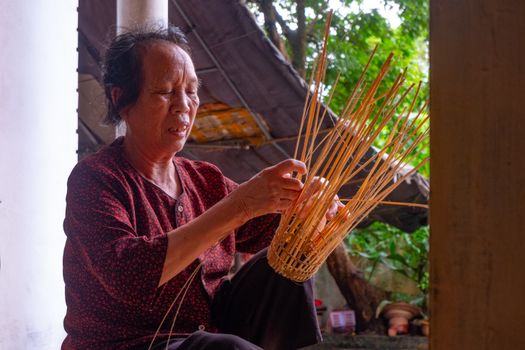
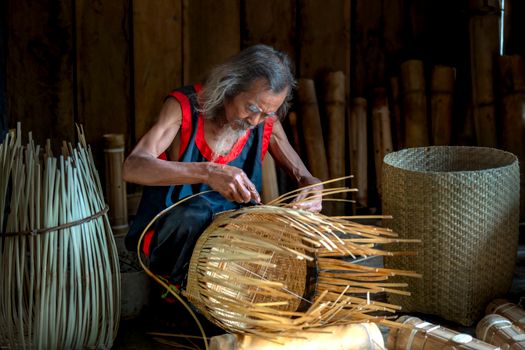
1. Preparing Your Materials Soak your splints, reeds, or canes in water for 10-30 minutes, depending on thickness. This makes them pliable and less likely to crack. For traditional woods like black ash or oak, you may need to pound and split logs into thin strips using specialized tools, but for beginners, pre-cut reed or splint kits are ideal. 2. Creating the Basket Base The base forms the foundation and determines the basket’s size and shape. - Lay out an odd number of stakes (vertical pieces) in a crisscross pattern. - Weave a weaver (horizontal piece) under and over the stakes, spiraling outward from the center. - Use clips to secure as you go, adjusting for symmetry.Most American baskets feature a round or oval base, but square or rectangular shapes are also traditional in some regions.
3. Weaving the Sides Once the base is the desired size, bend the stakes upward to form the basket’s sides. - Continue weaving new weavers in an over-under pattern, working your way up. - Pack the rows tightly together for strength and neatness. - Maintain even tension and periodically check for symmetry. 4. Shaping and Adjusting Traditional baskets often feature elegant curves or flared rims. - Use your hands to gently shape the basket as you weave, adjusting the angle of the stakes. - For a sharper flare, insert a mold (such as a bowl) inside the basket as you work. 5. Finishing the Rim A sturdy rim locks the structure in place and adds a decorative touch. - Fold the stake ends over the top row and tuck them into the weave below. - For extra strength, add a separate rim piece lashed with fine reed or fiber. 6. Adding Handles or Embellishments Classic American baskets often feature bentwood handles, leather straps, or decorative weaving patterns. - Attach handles by inserting them into the weave before finishing the rim. - Experiment with natural dyes or colored splints for personalized flair.On average, a simple round reed basket takes about 2-4 hours to complete, while more intricate designs may require 10 hours or more.
Preserving and Personalizing Your Finished Basket
Once your basket is complete, it’s important to care for it so it lasts for generations. Traditional baskets are surprisingly durable—some museum specimens have survived over 200 years—but proper storage and cleaning are key.
- Allow your basket to dry thoroughly away from direct sunlight. - Store in a cool, dry place to prevent mold or mildew. - Clean gently with a soft brush or damp cloth; avoid soaking or harsh cleaners.To personalize your basket, consider adding fabric liners, painting motifs, or weaving in beads and feathers. According to the Craft Yarn Council, 68% of crafters say that customizing projects increases their enjoyment and sense of accomplishment.
You can also document your process with photos or labels, preserving your basket’s story for future generations—a modern twist on an age-old tradition.
The Value of Learning American Basketry Skills
Taking the time to learn the steps to create your own American traditional basket offers benefits that go far beyond the finished product. Studies have shown that engaging in hands-on crafts can reduce stress, boost cognitive function, and promote a sense of accomplishment.
Moreover, by participating in this craft, you help keep a vital piece of American heritage alive. Workshops and community basket-making events are on the rise, with over 1,500 such gatherings reported in the U.S. in 2023 alone. Whether you make baskets for practical use, as gifts, or simply for artistic expression, you join a nationwide community bound by creativity and respect for tradition.