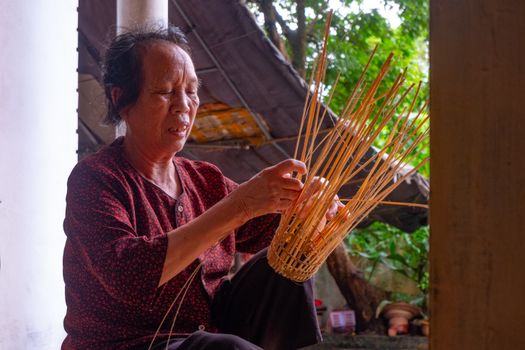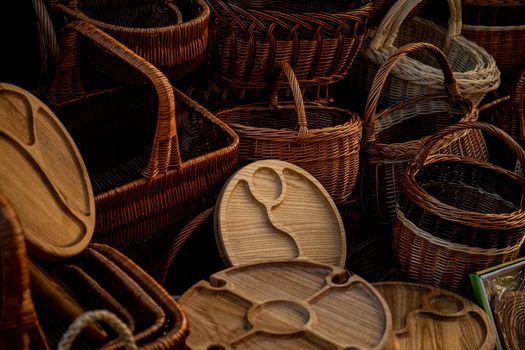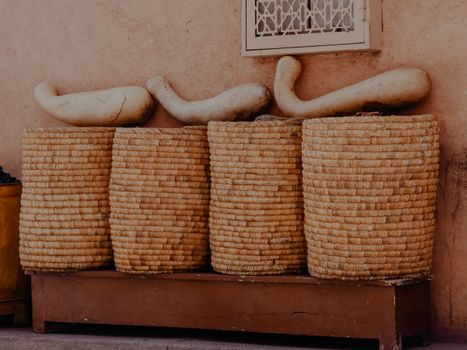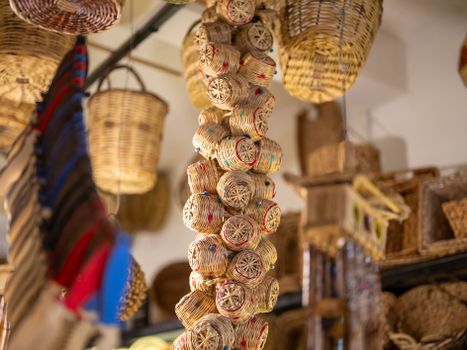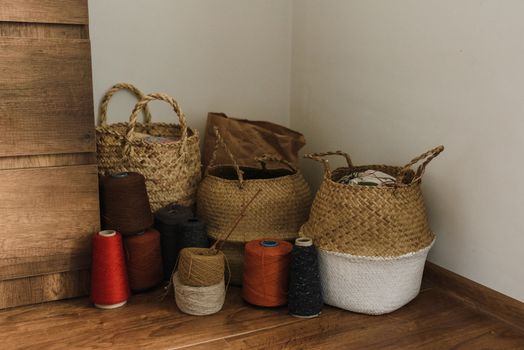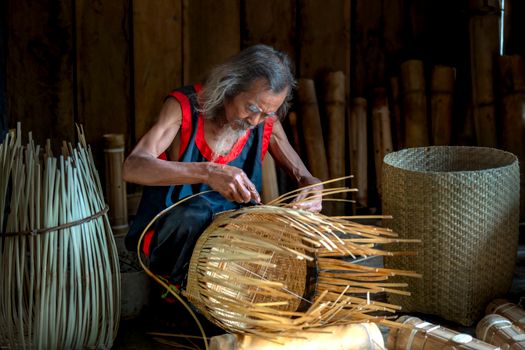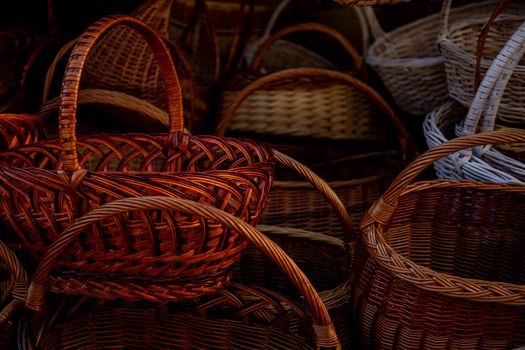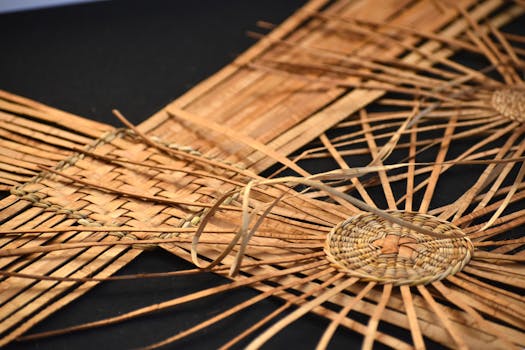
Traditional basketry, with its intricate patterns, deep cultural roots, and timeless appeal, has found a powerful new role in modern art and design. Once regarded primarily as a utilitarian craft or a marker of heritage, basket weaving techniques and aesthetics are now being reimagined by contemporary artists, architects, and designers. This fascinating intersection bridges ancient skills with fresh, innovative expressions, resulting in works that captivate audiences and challenge the boundaries of both art and function. Let’s explore how traditional basketry is inspiring and shaping the world of modern art and design today.
The Enduring Appeal of Traditional Basketry Techniques
Basketry is one of humanity’s oldest crafts, with evidence of woven containers dating back over 10,000 years. From the willow baskets of Europe to the coiled pine needle baskets of the American Southeast, these objects have always been more than mere vessels—they have been carriers of culture, identity, and storytelling. In the 21st century, artists and designers are rediscovering the rich tactile language of basketry to create new forms that honor the past while pushing creative boundaries.
A growing number of contemporary creators are learning and adapting age-old weaving techniques—plaiting, twining, coiling, and looping—for their projects. According to the Craft Futures study by the National Endowment for the Arts, interest in traditional handcrafts like basketry has increased by 27% among art school students over the last decade. This revival is powered not only by nostalgia but also by a demand for authenticity, sustainability, and the unique visual language that handwoven objects possess.
Modern Artworks: From Utility to Conceptual Expression
In modern art, basketry transcends its utilitarian origins to become a medium for storytelling, social commentary, and visual poetry. Leading artists are using traditional materials—such as reeds, grasses, and fibers—in innovative ways to create sculptures and installations that challenge assumptions about craft and fine art.
For example, Nigerian artist Nnenna Okore transforms natural fibers using basketry techniques into large-scale, organic forms that evoke cycles of growth and decay. Her work explores themes of environmentalism and cultural memory, demonstrating how weaving is not just a method but a metaphor. Similarly, American artist John Garrett uses wire and recycled materials, merging basketry with industrial elements to comment on consumption and transformation.
These examples show how basketry’s tactile, flexible nature makes it a powerful tool for contemporary artists. The process itself becomes part of the artwork’s meaning, connecting viewers to the rhythms and traditions of handcraft while prompting reflection on modern issues.
Design Innovation: Basketry in Furniture, Fashion, and Interiors
Beyond the art world, basketry’s influence is increasingly visible in design—particularly in furniture, lighting, interior accents, and even fashion. Designers are drawn to the strength and versatility of woven structures, as well as their ability to convey warmth and individuality.
In furniture, iconic examples include the "Peacock Chair," originally crafted by Filipino artisans, and the award-winning "Wicker Works" collection by contemporary designer Kittna Charoenwattanamongkol. Both use traditional weaving to achieve forms that are ergonomic, lightweight, and visually striking.
Fashion designers have also embraced basketry’s textures and techniques. In 2022, Paris Fashion Week showcased several collections featuring handwoven accessories and garments—such as Bottega Veneta’s intricate woven leather bags and Stella McCartney’s raffia coats. These pieces highlight how basketry can be both luxurious and eco-friendly, aligning with the growing consumer demand for sustainability. According to Statista, the global market for woven accessories grew by 17% from 2019 to 2023, reflecting this trend.
For interior designers, basketry offers endless possibilities: woven pendant lamps, wall hangings, and decorative baskets add natural texture and a sense of rootedness to modern spaces. Many high-end hotels and restaurants now commission custom basketry installations as statement pieces that blend tradition with contemporary style.
Basketry and Sustainability: A Natural Partnership
As the world increasingly values eco-friendly materials and responsible production, traditional basketry offers a compelling model. Most basketry uses renewable resources—willow, bamboo, rattan, reeds, seagrass, and more. When sourced responsibly, these materials have a low environmental impact compared to synthetic alternatives.
Modern designers are leveraging this sustainable heritage by developing new products that use biodegradable, locally sourced fibers. For example, Finnish design studio Artecnica collaborates with indigenous weavers in Colombia to create lighting and decor from fast-growing natural fibers, supporting both environmental goals and traditional livelihoods.
A study published in the Journal of Sustainable Design found that basketry-based products can reduce material waste by up to 40% compared to mass-manufactured plastic items. This eco-friendly aspect is increasingly important to consumers and brands alike.
The table below compares key aspects of traditional basketry and modern mass-produced design objects:
| Feature | Traditional Basketry | Modern Mass-Produced Design |
|---|---|---|
| Primary Materials | Natural fibers (bamboo, willow, rattan, etc.) | Plastics, metals, synthetic materials |
| Environmental Impact | Low; renewable and biodegradable | High; non-renewable and often non-biodegradable |
| Production Method | Handcrafted, small-scale | Machine-made, large-scale |
| Uniqueness | Each piece is unique | Uniform and identical |
| Longevity | Durable with care, repairable | Often disposable, hard to repair |
Global Collaborations: Respecting Tradition, Inspiring Innovation
A key part of basketry’s renaissance in modern art and design is the rise of cross-cultural collaborations. Designers and artists are partnering with master weavers from around the world, resulting in works that honor tradition while introducing new forms, materials, and audiences.
One notable example is the collaboration between Danish design house Ferm Living and artisans in Vietnam’s Mekong Delta. Together, they create contemporary homeware using traditional seagrass weaving methods, blending Scandinavian minimalism with Southeast Asian craftsmanship.
In Africa, organizations like the Peace Basket Project in Rwanda empower women by connecting them with international designers. Their handwoven baskets, once used for local trade, now feature in exhibitions and luxury boutiques worldwide. In 2023 alone, the project reported a 35% increase in artisan income and expanded to over 2,000 weavers.
These global partnerships not only preserve cultural knowledge but also provide economic opportunities and foster mutual respect. They exemplify how modern design can be a force for positive social change.
Technology Meets Tradition: Digital Tools and New Materials
While basketry is rooted in hands-on skill, the digital age is opening up surprising new avenues for innovation. Artists and designers are using computer modeling and 3D printing to reimagine woven structures, sometimes blending traditional techniques with high-tech materials.
For instance, the MIT Media Lab’s Mediated Matter Group experimented with weaving carbon fiber, using robotic arms to mimic basketry patterns at architectural scales. The resulting structures are lightweight yet incredibly strong—demonstrating how ancient wisdom can inform futuristic design.
Digital platforms also enable knowledge-sharing and collaboration across continents. Online workshops, YouTube tutorials, and virtual exhibitions make traditional basketry accessible to a global audience, sparking new interest and creative experimentation.
Weaving the Past into the Future: The Lasting Impact of Basketry in Modern Art and Design
The resurgence of traditional basketry in modern art and design is more than a fleeting trend—it’s a powerful testament to the enduring value of handcraft, sustainability, and cultural exchange. Whether seen in a museum installation, a designer chair, or a woven pendant lamp, these works carry the stories of their makers and the wisdom of centuries.
As artists and designers continue to blend old techniques with new ideas, basketry’s legacy will only grow richer. The next generation of creators is discovering that the humble basket—once a tool for survival—remains a vibrant source of inspiration for beauty, meaning, and innovation in a rapidly changing world.