American tradition baskets are more than just woven containers—they are living artifacts that speak to the ingenuity, values, and histories of the communities that create them. From Native American tribes in the Southwest to Shaker communities in New England, each basket tells a story, not just through its form and function, but through its patterns, materials, and the hands that crafted it. These stories have been passed down for generations, transforming simple household objects into powerful cultural symbols. In this article, we will explore how American tradition baskets serve as storytellers, weaving together threads of identity, memory, and community.
The Language of Materials: Nature’s Story in Every Weave
The first chapter in the story of any American tradition basket begins with its materials. Basket makers have long relied on the natural world, selecting fibers and woods that are both local and meaningful to their communities. For example, Appalachian basket makers often use white oak or hickory, prized for their flexibility and strength, while Navajo weavers in the Southwest might choose sumac or yucca, plants native to arid landscapes.
These choices are not arbitrary. Each material embodies a relationship with the land, reflecting the skills required to harvest, prepare, and work with it. In a 2018 study by the American Folklife Center, over 70% of interviewed basket makers stated that material selection is a deliberate act, tied to tradition and environmental stewardship. When a Cherokee artisan gathers river cane, or a New England craftsperson collects black ash splints, they are participating in a centuries-old dialogue with their environment. Thus, every basket carries the story not only of its maker, but also of the landscape from which it was born.
Patterns and Motifs: Visual Storytelling in Basketry
The patterns and motifs woven into baskets are a form of visual language, encoding stories, beliefs, and histories. Native American baskets, for instance, frequently feature geometric shapes, spirals, or animal figures, each with symbolic meaning. The Hopi “migration pattern” tells the story of ancestral journeys, while the Pomo people of California are renowned for their feathered baskets, which symbolize spiritual connection.
In Shaker basketry, the story is one of simplicity and utility—a reflection of the community’s values. Their baskets are celebrated for their clean lines and precise symmetry, communicating ideals of order, humility, and collective purpose. According to the Smithsonian Institution, over 150 distinct basket designs have been identified among North American tribes, each with its own meaning and origin.
Patterns can also serve as family or community signatures, passed down and adapted through generations. For example, the Gullah people of South Carolina and Georgia have preserved West African basket weaving traditions, incorporating intricate “fanner” baskets used in rice cultivation. These designs are more than decorative; they are a form of cultural memory, preserving stories of resilience and adaptation.
Baskets in Everyday Life: Objects of Memory and Meaning
Beyond materials and designs, the uses of baskets in daily life tell stories about the communities that create them. Throughout American history, baskets have served as tools for gathering, storage, and trade, but they have also played roles in ceremonies, storytelling, and rites of passage.
For instance, Apache burden baskets are traditionally used to collect food and firewood, but they also serve as symbols of womanhood and are given as gifts during coming-of-age ceremonies. In the Northeast, splint baskets were exchanged in marriage rituals or gifted to mark special occasions. According to data from the National Museum of the American Indian, over 60 types of ceremonial baskets are cataloged in their collection, each linked to a specific practice or event.
Even in contemporary contexts, baskets continue to accumulate stories. A hand-woven picnic basket may become a family heirloom, its worn handle and faded patina recalling summer afternoons and shared meals. In this way, baskets become vessels not just for objects, but for memories and connections across generations.
Basket Makers as Storytellers: Passing Down the Craft
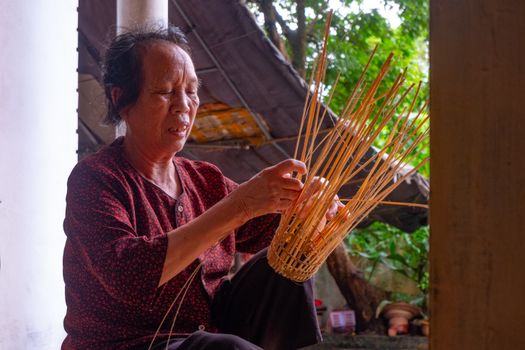
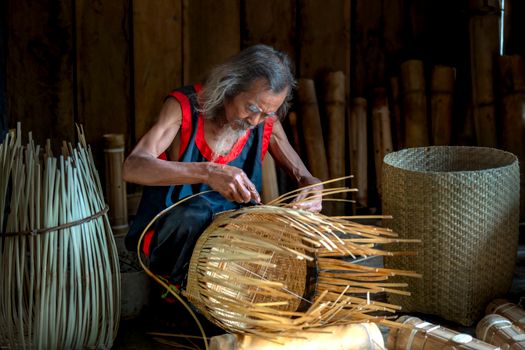
The stories embedded in American tradition baskets are not only those of communities and cultures, but also of individual makers. Basket weaving is often a communal activity, with skills and stories passed from elder to apprentice, parent to child. This transmission of knowledge is itself a narrative, linking past, present, and future.
Consider the story of Mary Jackson, a renowned sweetgrass basket maker from Charleston, South Carolina. Jackson, a recipient of the National Heritage Fellowship, has devoted her life to teaching others the Gullah tradition of coiled basketry. Her baskets are now featured in museums, but her greatest legacy may be the dozens of young artisans she has mentored, each carrying forward the techniques and stories of their ancestors.
A 2022 survey by the American Craft Council found that 85% of traditional basket makers learned their craft from family members, highlighting the importance of oral history and hands-on teaching. Through every demonstration and shared project, basket makers become living storytellers, ensuring that their art remains vibrant and relevant.
Comparing Storytelling Traditions: A Regional Overview
American tradition baskets reflect the diversity of the nation’s regions, each with unique materials, patterns, and stories. To better understand how storytelling varies across traditions, consider the following comparative overview:
| Region | Common Materials | Signature Patterns/Motifs | Primary Uses | Key Storytelling Element |
|---|---|---|---|---|
| Southwest (Hopi, Navajo) | Yucca, sumac, willow | Spirals, migration motifs, animal forms | Ceremony, food gathering, trade | Spiritual and ancestral journeys |
| Southeast (Cherokee, Gullah) | River cane, sweetgrass, palmetto | Coiling, star patterns, fanner baskets | Agriculture, storage, ritual | Resilience, adaptation, heritage |
| Northeast (Wabanaki, Mohawk) | Black ash, birch bark | Porcupine quill, floral motifs | Storage, gift-giving, celebration | Nature respect, kinship ties |
| Appalachia/Shaker | White oak, hickory, maple | Simplicity, symmetry, utility | Domestic use, commerce | Community, order, craftsmanship |
This diversity demonstrates how American tradition baskets encode not just utility, but the values and histories unique to each region.
Modern Innovations: New Stories in Basket Weaving
While tradition forms the backbone of American basketry, contemporary makers are also innovating, weaving new stories into their work. Artists today experiment with mixed media, recycled materials, or non-traditional forms, using basketry as a platform for personal or political expression.
For example, Shan Goshorn, an Eastern Band Cherokee artist, created baskets from photographic paper imprinted with historical documents and treaties, transforming each piece into a statement on Native sovereignty and memory. According to the National Basketry Organization, more than 40% of new basket exhibitions in 2023 featured artists blending traditional techniques with modern themes.
Community projects are also using basket weaving as a tool for healing and social justice. In Minneapolis, the “Weaving Our Roots” initiative brings together refugees and local residents to share stories and techniques, fostering understanding and solidarity through shared craft.
Conclusion: Weaving the American Story
American tradition baskets are more than artifacts—they are storytellers in their own right. Through the careful selection of materials, the symbolism of patterns, their roles in daily and ceremonial life, and the hands that craft them, these baskets preserve and communicate the stories of individuals, families, and entire communities. As new generations of basket makers continue to innovate and adapt, the story of American basketry grows richer, weaving together the diverse threads of the nation’s history, culture, and creativity.