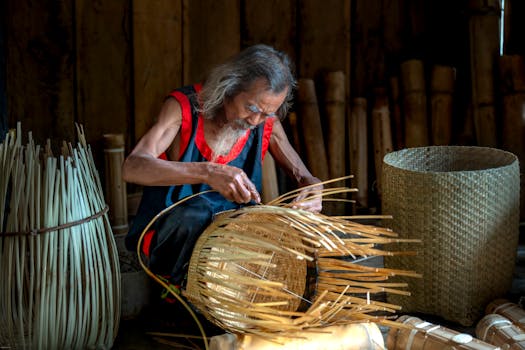
The art of basketry is one of humanity’s oldest crafts, with roots stretching back over 10,000 years. From the earliest utilitarian vessels to the intricate, expressive forms seen in museums and modern homes, baskets have served as both practical tools and artistic statements. Yet, as society has evolved, so too has basketry—adapting to new materials, technologies, and cultural values. Today, traditional basketry is experiencing a fascinating transformation: it’s being reimagined by contemporary makers, integrated into global markets, and even revived as a source of sustainable design. This article explores how traditional basketry has evolved in the modern world, highlighting the intersections of heritage, innovation, and creative expression.
The Roots of Traditional Basketry: Function Meets Culture
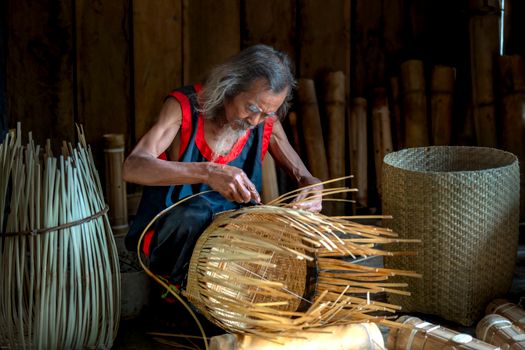
Historically, basketry was born out of necessity. Early humans wove plant fibers, reeds, and grasses into containers for gathering, storing, and transporting food. Archaeological evidence shows that basketry predates even pottery in some regions, with the oldest known woven baskets dating to approximately 10,000 BCE from the Middle East.
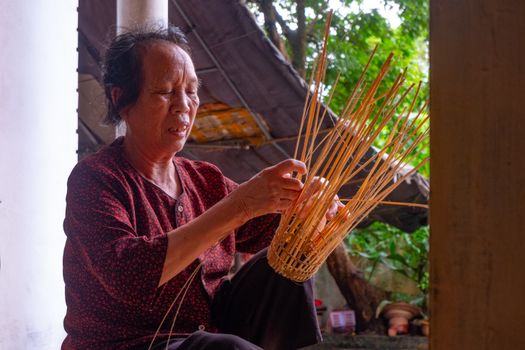
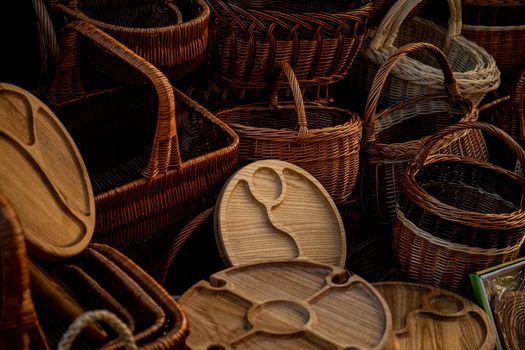
But basketry quickly became more than a simple craft. In cultures from the Hopi and Cherokee in North America to the Yoruba in West Africa and Ainu in Japan, baskets conveyed social status, spiritual beliefs, and communal identity. Patterns, colors, and weaving techniques were passed down through generations, each region developing its own hallmark styles. For example, the Tonga people of Zimbabwe are renowned for their distinctive patterned baskets, while the Shaker communities in 19th-century America became famous for their utilitarian yet elegant work baskets.
By the 19th and early 20th centuries, industrialization and the mass production of goods began to erode traditional basketry’s prevalence. However, the craft never disappeared—it adapted, waiting for a new era to flourish.
New Materials and Techniques: A Modern Renaissance
One of the most significant changes in modern basketry is the incorporation of new materials and techniques. While traditional baskets relied on local, natural materials, today’s artisans have access to an expanded palette: recycled plastics, wire, paper, and synthetic fibers.
For example, in Bangladesh, jute—a plant fiber—is still widely used, but some contemporary weavers combine it with upcycled plastic strips to create vibrant, durable market baskets. In South Africa, the Zulu community has gained global attention for their “telephone wire baskets”—a creative response to the availability of discarded industrial wire. These brightly colored baskets blend ancient coiling techniques with entirely new materials.
Modern technology has also made its mark. Laser cutting, 3D printing, and computer-aided design (CAD) have enabled artists to create intricate patterns and forms not possible by hand alone. In 2022, a study published by the Craft Council UK noted that nearly 20% of contemporary basketmakers had experimented with digital tools in their practice.
This fusion of old and new is not just about aesthetics. It reflects a broader trend in craft: the desire to make basketry relevant for today’s world while honoring its origins.
Globalization and the Rise of the Contemporary Basket Market
The modern world is more interconnected than ever, and this has profound implications for traditional basketry. Once confined to local economies and cultural exchange, basketry has become a global commodity. According to the International Trade Centre, the export value of handmade baskets and wickerwork reached $670 million worldwide in 2021—a 23% increase from 2015.
Online platforms like Etsy, Amazon Handmade, and regional fair-trade organizations have made it possible for artisans in remote villages to reach customers on the other side of the globe. This global demand has encouraged both the preservation of traditional styles and the emergence of new, cross-cultural designs.
But globalization brings challenges as well as opportunities. Artisans must balance authenticity with market trends, sometimes adapting designs to suit Western tastes. There are concerns about cultural appropriation, loss of traditional knowledge, and fair compensation for makers. Organizations like the World Fair Trade Organization (WFTO) and UNESCO have stepped in to promote ethical practices and protect intangible cultural heritage.
The table below illustrates a comparison between traditional and modern basketry across several key dimensions:
| Aspect | Traditional Basketry | Modern Basketry |
|---|---|---|
| Materials | Natural (reeds, grasses, bark, cane) | Natural and synthetic (plastics, wire, paper, recycled materials) |
| Techniques | Hand-weaving, coiling, plaiting | Hand and machine, digital tools, hybrid techniques |
| Distribution | Local markets, trade within community | Global online sales, international exhibitions |
| Purpose | Utilitarian, ritual, symbolic | Decorative, utilitarian, artistic, sustainable design |
| Challenges | Resource scarcity, cultural erosion | Cultural appropriation, fair compensation, sustainability |
Basketry as Contemporary Art and Sustainable Design
The twenty-first century has seen basketry transcend its utilitarian roots to become a vibrant part of the contemporary art world and sustainable design movement. Museums such as the Smithsonian Institution and the Victoria & Albert Museum now host exhibitions devoted to basketry as fine art, while galleries worldwide feature works by basket makers alongside painters and sculptors.
Renowned artists like Ed Rossbach and Mary Jackson have pushed the boundaries of what baskets can be, transforming humble materials into sculptural forms. Jackson, a Gullah basket weaver from South Carolina, was awarded a MacArthur Fellowship in 2008 for her preservation and innovation of the traditional sweetgrass basket.
At the same time, basketry is being embraced by eco-conscious designers and architects. The use of renewable, biodegradable materials and low-impact production methods aligns with growing sustainability concerns. For example, in 2019, IKEA partnered with social enterprises in India to launch a line of handwoven baskets made from locally sourced banana fibers—supporting both environmental and economic goals.
In a world increasingly concerned with waste and resource depletion, basketry’s emphasis on natural materials and handcraft is not a relic of the past but a model for the future. According to a 2021 survey by the British Crafts Council, 72% of consumers said they were more likely to buy handcrafted goods if they were produced sustainably.
Education, Technology, and the Revival of Basket Traditions
Revitalizing basketry for the modern era requires not only innovation but education and transmission of traditional knowledge. Across the globe, initiatives are underway to teach basketry in schools, community centers, and online platforms.
Digital media has revolutionized access to basketry instruction. YouTube channels, online courses, and virtual workshops have reached millions of learners, breaking down geographical barriers. In the United States, the National Basketry Organization offers online resources and an annual conference, connecting weavers from diverse backgrounds.
Universities and art schools are also incorporating basketry into their curricula. In Japan, the Tokyo University of the Arts offers specialized courses in bamboo basketry, blending ancient techniques with contemporary design principles. In Canada, the Indigenous Arts Program at the Banff Centre provides residencies for First Nations basket makers to preserve and evolve their traditions.
These educational efforts are crucial for safeguarding intangible cultural heritage. UNESCO estimates that over 60 basketry traditions worldwide are currently at risk due to aging master weavers and lack of transmission. By bringing basketry into the digital age, there is hope for a vibrant future rooted in respect for the past.
Women, Empowerment, and Social Impact Through Basketry
Basketry has long played a central role in women’s lives and livelihoods, especially in rural and Indigenous communities. Today, this tradition continues, but with new dimensions of empowerment and social impact.
Nonprofits and cooperatives use basketry as a vehicle for economic development, gender equality, and social cohesion. In Rwanda, the “Peace Baskets” initiative helps women from different ethnic backgrounds heal and rebuild their lives after the 1994 genocide. The project has supported over 4,000 women, providing income and fostering reconciliation through shared craft.
According to the International Labour Organization, over 80% of basket makers globally are women. Access to international markets has allowed many artisans to support their families, pay for children’s education, and invest in their communities. These stories showcase how the evolution of basketry is not just about objects, but about lives transformed through the power of craft.
Looking Ahead: The Future of Traditional Basketry in the Modern Age
The story of basketry is far from finished. As we look ahead, the evolution of this ancient craft offers a model for how tradition and innovation can coexist. Whether woven from reeds in a remote village or printed from recycled plastic in a city studio, baskets continue to connect people across continents and generations.
The challenges are real: cultural loss, market pressures, and environmental threats. But the opportunities are equally compelling. As more people value sustainability, authenticity, and the handmade, basketry stands at the intersection of past wisdom and future possibility.
By embracing new materials, technologies, and markets—while honoring the skills and stories of those who came before—basketry is not just surviving in the modern world, but thriving in ways never imagined.