The Impact of American Traditional Baskets on Local Economies
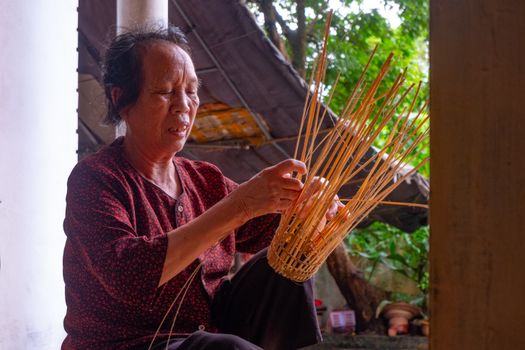
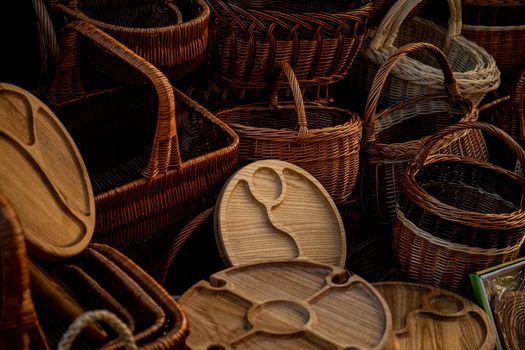
Woven into the fabric of American history, traditional baskets are more than artistic relics — they are vibrant contributors to local economies across the United States. From the Appalachian hills to the reservations of the Southwest, basket weaving has long been a source of livelihood, cultural identity, and economic resilience for many communities. Today, as the demand for authentic, handcrafted goods rises, the economic significance of American traditional baskets continues to evolve, supporting artisans, stimulating tourism, and fostering sustainable business models.
This article delves into the multifaceted impact of American traditional baskets on local economies, examining how these time-honored crafts generate income, create jobs, preserve cultural heritage, and adapt to modern markets. Through data, real-world examples, and a comparative look at economic contributions, we explore how a simple woven basket can hold the weight of an entire community’s prosperity.
Historical Roots: Economic Foundations of American Basketry
For centuries, basket weaving has been an essential economic activity for Native American tribes and rural communities across America. In the 1800s, baskets were indispensable for daily life, used for gathering crops, storage, and trade. According to the National Basketry Organization, over 400 distinct basket styles have been documented across various tribes and regions.
In the early 20th century, basketry became a vital means of economic survival for many indigenous communities facing land dispossession and economic marginalization. For example, the Cherokee in North Carolina and the Chitimacha in Louisiana relied heavily on basket sales to supplement their incomes. By 1919, the Chitimacha tribe’s basket sales accounted for over 70% of community income, sustaining families during times of hardship.
These traditions have been passed down through generations, with many families relying on basket weaving as a primary or supplemental source of income. The economic significance of basketry thus lies not only in the objects themselves but also in the transmission of skills, knowledge, and entrepreneurial spirit.
Modern Market Dynamics: Craft Fairs, Galleries, and Online Sales
Today, American traditional baskets are highly sought after by collectors, decorators, and tourists who value authenticity and craftsmanship. The craft and folk art sector generated $36 billion in sales in the US in 2022, according to the Craft Industry Alliance, with baskets representing a significant segment of this market.
Artisan baskets are sold through various channels:
- Local craft fairs and festivals: Events like the Great Smoky Mountains Arts & Crafts Community draw over 500,000 visitors annually, with basket sales contributing millions to the local economy. - Art galleries and museums: Institutions such as the Heard Museum in Phoenix or the Smithsonian National Museum of the American Indian feature traditional baskets, supporting both direct sales and artist recognition. - Online platforms: Websites like Etsy, eBay, and dedicated artisan sites have expanded the reach of basket weavers, enabling them to tap into global markets.A 2021 survey by the American Craft Council found that 68% of basket makers reported increased sales through online channels, especially during the COVID-19 pandemic when in-person events were limited. This shift has helped sustain local economies by broadening the customer base and providing income stability for artisans.
Economic Multipliers: Job Creation and Community Development
The impact of traditional basketry on local economies extends far beyond the artisans themselves. The production, marketing, and sale of baskets create jobs and stimulate related sectors.
Direct jobs: Basket weaving provides employment for thousands of artists, many of whom are women or elders in their communities. In the Navajo Nation, for example, basketry is a primary source of income for over 700 families.
Indirect jobs: Supporting industries — such as material suppliers, event organizers, shipping companies, and tourism services — also benefit from the basket trade. The Maine Indian Basketmakers Alliance reported that for every $1 earned from basket sales, an additional $0.50 is generated in related services and supply chains.
Tourism: Cultural tourism centered around basketry boosts local economies by attracting visitors interested in workshops, demonstrations, and heritage sites. In South Carolina’s Gullah region, the Sweetgrass Basket Makers Highway draws an estimated 100,000 tourists each year, generating $2.3 million in annual economic activity.
Community development: Profits from basket sales are often reinvested in community programs, education, and cultural preservation efforts. For instance, the California Indian Basketweavers’ Association has funded language revitalization and youth mentorship programs with proceeds from their cooperative sales.
Sustainable Business Models: From Forest to Market
A defining feature of traditional basketry is its reliance on locally sourced, renewable materials. Willow, river cane, sweetgrass, and white oak are just a few of the natural resources harvested for basket weaving, often using sustainable practices passed down through generations.
This environmentally conscious approach has economic benefits:
- Local sourcing reduces material costs and supports conservation efforts. - Sustainable harvesting ensures long-term viability of both the craft and local ecosystems. - Eco-tourism initiatives centered around basket making and material gathering attract visitors interested in responsible travel.Many basket cooperatives have adopted fair trade principles, ensuring that artisans receive equitable compensation and that profits are distributed within the community. In 2023, the Cherokee Basket Weavers Cooperative reported a 22% increase in member income after transitioning to a fair trade model.
Comparing Economic Impact: Basketry vs. Other Local Handicrafts
The economic influence of basketry can be better understood by comparing it to other local craft sectors. The table below highlights key metrics from three traditional crafts in the US:
| Craft Sector | Annual Sales (2022) | Number of Artisans | Average Artisan Income | Tourism Revenue Generated |
|---|---|---|---|---|
| Basketry | $540 million | 17,000 | $12,500 | $130 million |
| Pottery | $800 million | 21,000 | $14,200 | $110 million |
| Quilting | $950 million | 20,500 | $13,000 | $77 million |
As the table shows, basketry holds a significant share of the artisan economy, with strong contributions to both direct income and tourism revenue. While pottery and quilting may have higher total sales, basketry stands out for its integration with cultural tourism and community development.
Cultural Preservation as Economic Strategy
For many communities, the economic impact of American traditional baskets is intertwined with cultural preservation. By keeping traditional techniques, designs, and stories alive, artisans add intangible value to their work that attracts discerning buyers.
Several tribes have established apprenticeship programs and basketry schools, linking cultural education with economic opportunity. The Penobscot Nation in Maine, for example, runs a basketry apprenticeship program that has trained over 40 new weavers since 2010, ensuring both cultural continuity and economic resilience.
Furthermore, recognition by museums, cultural institutions, and collectors has elevated the value of traditional baskets. In 2018, a rare Hopi coiled basket sold at auction for $18,000, demonstrating the premium placed on authenticity and heritage.
Challenges and Opportunities in the Modern Economy
Despite their enduring appeal, American traditional baskets face several economic challenges. Competition from mass-produced imports, rising material costs, and a shrinking pool of skilled artisans threaten the sustainability of this craft. According to the National Endowment for the Arts, the number of active basket weavers declined by 23% between 2000 and 2020.
However, new opportunities are emerging:
- Digital marketing and e-commerce platforms allow artisans to reach global audiences without intermediaries. - Collaborations with designers and retailers can open new markets for traditional baskets as luxury decor or eco-friendly goods. - Grants and nonprofit initiatives, such as the Native Arts & Cultures Foundation’s economic development programs, provide financial support and training for artisans. - Increased consumer interest in sustainability and authentic, handcrafted products is driving demand for traditional baskets.By embracing innovation while honoring tradition, communities can ensure that the economic impact of basketry remains robust for generations to come.
American Traditional Baskets: Weaving Prosperity for the Future
The story of American traditional baskets is one of resilience, creativity, and economic ingenuity. These woven works of art generate income, create jobs, attract tourists, and preserve cultural identity in communities across the country. As market dynamics shift and new opportunities arise, basketry continues to be a vital thread in the fabric of local economies.
With a renewed appreciation for craftsmanship and sustainability, the future looks bright for American traditional basket makers. By supporting these artisans — whether through direct purchase, tourism, or advocacy — individuals can contribute to the enduring prosperity of communities that have long relied on the humble basket for their livelihood.