The Enduring Allure of Traditional Basket Making: A Fresh Start for Modern Makers
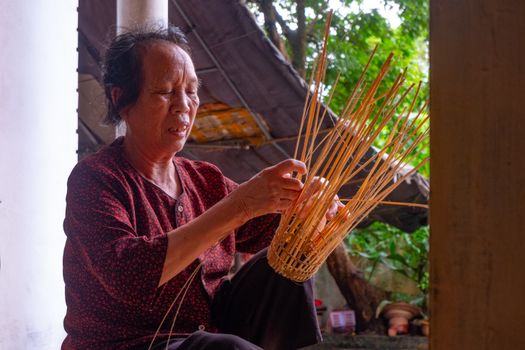
Across continents and centuries, basket making has provided for daily needs, connected generations, and told the stories of entire communities. In the digital age, the craft is experiencing a revival—not just as a nostalgic pastime, but as a meaningful, hands-on escape from screens, a sustainable practice, and a way to reconnect with nature. If you are ready to revive tradition and learn how to start making traditional baskets, this guide will help you embrace the process, discover new techniques, and find your own creative voice in this ancient art.
Rediscovering Basketry: Why Modern Makers Are Returning to Ancient Techniques
Basket weaving is enjoying a global resurgence. According to the Craft Industry Alliance, participation in traditional crafts like basket making has increased by over 30% since 2020, driven by a desire for mindful activities and eco-friendly practices. Why is traditional basketry so appealing today?
1. $1 Most traditional baskets are made from renewable, biodegradable materials. Using locally sourced or foraged fibers means less environmental impact compared to mass-produced plastic goods. 2. $1 The repetitive motions of weaving promote focus, reduce anxiety, and foster a sense of accomplishment. 3. $1 Making baskets using time-honored methods helps preserve heritage, especially for those seeking to reconnect with their ancestral roots.If you are looking for a hobby that offers more than just a finished product, basket making gives you the chance to slow down, use your hands, and create something with lasting purpose.
Gathering Natural Materials: Foraging and Sourcing for Authenticity
For traditionalists, the journey starts in the wild. While many beginners use store-bought reeds or kits, seeking out local natural materials can make your baskets unique. Here are some popular options and tips for foraging responsibly:
- $1 Found along rivers and streams in temperate zones. Cut young, flexible shoots in winter or early spring for best results. - $1 Native to North America and cherished in Native American basketry for its scent and pliability. - $1 Gather after the growing season, soak before use to increase flexibility. - $1 Used in coiled baskets, especially in the Southeastern U.S. and parts of Asia.It’s important to harvest with care. Take only what you need, leave plants able to regrow, and always research any local regulations. Notably, a 2019 survey found that 47% of modern basket makers in rural areas now incorporate foraged materials into their work, highlighting a return to sustainable, place-based crafting.
If you don’t have access to wild materials, many specialty stores and online suppliers sell responsibly sourced fibers. Some even offer heritage varieties—like English willow or Japanese bamboo—so you can experiment with traditional styles from around the globe.
Embracing Regional Styles: A World Tour of Traditional Baskets
Traditional basketry is far from monolithic. Each region of the world brings its own techniques, shapes, and symbolism. Exploring these styles can help you find inspiration for your own creations.
| Region | Signature Style | Typical Materials | Notable Features |
|---|---|---|---|
| Japan | Kagome Weave | Bamboo | Hexagonal patterns, used for flower arranging (Ikebana) |
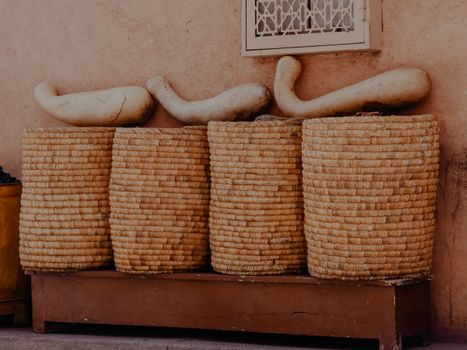
| West Africa | Bolga Baskets | Elephant grass | Bold colors, sturdy round shapes, leather handles |
| Scandinavia | Birch Bark Baskets | Birch bark, roots | Folded, sewn corners, water-resistant |
| Southwest USA | Coiled Baskets | Pine needles, yucca, sumac | Spiral coils, intricate patterns, often symbolic |
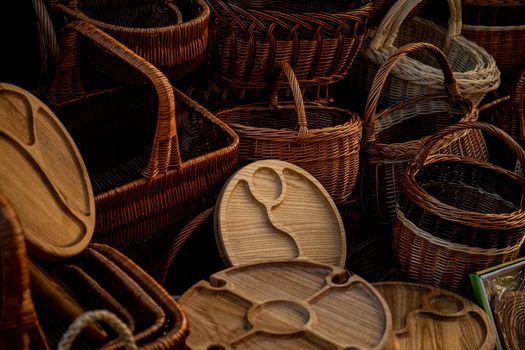
| Eastern Europe | Wickerwork | Willow, hazel | Functional shapes, often for storage or carrying |
Learning about these regional baskets can guide your choice of materials and techniques. For example, if you’re drawn to the geometric beauty of Japanese basketry, try your hand at kagome weaving with bamboo splints. Prefer rustic, functional forms? Explore willow weaving in the Scandinavian tradition.
Step-by-Step: Starting Your First Traditional Basket
To help new makers avoid common frustrations, here is a beginner-friendly, step-by-step process for making a simple woven basket using traditional methods:
1. $1 For your first project, choose something forgiving, like willow rods or flat reed. Aim for about 25-30 rods, each at least 60cm long, for a small basket. 2. $1 Place them in warm water for several hours or overnight. Flexible materials are less likely to snap. 3. $1 Arrange six rods in a star pattern (three horizontal, three vertical), and weave them together with a thinner rod to lock the center. This creates the ‘spokes’ of your basket. 4. $1 Using one long rod, weave in and out around the spokes in a spiral or over-under pattern. As you work upwards, gently bend the spokes to form the sides. 5. $1 Once you reach the desired height, trim the spokes and tuck them back into the weave, or bind them with a stronger strip for a neat edge. 6. $1 Allow the basket to dry completely, which will set its shape and strengthen the weave.This process is the foundation for countless traditional styles. As you gain confidence, try adding color with natural dyes, incorporating decorative stitches, or attempting more complex forms like lidded baskets or carrying trays.
Learning Beyond the Basics: Community and Resources for Aspiring Basket Makers
Basket making thrives in community, and today’s makers have more ways than ever to connect. Here are a few resources to help you grow your skills and network:
- $1 Many art centers, botanical gardens, and historical societies offer hands-on classes, preserving local traditions. According to a 2023 survey by the American Craft Council, 68% of basket makers polled learned their first techniques in a group setting. - $1 Websites like Craftsy and Domestika offer video tutorials from international artists, including specialty courses on Japanese bamboo baskets or African coiling. - $1 Facebook and Instagram have vibrant communities (#basketweaving has over 350,000 posts), where you can share your work, ask questions, and find inspiration. - $1 Libraries often carry classic texts, and museums like the Smithsonian have digitized collections showcasing historic baskets from indigenous and immigrant communities alike.Building relationships with other makers not only helps you refine your technique, but also introduces you to the broader cultural significance and personal stories woven into every basket.
Reviving Tradition: The Personal Rewards of Basket Making
Starting your journey into traditional basket making is about more than learning a craft; it’s about reviving a living tradition and forging your own connection to the past, the land, and your community. As you develop your skills, you’ll discover the meditative rhythm of weaving, the beauty of natural materials, and the satisfaction of creating something unique and useful with your own hands.
In an era of disposable goods, hand-woven baskets stand as symbols of patience, sustainability, and creativity. Whether you join a local guild, forage for willow by a riverbank, or share your creations online, each basket you make carries forward a story—one that began thousands of years ago but still has room for your voice today.