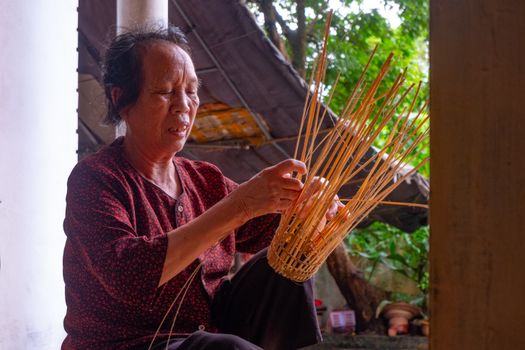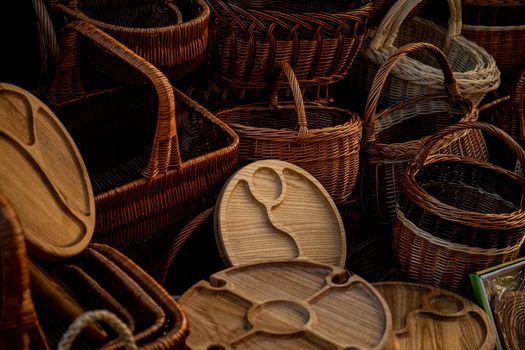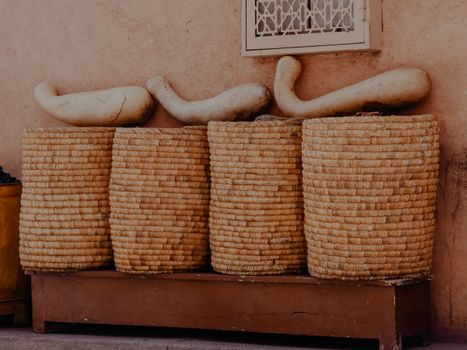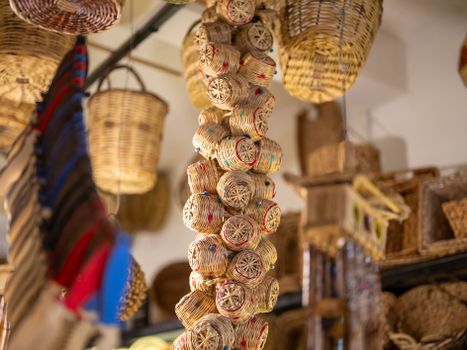
Traditional baskets are more than just utilitarian objects. They are works of art, cultural heirlooms, and, in many cases, living connections to the past. Whether crafted from willow, sweetgrass, pine needles, or reed, these baskets require thoughtful care to preserve their beauty and structural integrity for generations. Yet, even the sturdiest basket can show signs of wear over time. Understanding the best practices for maintaining and repairing traditional baskets is essential for collectors, cultural custodians, and anyone who values these woven treasures.
In this article, we’ll explore the most effective strategies for prolonging the life of traditional baskets, from climate control and gentle cleaning to proactive repairs. We’ll cover how to assess damage, choose the right repair methods, and when to seek professional help. By following these tips, you can ensure that your baskets remain strong, functional, and beautiful for years to come.
The Importance of Proper Storage for Basket Longevity
One of the most significant factors affecting the longevity of traditional baskets is how and where they are stored. Baskets are typically made from organic materials that are sensitive to their environment. Humidity, sunlight, pests, and even improper stacking can all lead to premature deterioration.
According to a 2019 survey by the American Institute for Conservation, 60% of reported basket damage was attributed to poor storage conditions. To avoid this, keep in mind the following best practices:
- $1: Prolonged exposure to sunlight can cause fading and weaken fibers. Display baskets in shaded areas or use UV-protective glass for display cases. - $1: Most baskets prefer a relative humidity between 45% and 55%. Excessive dryness can make fibers brittle, while too much moisture encourages mold and mildew. Use a dehumidifier or humidifier as needed. - $1: Insects such as silverfish and beetles are attracted to organic fibers. Store baskets in clean, well-sealed areas, and inspect regularly. - $1: Never stack heavy items on top of baskets, as this can distort their shape. Use shelves with adequate support and avoid crushing delicate rims or bases.Cleaning Traditional Baskets: Do’s and Don’ts
Routine cleaning is essential for keeping baskets in optimal condition, but improper cleaning can do more harm than good. Given the variety of weaving materials—ranging from bark and grass to cane and reed—it’s crucial to use gentle techniques.
$1 - $1: Use a soft-bristled brush (such as a paintbrush) to gently sweep away dust and debris. Always brush in the direction of the weave to prevent snagging fibers. - $1: For deeper cleaning, use the soft brush attachment on a vacuum set to low suction. Hold a mesh screen over the basket to prevent accidental fiber loss. - $1: If you notice a stain, lightly dab it with a barely damp cloth. Never soak a basket, as excess water can cause swelling, warping, or mold growth. $1 - $1: Do not use household cleaners, bleach, or strong detergents. These can damage the basket’s finish and weaken fibers. - $1: Immersing a basket in water is rarely advisable, especially for older or fragile pieces. - $1: Avoid scrub brushes, steel wool, or any abrasive pads.Common Basket Damages and How to Assess Them
Understanding the types of damage that traditional baskets commonly face is the first step in effective repair. Below is a table summarizing frequent issues and their typical causes:
| Type of Damage | Common Causes | Visible Signs |
|---|---|---|
| Fraying or Broken Fibers | Physical use, aging, pests | Loose ends, split or snapped fibers |
| Discoloration | Sun exposure, mold, stains | Faded colors, dark spots, uneven tones |
| Shape Distortion | Poor storage, pressure, moisture | Misshapen rim or base, sagging sides |
| Mold and Mildew | High humidity, water exposure | White or black fuzzy patches, odor |
| Loose Weave | Humidity changes, wear and tear | Gaps between weavers, loss of rigidity |
Frequent inspection is key. When examining a basket, check for fraying, discoloration, and any signs of pest infestation. Early detection allows for less invasive repairs and better preservation.
Repair Techniques: When and How to Fix Traditional Baskets
Repairing a traditional basket is both an art and a science. Minor repairs can often be handled at home, while extensive damage may require a professional conservator. Here are the most common repair techniques:
- $1: For baskets with small breaks or missing weavers, carefully match the material (e.g., willow, reed) and weave it into the damaged area. Always use materials as close as possible to the original in size and color. - $1: If ends of fibers are sticking out, gently tuck them back into the weave using a blunt needle or small awl. Secure with archival adhesive if necessary, but avoid over-gluing. - $1: For baskets that have become misshapen, lightly mist the affected area with water (never soak) and reshape by hand. Support the basket’s form with soft padding until completely dry. - $1: Move the basket to a dry, well-ventilated area. Use a soft brush to remove surface mold, and wipe lightly with a cloth dampened with a 70% isopropyl alcohol solution—test on a small area first.It’s important to avoid overzealous repairs. Preserving as much of the original material as possible maintains the basket's integrity and value.
Materials for Basket Repair: Choosing the Right Supplies
Selecting suitable repair materials is crucial for both the appearance and durability of the restored basket. Using the wrong supplies can cause further damage or detract from the basket’s authenticity.
- $1: Whenever possible, use the same species of plant used in the original basket. For example, if the basket is made from pine needles, do not repair with rattan or synthetic materials. - $1: Choose pH-neutral, reversible adhesives designed for conservation work. Avoid hot glue, super glue, or other commercial adhesives, as they can become brittle or damage fibers. - $1: Blunt needles, wooden skewers, and soft brushes are ideal for delicate work. Avoid metal tools that may scratch or tear fibers.If original materials are unavailable, consult a basketry expert or conservator for suitable alternatives, as some substitutions may affect the basket’s cultural and historical value.
When to Seek Professional Restoration
Not all basket repairs are DIY-friendly. If a basket is extremely old, culturally significant, or severely damaged, professional intervention is recommended. Museums and historical societies often employ conservators with specialized training in basket restoration.
Consider seeking a professional if: - More than 20% of the basket’s structure is compromised - The basket is an antique, heirloom, or culturally important artifact - There is extensive mold or insect damage - You are unsure about the materials or correct repair techniqueAccording to the Smithsonian Institution, professional restoration can increase a basket’s lifespan by 50 years or more, especially for pieces over a century old. Trained conservators also document the restoration process, preserving the basket’s provenance and value.
Final Tips for Extending the Life of Traditional Baskets
Caring for traditional baskets is a continual process. Here are some final tips to ensure their longevity:
- $1: If you showcase your baskets, rotate them every few months to prevent uneven exposure to light and air. - $1: Oils and dirt from skin can stain or weaken fibers. Use gloves when handling valuable or fragile baskets. - $1: Share care guidelines with family or community members who may inherit or use the baskets. - $1: Keep notes on repairs, cleaning, and any observed changes. This documentation can be invaluable for future caretakers.With regular attention and careful maintenance, traditional baskets can remain vibrant and sturdy well into the future—allowing their stories and craftsmanship to be enjoyed for generations.