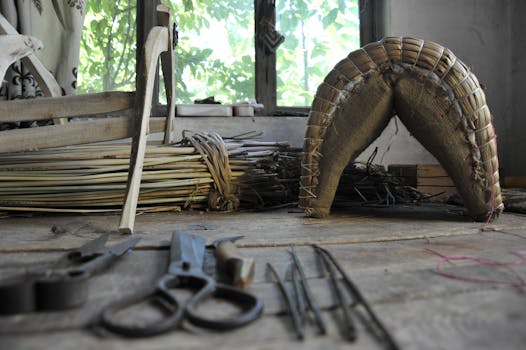
The intricate artistry of Navajo basket weaving stands as a vibrant testament to the creativity, history, and spirituality of the Navajo Nation. For centuries, these baskets have conveyed stories, beliefs, and cultural values through their distinctive designs. In recent decades, the visual language of Navajo basketry has inspired and shaped modern art in unexpected ways. From contemporary paintings and sculpture to fashion and digital design, the motifs and symbolism rooted in Navajo baskets are being reinterpreted by artists around the world. How do these traditional patterns cross over into modern art, and what does this fusion reveal about the dialogue between heritage and innovation? Let’s explore the living legacy of Navajo basket designs in today’s creative landscape.
The Symbolic Power of Navajo Basket Designs
Navajo baskets are far more than functional objects; they are visual narratives woven with intention and meaning. Historically, Navajo basketry features three primary types: ceremonial baskets, wedding baskets, and utilitarian baskets. The ceremonial basket, or "ts’aa’," is most renowned for its symbolic complexity. Its coiled form often incorporates a central “spirit line”—a break in the pattern that allows spiritual energy to flow—along with zigzag patterns, stepped motifs, and radiating lines representing the path of life.
Colors play a crucial role: black typically symbolizes darkness or clouds, white represents the spiritual world, and red stands for life or earth. These symbolic elements are not static. Each weaver may add personal flourishes, making every basket a reflection of both communal tradition and individual vision.
A 2019 study by the Heard Museum cataloged over 300 ceremonial Navajo baskets, finding that 87% featured the spirit line motif, and more than 70% used a tri-color palette. The persistence of these elements underscores their importance in Navajo identity and cosmology.
Navajo Patterns in Contemporary Visual Arts
Modern artists—both Navajo and non-Navajo—have been captivated by the graphic strength and narrative depth of basket designs. Contemporary Navajo artists such as Melanie Yazzie and Ryan Singer have incorporated basket motifs in their paintings and prints, using traditional patterns as a bridge between cultural heritage and present-day expression.
In the 2017 exhibition "Weaving Modernity: Indigenous Art Today," Navajo artist Shonto Begay presented a series of acrylic paintings using concentric rings and stepped patterns inspired by wedding baskets. These works juxtaposed traditional basket forms with modern urban landscapes, emphasizing the persistence and adaptability of Indigenous visual language.
Non-Navajo artists have also drawn inspiration from these designs. For example, American painter Georgia O’Keeffe, after visiting the Southwest, incorporated the radiating forms seen in Navajo baskets into her abstract compositions. In recent years, digital artists have used basket motifs in website graphics, video game environments, and textile prints, often as a nod to the enduring legacy of Native American art.
Basket Motifs in Modern Architecture and Design
The influence of Navajo basketry extends into architecture and interior design, where motifs are used to create spaces that feel both contemporary and rooted in tradition. Architectural firms specializing in Indigenous projects have integrated basket-inspired patterns into floor tiles, wall murals, and ceiling treatments, especially in cultural centers and museums.
A notable example is the Navajo Nation Museum in Window Rock, Arizona, redesigned in 2012, where the central rotunda’s ceiling features a stylized version of the ceremonial basket, with light fixtures arranged to mimic radiating lines. This architectural homage not only celebrates Navajo heritage but also creates a welcoming, spiritually resonant public space.
Modern furniture designers have also adopted basketry elements. The 2023 "Basket Weave" collection by designer Noah Begay (Navajo) features coffee tables and chairs with wooden inlays following traditional stepped and spiral patterns. In retail, major brands like Pendleton have released home décor lines featuring Navajo basket-inspired textiles, blending Indigenous aesthetics with contemporary lifestyles.
Fashion and Wearable Art: From Tradition to Trend
The fashion world has enthusiastically embraced Navajo basket designs, translating them into bold statements on the runway and in everyday attire. Navajo designers such as Orlando Dugi and contemporary artists like Tania Larsson (Gwich’in and Swedish) have drawn upon basket motifs for embroidery, beadwork, and fabric prints.
In 2021, the "Basket Motif Collection" by designer Patricia Michaels (Taos Pueblo) debuted at New York Fashion Week, featuring dresses adorned with radiating basket patterns. The collection highlighted the versatility of these designs—at once ancient and strikingly modern.
Outside Indigenous communities, fashion houses have at times incorporated Navajo-style motifs, though not without controversy. In 2012, Urban Outfitters faced a lawsuit from the Navajo Nation for unauthorized use of the "Navajo" name and patterns. This event highlighted the need for respectful collaboration and recognition of intellectual property.
Still, when done in partnership with Native artists, the results can be stunning. A 2023 collaboration between Diné weaver Marilynn Begay and outdoor brand Patagonia produced a series of limited-edition jackets and scarves, each featuring authentic basket-inspired designs and educational tags about their meaning. The collection sold out within 48 hours, underscoring the wide appeal of Navajo artistry.
Digital Innovations: Basketry in Technology and New Media
Digital media has opened new frontiers for the reinterpretation of Navajo basket designs. Graphic designers and animators now incorporate basket motifs into branding, app interfaces, and video game worlds. For example, the 2022 indie game "Pathways of the People" was developed in collaboration with Navajo artists, featuring basket patterns on character clothing and in environmental textures to enrich the gaming experience.
NFT (non-fungible token) art has also embraced Navajo basketry, with artists like Jolene Yazzie creating digital basket “prints” that combine traditional designs with animated elements. These works are not just visually compelling—they provide new economic opportunities for Native artists, who can reach a global audience and retain control over their intellectual property.
Social media platforms like Instagram and TikTok have amplified the visibility of these reinterpretations. The hashtag #NavajoBasketArt has garnered over 80,000 posts as of early 2024, showcasing everything from hand-painted shoes to virtual reality installations.
Comparing Traditional and Modern Uses of Navajo Basket Designs
To better understand the transformation and continuity of Navajo basket motifs, consider the following comparison:
| Aspect | Traditional Navajo Baskets | Modern Art & Design |
|---|---|---|
| Primary Purpose | Ceremonial, utilitarian, symbolic storytelling | Decoration, cultural reference, innovation |
| Typical Materials | Willow, sumac, yucca, natural dyes | Canvas, digital media, textiles, wood, metal |
| Motif Usage | Spirit line, zigzag, concentric rings, tri-color palette | Adapted/abstracted patterns in diverse media; often retains symbolic elements |
| Artist Background | Primarily Navajo women, multi-generational | Both Indigenous and non-Indigenous, often interdisciplinary |
| Distribution | Local, ceremonial, some commercial trade | Global reach via galleries, digital platforms, mass production |
This table highlights how Navajo basket designs have evolved while maintaining their cultural significance, even as the context and methods of their use have changed.
The Enduring Influence of Navajo Basketry in Modern Art
Navajo basket designs have proven remarkably resilient and adaptable, serving as a visual bridge between centuries-old traditions and contemporary innovation. Their presence in modern art is a testament to the enduring creativity of the Navajo people and the universal appeal of their symbolic language. As artists, designers, and architects continue to engage with these motifs, they not only honor Navajo heritage but also invite fresh conversations about cultural exchange, artistic appropriation, and the future of Indigenous art in a connected world.
Whether woven by hand or rendered in pixels, the spirals, zigzags, and spirit lines of Navajo baskets remind us that art is both rooted and dynamic—a living dialogue between past and present.