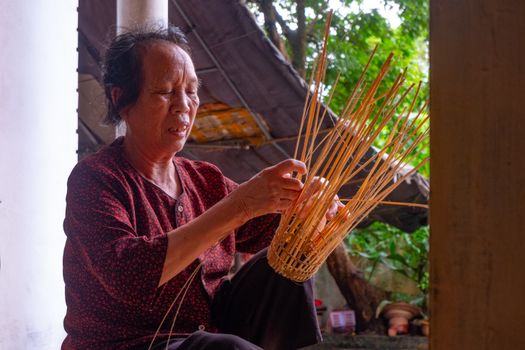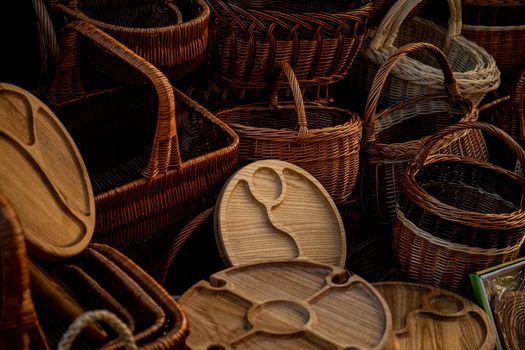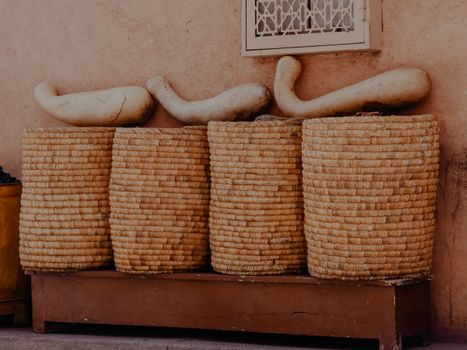
American traditional baskets are far more than mere containers—they are woven chronicles of regional identity, artistic innovation, and cultural resilience. For collectors, each basket is a window into the history and craftsmanship of its maker, as well as the broader story of American ingenuity and tradition. Whether you are just beginning your collection or looking to deepen your expertise, understanding the nuances of collecting American traditional baskets can turn a casual interest into a meaningful pursuit. This comprehensive guide explores what makes these baskets so collectible, how to identify and value them, and practical strategies for building a collection that is both rewarding and historically significant.
The Fascinating Diversity of American Traditional Baskets
The landscape of American traditional baskets is as varied as the nation’s geography and cultures. From the birch bark containers of the Northeast to the coiled sweetgrass baskets of the South, each style reflects the available materials, climate, and traditions of its region.
For example: - The Cherokee are known for their double-woven river cane baskets, a technique that can take up to 30 hours for a single piece. - The Shaker communities of New England created functional, perfectly symmetrical baskets that became famous for their minimalist beauty. - The Gullah people of South Carolina still weave sweetgrass baskets using skills passed down for more than 300 years.According to the Smithsonian Institution, over 50 distinct Native American tribes have documented basketry styles, with each tribe using materials like cedar, ash, willow, or pine needles depending on local resources. This incredible range means collectors can focus on a specific region, tribe, or technique, or pursue a more eclectic collection spanning centuries of American history.
Key Factors in Identifying Authentic American Baskets
With the rising popularity of basket collecting, authenticating pieces has become increasingly important. Several factors can help distinguish genuine American traditional baskets from modern reproductions or imports:
1. $1: Traditional baskets typically use natural materials—river cane, oak, pine needles, sweetgrass, or willow. Synthetic fibers, bright dyes, or modern coatings often indicate a recent or non-traditional origin. 2. $1: Hand-weaving leaves subtle irregularities, while machine-made baskets are often too uniform. Look for evidence of hand-tool use and the unique patterns that define regional styles. 3. $1: Patina, minor wear, or fading are natural over decades. However, excessive damage can reduce value. Expert collectors often use black lights to check for artificial aging. 4. $1: Baskets with a known history—such as documentation of the maker, original owner, or place of origin—are more collectible. Auction records show that provenance can increase a basket’s value by as much as 50%. 5. $1: Some modern Native American artists sign their work or use tribal marks. While older baskets may lack these, their presence can authenticate and contextualize newer pieces.Popular Types and Their Investment Potential
Some styles of American traditional baskets are especially prized by collectors, both for their artistry and their investment value. Below is a comparative overview of several highly collectible basket types:
| Basket Type | Origin | Average Auction Price (2023) | Key Features |
|---|---|---|---|
| Northwest Coast Gathering Basket | Pacific Northwest Tribes | $1,200 - $6,000 | Twined cedar bark, geometric designs |
| Shaker Utility Basket | New England | $600 - $2,500 | Simple, symmetrical, ash wood |
| Gullah Sweetgrass Basket | South Carolina/Georgia | $300 - $1,500 | Coiled sweetgrass, palmetto, pine needles |
| Pomo Feather Basket | California | $2,000 - $15,000 | Miniature, decorated with feathers and shells |
| Apache Olla Basket | Southwest Tribes | $1,500 - $7,000 | Coiled willow, olla (water jar) shape |
As the table shows, rarity, condition, and cultural significance all play roles in determining a basket’s investment value. Notably, a Pomo feather basket sold at Sotheby’s in 2022 for $18,750, well above its estimate, demonstrating the enduring demand for exceptional pieces.
Building and Curating a Meaningful Collection
Collecting American traditional baskets is as much about personal passion as it is about aesthetics or investment. Here are strategic steps to help you build a collection that is rich in meaning and value:
1. $1: Decide whether you want to specialize in a certain region, tribe, time period, or basket type. Some collectors seek out rare 19th-century pieces, while others prefer contemporary Native American artists. 2. $1: Attend museum exhibitions, read books such as “Baskets: Masterpieces of the Basketmaker’s Art” by Bryan Sentance, and engage with online communities. The more you know, the more discerning your eye will become. 3. $1: Purchase baskets from established dealers, auctions, or directly from recognized artists. The Indian Arts and Crafts Act of 1990 makes it illegal to misrepresent Native American-made products, so always ask for certificates of authenticity when possible. 4. $1: Keep detailed records of each acquisition, including photographs, receipts, and any provenance information. This documentation is invaluable for insurance, resale, or donation to museums. 5. $1: Joining organizations like the Basketry Association of America or local historical societies can provide insights, collecting tips, and access to exclusive events.Caring for and Displaying Your Baskets
Proper care ensures that your collection remains vibrant and valuable for generations. Here are essential preservation tips for American traditional baskets:
- $1: Ultraviolet rays can fade dyes and weaken fibers. Display baskets in areas with indirect light or use UV-filtering glass in display cases. - $1: Baskets thrive in environments with stable humidity (ideally 45-55%). Low humidity can cause fibers to become brittle, while high humidity encourages mold. - $1: Oils and dirt from hands can stain natural materials. Use cotton gloves for especially valuable or delicate pieces. - $1: When not on display, store baskets in acid-free tissue and boxes. Avoid stacking heavy items atop one another. - $1: Use a soft brush or vacuum with a low-suction attachment to remove dust. Never immerse baskets in water, as this can cause irreversible damage.For display, consider grouping baskets by region, style, or color to highlight the diversity of your collection. Rotating pieces periodically can also minimize exposure and keep your display fresh.
Modern Trends and the Future of Basket Collecting
The world of American basket collecting is evolving. There is growing interest in contemporary indigenous artists, with a 2023 survey by the Craft in America Center reporting a 34% rise in sales of modern Native American baskets. Museums and private collectors are increasingly focused on ethical collecting practices, emphasizing direct artist engagement and supporting living traditions.
Digital platforms have also expanded access. Online auctions and virtual galleries make it easier than ever to discover rare or region-specific baskets. However, this accessibility comes with challenges—buyers need to be extra vigilant about authenticity and provenance.
Sustainability is another important trend. As climate change and urban development threaten traditional basket materials, many artists are turning to eco-friendly harvesting and innovative techniques to preserve their craft.
Final Thoughts on Collecting American Traditional Baskets
Collecting American traditional baskets is a journey through artistry, history, and personal discovery. Each basket you acquire can be a testament to the creativity, resourcefulness, and cultural endurance of its makers. Whether you are motivated by investment, cultural appreciation, or aesthetic enjoyment, a well-curated collection offers a lifetime of learning and connection. By following best practices in identification, care, and ethical collecting, you can ensure your baskets remain treasured artifacts that continue to tell their stories for generations to come.