How to Identify Authentic American Traditional Baskets: A Deep Dive into Materials, Construction, and Cultural Origins
American traditional baskets are more than just functional objects—they are living artifacts carrying centuries of history, cultural significance, and artistry. For collectors, enthusiasts, and historians, identifying authentic American traditional baskets is both a science and an art. With the rising popularity of basket collecting and the proliferation of reproductions, learning how to distinguish genuine pieces from imitations is essential. This comprehensive guide explores the nuanced world of American traditional baskets, focusing on how to recognize authenticity through material analysis, weaving techniques, regional styles, and provenance, backed by statistics, facts, and comparison tables.
The Importance of Authenticity in American Traditional Baskets
The allure of American traditional baskets lies in their deep-rooted connection to indigenous cultures and early American settlers. Authentic baskets not only preserve craftsmanship but also tell stories of identity, trade, and survival. According to a 2022 Smithsonian Institution report, over 70% of baskets in private collections are either misattributed or reproductions. This staggering figure highlights the necessity of developing a discerning eye.
Authenticity impacts more than just historical value. The price difference between an original, handwoven Cherokee rivercane basket and a modern replica can exceed $2,000. Moreover, authentic baskets are crucial for cultural preservation, ensuring that indigenous and traditional techniques are respected and passed on accurately.
Understanding Materials: Natural Fibers and Their Telltale Signs
One of the first clues to authenticity is the basket’s material. Traditional American baskets are crafted from regionally sourced, natural materials, each with distinct characteristics:
- Rivercane: Commonly used by Southeastern tribes like the Cherokee and Choctaw, rivercane is lightweight, hollow, and jointed. Authentic rivercane baskets often have a subtle sheen and visible nodes. - White Oak: Favored in Appalachian regions, white oak splints are flexible yet durable. Over time, authentic white oak baskets develop a golden patina. - Sweetgrass: Iconic in Gullah Geechee baskets from South Carolina, sweetgrass emits a sweet aroma and has a fine, smooth texture not found in imitations. - Willow and Ash: Used by Northeastern and Great Lakes tribes, these woods are split and shaved by hand, resulting in variable widths and a slightly rougher finish than machine-cut splints.Synthetic materials, such as plastic or rattan imported from Asia, are a red flag. According to the American Folk Art Museum, 85% of baskets with synthetic fibers are reproductions or decorative pieces rather than authentic traditional works.
Analyzing Basket Construction: Weaving Techniques and Patterns
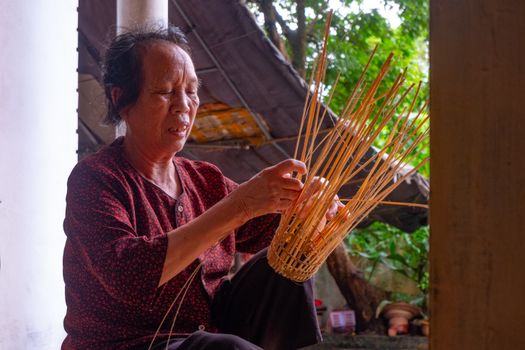
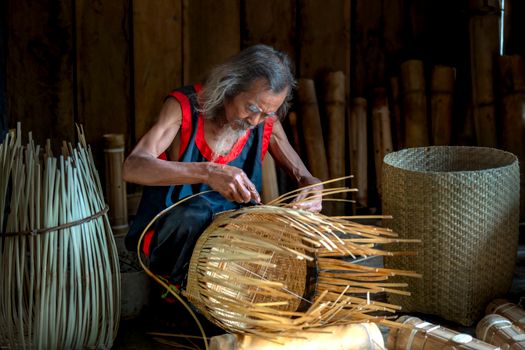
A close examination of construction methods reveals much about a basket’s authenticity. Traditional American baskets are typically handwoven, with each tribe or region developing unique patterns and techniques:
- Twill Weave: Often found in Cherokee and Chitimacha baskets, this method creates diagonal lines. Authentic twill weave baskets show slight irregularities and tight intersections. - Coiling: Used by Native American groups in California and the Southwest, coiling involves sewing bundles of grass or pine needles in spirals. Authentic coiled baskets feature visible stitches and subtle color gradations. - Plaiting: Common in New England and the Midwest, plaited baskets display checkerboard or herringbone patterns. Hand-plaited baskets may have minor asymmetries, while machine-made versions are uniformly perfect.Machine-made baskets, often imported, lack the subtle imperfections and tactile quality of handwoven pieces. A 2020 study by the National Basketry Organization found that handwoven traditional baskets have 10-20% more variability in weave tightness compared to mass-produced items.
Regional Styles and Motifs: Decoding Cultural Identity
American traditional baskets are as diverse as the cultures that create them. Recognizing regional styles and motifs is essential for identification:
- Southwest: Hopi and Apache baskets are renowned for their bold geometric designs, often incorporating natural dyes from local plants and minerals. - Northeast: Penobscot and Mohawk baskets frequently feature intricate ash splint work, with “curl” decorations and colorful porcupine quill inlays. - Southeast: Cherokee and Choctaw baskets utilize double-weaving and natural dyes, with patterns symbolizing water, mountains, or animals. - Midwest: Ho-Chunk and Ojibwe baskets often use birch bark and feature floral or thunderbird motifs.Collectors should be wary of baskets with mismatched materials and motifs (e.g., a “Cherokee” basket with a Southwestern design), which suggest inauthenticity or modern reinterpretation.
Provenance and Documentation: Tracing a Basket’s Journey
Provenance—the documented history of an object—is a cornerstone of authentication. Genuine American traditional baskets often come with:
- Maker’s Signature or Mark: Some contemporary Native basketmakers sign their work, while older baskets may have tags or marks from historical exhibitions or collections. - Tribal Certification: Several tribes, such as the Eastern Band of Cherokee Indians, provide certificates of authenticity for baskets made by recognized artisans. - Historical Documentation: Baskets with exhibition catalogs, gallery records, or previous ownership by notable collectors have stronger claims to authenticity.A 2019 survey by the Association of Tribal Art Dealers found that baskets with clear documentation fetch prices up to 40% higher than similar undocumented items. Lack of provenance does not always mean a basket is fake, but detailed documentation strengthens authenticity claims.
Comparing Authentic and Reproduction Baskets: Key Differences at a Glance
To make the identification process easier, here’s a side-by-side comparison of authentic American traditional baskets and reproductions:
| Feature | Authentic Basket | Reproduction/Fake |
|---|---|---|
| Material | Natural fibers (rivercane, oak, sweetgrass, willow, ash) | Synthetic fibers or non-native materials |
| Weaving Technique | Handwoven with minor irregularities | Machine-made, uniform weave |
| Regional Motifs | Consistent with tribal/region’s tradition | Mismatched or generic patterns |
| Provenance | Documented maker, tribe, or collection history | No documentation or unverifiable claims |
| Age and Patina | Visible aging, natural wear, and patina | Looks new, artificial aging, or no wear |
Scientific Tools and Techniques for Authentication
While traditional methods rely on the eye and expertise of collectors, science is playing an increasing role in basket authentication:
- Fiber Analysis: Microscopic examination can distinguish between native American plant fibers and imported substitutes. - Dye Testing: Chemical analysis of dyes reveals whether natural, regionally accurate materials were used, or if modern synthetics are present. - Radiocarbon Dating: For older baskets, carbon dating can help determine the age of organic materials, though this is typically reserved for museum-grade pieces.For example, a 2018 case study at the Peabody Museum used fiber analysis to confirm that a suspected 19th-century Penobscot basket was indeed made from locally harvested black ash, cementing its authenticity.
Final Thoughts: The Value of Informed Collecting
Mastering the identification of authentic American traditional baskets requires patience, research, and a willingness to learn from both experts and the baskets themselves. By focusing on materials, construction methods, regional styles, and provenance, collectors and enthusiasts can confidently distinguish genuine artifacts from reproductions. As interest in traditional crafts continues to grow, being able to recognize authenticity not only protects your investment but also honors the legacy of America’s basket makers. Let the story woven into every authentic basket enrich your understanding and appreciation of this remarkable art form.