Identifying Authentic American Traditional Baskets: A Detailed Guide
The world of American traditional baskets is one of artistry, heritage, and cultural significance. For collectors, museums, and enthusiasts, distinguishing authentic baskets from modern reproductions or imports is crucial—not only to preserve history but also to honor the skill and stories woven into each piece. However, with the growing popularity of basket collecting and the influx of imitations in the market, the task of identifying genuine American traditional baskets can be challenging. This guide will walk you through the essential features, historical context, and expert techniques for verifying the authenticity of American traditional baskets.
The Cultural and Historical Roots of American Traditional Baskets
To accurately recognize authentic baskets, it is important to first understand their origins and significance. Basket weaving has been practiced across North America by Native American tribes, Shaker communities, and Appalachian artisans for centuries. Each region and cultural group developed unique styles, materials, and weaving techniques, often influenced by local resources and cultural needs.
For example, the Cherokee people are renowned for their double-woven rivercane baskets, while the Northeast's Wabanaki tribes specialize in sweetgrass and ash splint baskets. The Shakers, a religious group in the Northeast and Midwest, became famous for their highly functional, minimalist baskets during the 19th century. Historical records indicate that basket weaving in America dates back over 7,000 years, with some ancient baskets found in the Southwest’s dry caves preserved for millennia.
Today, these baskets are not just utilitarian objects but also important cultural artifacts. Their authenticity and provenance can significantly affect their historical value and price, with original Native American baskets sometimes fetching over $10,000 at auction.
Materials: The First Indicator of Authenticity
A crucial clue to authenticity lies in the materials used. Traditional American baskets were made from readily available, natural materials, often harvested and processed by hand. Each region favored different plants:
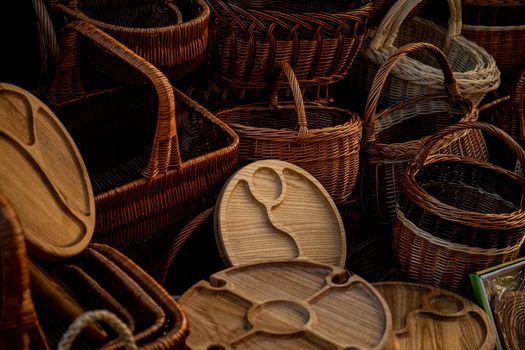
- Northeast: Black ash, sweetgrass, and birch bark - Southeast: Rivercane, white oak, and honeysuckle - Southwest: Willow, devil’s claw, yucca, and cottonwood - Midwest: Oak, maple, and hickory - Shaker: Ash, oak, and hickoryAuthentic baskets will often show evidence of hand processing—such as subtle tool marks, color variation, and the slight irregularity of plant fibers. Modern imitations and mass-produced imports tend to use commercial reed, rattan, or synthetic materials that are uniform in color and texture. For example, a genuine Penobscot basket will have the aromatic scent of sweetgrass and may show the outer bark’s natural color differences, whereas a reproduction might use dyed rattan with no scent.
According to a 2022 survey by the American Folk Art Museum, over 70% of fraudulent “traditional” baskets examined were made from imported rattan, not native materials.
Weaving Techniques and Patterns: Decoding the Craft
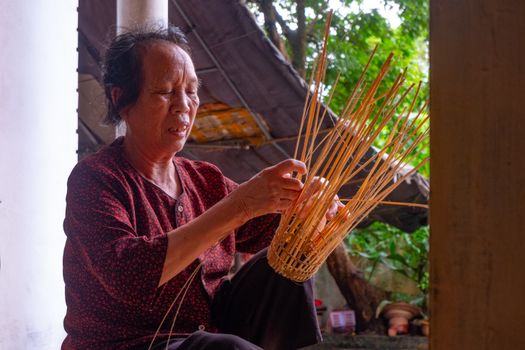
Each basket weaving tradition employed distinctive techniques and patterns passed down through generations. Close examination of the weaving can reveal whether a basket is authentic:
- Double-woven baskets: Found in Cherokee and Choctaw traditions, these have two layers, with the interior and exterior woven separately and joined at the rim. - Coiling: Common in the Southwest, coils are stitched together with yucca or willow, creating tight, intricate patterns. - Splint weaving: Used in the Northeast and Midwest, flat strips of wood (ash or oak) are woven in over-under patterns.Authentic baskets often feature complex and region-specific designs, such as the “friendship” pattern in Wabanaki baskets or the geometric motifs of Pima baskets. Machine-made or mass-produced items will usually have loose, repetitive, or inconsistent weaving. In contrast, genuine traditional baskets exhibit tightness, symmetry, and attention to detail. Handwoven baskets may also have minor irregularities—a hallmark of genuine craftsmanship.
Signs of Age and Provenance
Age is a critical factor in determining a basket’s authenticity. While not all authentic baskets are old, older baskets carry additional historical value. Here are key indicators:
- Patina: Over time, natural materials develop a mellow, rich patina—an aged appearance that cannot be easily faked. This may include darkening, minor wear, or a subtle sheen from handling. - Wear patterns: Look for signs of use, such as worn handles, frayed edges, or softened bases. However, excessive damage may lower value. - Provenance: Documentation or oral history linking the basket to a specific maker, tribe, or period dramatically increases authenticity. Museums and serious collectors often maintain detailed records.Be cautious of artificially aged baskets. Some forgers use staining or abrasion to mimic age. Compare these features to known examples and consult reference books or experts when in doubt.
Spotting Reproductions and Imports: Key Differences
The market is flooded with baskets labeled as “traditional American,” but many are reproductions or imports from Asia and Africa. These often mimic American styles but lack the authentic materials, techniques, and cultural context.
Below is a comparison table to help differentiate:
| Feature | Authentic American Traditional Basket | Reproduction/Import |
|---|---|---|
| Materials | Native plants (ash, oak, rivercane, sweetgrass) | Rattan, bamboo, synthetic fibers |
| Weaving | Hand-woven, region-specific patterns, tight construction | Machine-made or loosely woven, generic/plain patterns |
| Finish | Natural patina, variable color, hand-carved handles/embellishments | Uniform color, glossy finish, mass-produced handles |
| Provenance | Documented maker/tribe, historical record | No documentation, generic labeling |
| Price Range (2023) | $200 - $10,000+ | $10 - $200 |
According to the Smithsonian Institution, over half of the “Native American-style” baskets sold online are imports or reproductions, not authentic works.
Expert Resources and Authentication Tools
For those serious about collecting or studying traditional American baskets, several resources and tools can aid in authentication:
- Reference books: Titles such as "North American Indian Basketry" by Stephen Van Dyk and "Baskets and Basket Makers in Southern Appalachia" by John Rice Irwin offer detailed identification guides. - Museum collections: Institutions like the National Museum of the American Indian or the Heard Museum provide online catalogs and high-resolution images of authentic baskets. - Professional appraisers: Certified appraisers or tribal cultural centers can provide authentication services, including provenance research. - Scientific analysis: Advanced techniques like radiocarbon dating, pigment analysis, and fiber identification are sometimes employed for high-value pieces.Additionally, several tribal arts organizations maintain artist registries and can verify the authenticity of baskets attributed to their communities.
Final Tips for Identifying Authentic American Traditional Baskets
Identifying an authentic American traditional basket is a rewarding process that combines research, observation, and respect for tradition. Here are final tips for success:
- Handle baskets gently and look for natural signs of wear and age, while avoiding pieces with excessive artificial aging. - Compare suspected baskets to documented examples in museums or reputable collections. - Seek out baskets with clear provenance or maker signatures. Some contemporary Native American and Shaker artists continue to sign their work. - Beware of “too perfect” baskets—handmade baskets will always have slight irregularities. - When in doubt, consult experts or appraisers, especially before making significant purchases.By combining historical knowledge, careful observation, and expert resources, you can confidently identify authentic American traditional baskets and contribute to the preservation of this unique art form.