The Influence of American Traditional Baskets on Modern Design
The world of design is a continuous tapestry, woven from threads of history, culture, and innovation. One of the most fascinating intersections of past and present can be found in the enduring legacy of American traditional baskets. From their practical origins to their intricate artistry, these baskets have not only served utilitarian purposes but have also inspired generations of designers, makers, and architects. Today, the influence of American traditional baskets extends far beyond museums and historical collections, shaping modern aesthetics, sustainable practices, and even contemporary architecture.
In this article, we will explore how American traditional baskets have left an indelible mark on modern design, highlighting key examples, stylistic elements, and the broader implications for the creative industries. By examining this unique fusion of heritage and innovation, we gain a deeper appreciation for how time-honored crafts continue to shape the world around us.
From Utility to Inspiration: The Roots of American Basketry
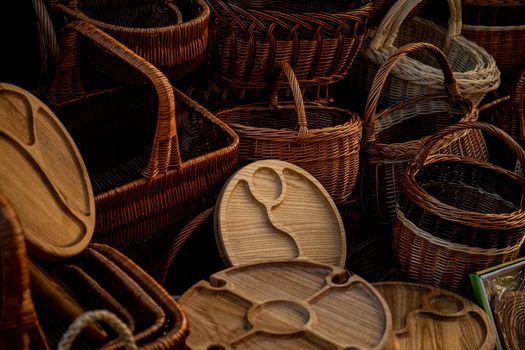
American traditional baskets have their origins deeply rooted in necessity. Indigenous communities, as well as early settlers, relied on baskets for carrying, storing, and processing food, clothing, and other essentials. Each region developed its own distinctive styles, techniques, and materials, from the sweetgrass baskets of the Gullah people in the Southeast to the coiled pine needle baskets of the Southwest.
By the late 19th century, as industrialization transformed lifestyles, the utilitarian demand for baskets began to wane. However, their intricate patterns, natural materials, and symbolic meanings became sources of fascination for collectors and artists alike. The Arts and Crafts movement of the late 1800s and early 1900s, which emphasized handcraftsmanship and natural beauty, embraced basketry as both an art form and a design influence. Today, these historical threads are woven into the fabric of modern design, where tradition and innovation coalesce.
Key Elements of Traditional Baskets in Contemporary Design
Several core features of American traditional baskets have surfaced in modern design, both in visual language and in materials used. These elements provide a rich source of inspiration for furniture makers, interior designers, and industrial designers. Let’s look at some of the most influential aspects:
1. $1 The distinctive plaiting, twining, and coiling techniques of basketmakers are now echoed in modern textiles, lampshades, and even architectural facades. The repetition of these patterns creates visual rhythm and texture that appeal to contemporary tastes. 2. $1 Traditional basketry relies heavily on accessible, eco-friendly resources like willow, oak, reed, and sweetgrass. Modern designers, responding to demands for sustainability, have revisited these materials or sought to replicate their textures with bamboo, rattan, and recycled fibers. 3. $1 Baskets seamlessly blend beauty and utility. This balance has influenced modern product design, where everyday objects—from storage containers to seating—prioritize both form and function. 4. $1 Many American baskets incorporate meaningful designs, such as zigzags, stars, or spirals, each telling a cultural story. Contemporary designers often reinterpret these motifs, bringing deeper narratives into their works.Case Studies: Modern Design Inspired by American Basketry
The impact of basketry on modern design is best illustrated through real-world examples. Here are three notable instances where traditional techniques and aesthetics have inspired contemporary creators:
1. $1 The “Nest Chair” by designer Neri&Hu features an interwoven wood frame reminiscent of classic basket construction. Its open structure not only references historical techniques but also offers a lightweight, airy aesthetic suited to modern interiors. 2. $1 Brands such as Muuto and Tom Dixon have introduced pendant lamps that use woven bamboo, rattan, or resin, directly inspired by basket forms. The diffusion of light through interlaced materials creates unique shadow patterns, enhancing the ambiance of modern spaces. 3. $1 The National Museum of the American Indian in Washington, D.C., features a façade with undulating patterns inspired by basket weaving, symbolizing unity and the interconnection of cultures. Similarly, the 2018 Serpentine Pavilion in London, designed by Frida Escobedo, incorporated traditional weaving logic into its latticework design.Comparing Traditional Baskets and Modern Design Applications
The transformation of basketry from practical object to design inspiration can be seen by comparing original baskets with their modern counterparts. The table below highlights key differences and similarities:
| Aspect | Traditional American Baskets | Modern Design Applications |
|---|---|---|
| Primary Purpose | Carrying, storage, ceremonial | Decor, furniture, lighting, architecture |
| Materials | Sweetgrass, willow, reed, pine needles | Bamboo, rattan, metals, synthetics, recycled materials |
| Techniques | Plaiting, twining, coiling | Adapted weaving, interlacing, digital fabrication |
| Symbolism | Cultural narratives, spiritual motifs | Abstracted or referenced motifs, storytelling through design |
| Environmental Impact | Biodegradable, locally sourced | Focus on sustainability, varying impact based on material choice |
This comparison underscores how the essence of basketry is preserved and transformed, allowing age-old skills to find new relevance in a rapidly changing world.
The Role of Sustainability: Basketry’s Green Legacy in Design
In an era of climate consciousness, the sustainable ethos of traditional basketry has found renewed relevance. According to the Environmental Protection Agency (EPA), the U.S. generated more than 12 million tons of furniture waste in 2018, much of it non-biodegradable. Designers are now turning to the wisdom of basketmakers, who have always prioritized renewable, biodegradable, and locally sourced materials.
Several modern brands have made eco-friendly design a cornerstone of their identity. For instance, IKEA reported in 2022 that 60% of its product range uses renewable or recycled materials, with woven baskets and furniture playing a significant role. Similarly, small studios across North America are reviving basket-inspired weaving techniques using hemp, seagrass, and recycled plastics.
Not only do these materials reduce environmental impact, but the techniques themselves often require less energy and water than industrial manufacturing. This holistic approach—combining sustainable sourcing, low-impact production, and timeless aesthetics—makes basket-inspired design a blueprint for the future.
American Basketry and the Modern Maker Movement
The resurgence of interest in handcraft and DIY culture, often referred to as the "maker movement," has brought traditional basketry techniques to a new generation. According to the Craft Industry Alliance, participation in crafting activities in the U.S. increased by 20% between 2019 and 2023, with weaving and basketmaking workshops experiencing particularly strong growth.
Modern makers and artisans are not just replicating old designs; they are innovating with scale, materials, and form. For example, basket-inspired wall art, room dividers, and even bicycle baskets integrate digital fabrication methods, such as laser cutting and 3D printing, with time-honored weaving techniques.
Online platforms like Etsy report over 45,000 listings for basket-inspired home goods, ranging from lampshades to planters, highlighting the widespread appeal and enduring relevance of this craft. Social media, too, has played a key role, with hashtags like #basketweaving and #modernbasketry amassing millions of views on Instagram and TikTok.
Why the Influence of American Traditional Baskets Endures
The continued influence of American traditional baskets on modern design is not merely a trend—it is a testament to the power of craft, heritage, and ingenuity. By bridging the gap between the past and the present, basket-inspired design offers a sense of connection, sustainability, and authenticity that resonates in our increasingly digital world.
Designers, architects, and makers are rediscovering the value of handwork, the beauty of natural materials, and the importance of storytelling through objects. Whether in the subtle curve of a chair, the woven shade of a lamp, or the textured wall of a building, the spirit of American traditional baskets lives on—adapted, reimagined, and celebrated for generations to come.