The Connection between American Traditional Baskets and Indigenous Cultures
Woven baskets are more than simple objects—they are living testaments to America’s Indigenous cultures, rich in meaning, artistry, and history. Across North America, baskets have served as vital tools, sacred vessels, and powerful symbols of identity and resilience. Understanding the connection between American traditional baskets and Indigenous cultures unveils a tapestry of interwoven stories, techniques, and traditions that continue to shape communities today.
Rooted in the Land: Materials and Regional Styles
Indigenous basketry is inherently tied to the land. Native artisans have long utilized locally sourced materials, which not only influenced the look and feel of their baskets but also reflected a deep relationship with their environment. For example, the Cherokee people of the Southeast traditionally use river cane, white oak, and honeysuckle vines. In contrast, tribes of the Pacific Northwest, like the Tlingit and Haida, rely on cedar bark and spruce roots, while tribes in the Southwest, such as the Hopi and Apache, use yucca, willow, and devil’s claw.
These regional materials result in distinct basketry styles. Southwestern coiled baskets are famed for their tight, intricate patterns and vibrant dyes, often made from native plants. Northeastern tribes like the Wabanaki are known for ash splint and sweetgrass baskets, recognizable by their smooth finishes and subtle fragrances. The materials and methods are not random choices—they represent centuries of adaptation to local ecosystems and the wisdom of sustainable harvesting.
Cultural Functions: Daily Life, Ceremony, and Trade
Baskets in Indigenous communities have always been far more than utilitarian objects. In daily life, baskets served as storage containers, cooking pots, cradles, and even hats. For example, archaeological findings in Nevada’s Lovelock Cave uncovered baskets dating back over 9,000 years, demonstrating their essential role since prehistoric times.
Beyond practical use, baskets played crucial ceremonial roles. In California, Pomo women wove feathered and beaded baskets for rituals, gifting, and burial ceremonies. The intricate detail and symbolic motifs woven into these baskets represented prayers, stories, and connections to ancestors. The Chumash, too, included baskets in rites of passage and healing ceremonies.
Baskets were also a currency of trade, both within and between tribes and with European settlers. Basketry became a valuable commodity in the 19th and 20th centuries, with some pieces fetching high prices in local and national markets. This economic role helped sustain traditions but also introduced challenges, such as cultural appropriation and commercialization.
Symbols and Stories: The Language of Basketry Designs
The designs and motifs woven into Indigenous baskets are more than decorative—they are a form of visual language. Many patterns have specific meanings, passed down through generations. For instance, the Hopi often weave symbols representing rain, clouds, or corn, vital for their agricultural life. In the Southeast, double-weave river cane baskets feature geometric patterns that can indicate clan lineage or historic events.
Pomo baskets are renowned for their “feather baskets,” which incorporate delicate feathers in elaborate designs, each pattern telling a story of the weaver’s family, dreams, or natural surroundings. The Haudenosaunee (Iroquois) use raised beadwork and symbolic imagery, such as the “Tree of Peace,” to convey spiritual beliefs and cultural narratives.
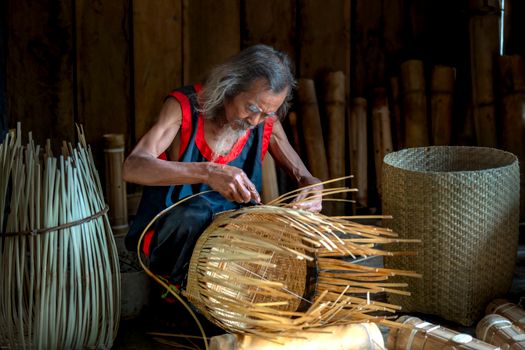
Through basketry, knowledge is transmitted. Children learn not just the technical skills of weaving but also the stories, songs, and values of their people. In this way, each basket becomes a vessel of both function and cultural memory.
Preservation, Adaptation, and Revival in Modern Times
The 20th century brought immense challenges to Indigenous basketry traditions. Colonization, forced relocations, and boarding schools disrupted the transmission of cultural knowledge. Many traditional materials became scarce due to deforestation and environmental change. Yet, Indigenous artisans proved resilient, finding ways to adapt and revive their basketry heritage.
In recent decades, efforts to preserve and revitalize basket-making have gained momentum. Tribal programs, museums, and cultural centers now offer workshops and apprenticeships. For example, the California Indian Basketweavers Association, founded in 1991, plays a vital role in supporting weavers, protecting gathering sites, and educating the public.
Modern Indigenous basket makers are also innovating—some incorporate contemporary materials or blend traditional techniques with new forms of artistic expression. Others use basketry as a means of activism, advocating for land rights and environmental justice. The resurgence of basketry is not just about art; it is about cultural survival and self-determination.
Comparing Indigenous Basketry Traditions Across America
The diversity of Indigenous basketry across North America is striking. While there are common threads—such as an emphasis on community, sustainability, and storytelling—each tribe brings its own unique approach. The table below highlights some key differences and similarities among several prominent basket-making cultures.
| Tribe/Region | Primary Materials | Main Techniques | Distinctive Features | Symbolic Motifs |
|---|---|---|---|---|
| Cherokee (Southeast) | River cane, white oak, honeysuckle | Single/double-weave, plaiting | Geometric patterns, dual-layered baskets | Clan symbols, animals, mountains |
| Pomo (California) | Willow, sedge root, feathers | Coiling, twining | Miniature feathered baskets, beadwork | Nature scenes, dreams, family stories |
| Hopi (Southwest) | Yucca, willow, galleta grass | Coiling | Brightly dyed patterns, ceremonial plaques | Rain, clouds, corn, migration symbols |
| Haida (Pacific Northwest) | Cedar bark, spruce root | Twining, plaiting | Hat-shaped baskets, waterproofing | Ravens, whales, clan crests |
| Wabanaki (Northeast) | Brown ash, sweetgrass | Plaiting, coiling | Fancy baskets, sweetgrass braiding | Stars, flowers, geometric bands |
The Role of Baskets in Cultural Continuity and Identity
For Indigenous peoples, basketry is a living tradition—an anchor in the ever-shifting tides of history. Baskets serve as tangible links to ancestors and as symbols of ongoing resilience. According to the Smithsonian Institution, there are over 250 distinct Indigenous groups in the United States alone, many of which maintain unique basket-making practices.
Research shows that participating in traditional arts like basketry helps strengthen community ties and cultural identity. A 2018 study found that Native youth involved in cultural practices, including basket weaving, reported higher self-esteem and a stronger sense of belonging. Elders who teach basketry are revered as knowledge keepers, and intergenerational transmission of skills helps heal the wounds of cultural loss.
Basketry also connects Indigenous communities across miles and generations. Annual gatherings, such as the Gathering of Basket Makers in Maine or the California Basketweavers Gathering, draw artisans from diverse tribes to share techniques, trade stories, and celebrate their heritage. These events reinforce the role of basketry as both a cultural and communal bond.
Final Reflections: Honoring the Legacy of Indigenous Basketry
The story of American traditional baskets is inseparable from the story of Indigenous cultures. Each woven strand carries with it lessons about ecology, spirituality, artistry, and endurance. In a time when cultural diversity is increasingly valued, recognizing and respecting the Indigenous origins of American basketry is more important than ever.
As we admire the beauty and craftsmanship of traditional baskets, we must also acknowledge the people who continue to weave them and the histories they represent. Supporting Indigenous artisans, learning about tribal basketry traditions, and advocating for the protection of natural resources are all ways to honor this living legacy.
From everyday utility to spiritual significance, from regional variation to shared heritage, the connection between American traditional baskets and Indigenous cultures remains vibrant and vital—a testament to the enduring strength and creativity of America’s first peoples.