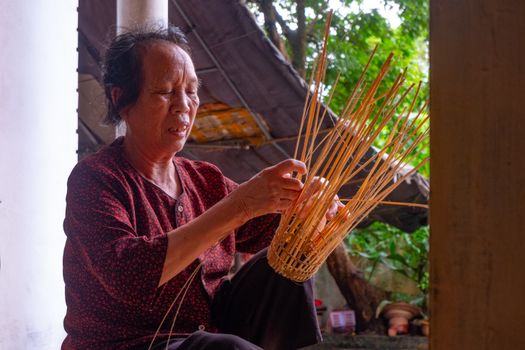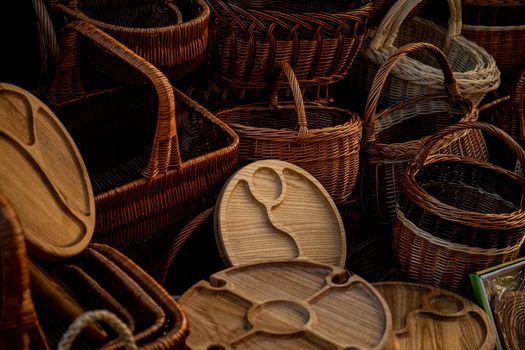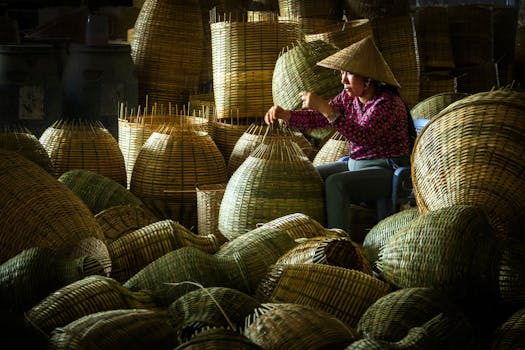
For centuries, basket weaving has been a vital part of American culture, with roots stretching deep into Indigenous traditions and colonial craft. While much has been written about the artistry and cultural significance of traditional basketry, its relationship to the environment is less frequently explored. As the world turns its attention to sustainability and ecological responsibility, it is time to examine the environmental impact of traditional American basket weaving. How do the materials, methods, and scale of this craft affect ecosystems, resource cycles, and local biodiversity? Is traditional basket weaving an ally of environmental stewardship, or are there hidden challenges beneath the surface?
The Roots of Resource Use in Traditional American Basket Weaving
Traditional American basket weaving is intrinsically linked to the natural world. Artisans depend on plant-based materials harvested from local environments: black ash, river cane, willow, sweetgrass, and other native species. For generations, Indigenous and rural communities have developed techniques for gathering these resources in ways that respect ecological cycles.
Historically, the scale of harvesting was small and highly localized, with baskets made for household use, ceremonial purposes, or local trade. For example, Wabanaki basketmakers in Maine have relied on black ash trees for centuries, harvesting only mature trees and leaving younger ones to grow. This selective approach limited environmental disruption.
However, modern pressures, including increased demand, invasive pests, and changes in land use, have shifted the dynamic. According to a 2017 study by the Forest Service, black ash populations in the Midwest and Northeast have declined by over 60% due to the emerald ash borer, an invasive beetle. When traditional basket weaving relies on at-risk species, the impact on local ecosystems can be severe.
Sourcing Materials: Sustainability vs. Scarcity
The environmental impact of basket weaving hinges largely on how materials are sourced. Traditional practices typically favored sustainable harvesting, in contrast to some modern commercial operations that can overexploit plant resources.
Let’s examine two commonly used materials:
- Black Ash: This tree species is integral to Northeastern and Great Lakes basketry. Artisans traditionally harvested only a few trees each year, allowing forests to regenerate. However, with the emerald ash borer now threatening 99% of remaining black ash trees in some states, the sustainability of this practice is in grave jeopardy. - River Cane: For Southeastern tribes, river cane is culturally and ecologically vital. River cane habitats have shrunk by 98% since European colonization, primarily due to agriculture and land development, leaving less material for weavers and impacting wetland biodiversity.In areas where traditional harvesting is still practiced, basketmakers often act as stewards of local habitats, encouraging regrowth and even participating in river cane restoration projects. Yet, when demand exceeds natural supply, or when invasive species decimate native plants, the ecological balance is threatened.
Comparing Traditional and Modern Basket Weaving: Environmental Dimensions
How does traditional American basket weaving compare to mass-produced, modern basketry in terms of environmental footprint? Key differences arise in materials, energy use, and waste generation.
| Aspect | Traditional American Basket Weaving | Modern Mass-Produced Basketry |
|---|---|---|
| Materials Used | Locally harvested plants (ash, willow, cane, sweetgrass) | Synthetic fibers, imported rattan, plastics, processed wood |
| Harvesting Impact | Selective, seasonal, often sustainable; risk from invasive species | Large-scale, sometimes unsustainable harvesting or fossil fuel-based synthetics |
| Transportation | Minimal: materials sourced nearby | High: materials and finished products often shipped internationally |
| Energy Use | Low: hand tools, no industrial processing | High: machinery, chemical treatments, factories |
| Biodegradability | Excellent: all-natural, compostable | Poor to moderate: plastics persist, treated wood may not decompose fully |
From this comparison, it is clear that traditional basket weaving, when practiced responsibly, has a significantly lower environmental footprint than its modern industrial counterparts. The main caveat is the sustainability of plant materials, which hinges on healthy ecosystems and responsible management.
Ecological Benefits: Stewardship and Biodiversity
Many traditional basket weavers see themselves as caretakers of the land. Their knowledge of plant cycles, soil health, and habitat dynamics often predates modern conservation science. In fact, Indigenous stewardship principles—such as taking only what is needed, rotating harvest locations, and replanting—have contributed to the preservation of rare plant communities.
For example, the Cherokee and Choctaw tribes in the Southeast have initiated river cane restoration projects, planting thousands of cane shoots to restore habitat and revive weaving traditions. According to the U.S. Fish & Wildlife Service, river cane can filter up to 60% of nitrogen and phosphorus from runoff, improving water quality and supporting local wildlife.
Additionally, basket weaving encourages the maintenance of wild and semi-wild landscapes. These environments provide habitat for pollinators, birds, and small mammals. By maintaining traditional harvesting grounds, weavers inadvertently protect broader ecological networks.
Hidden Challenges: Threats to Sustainability
Despite these ecological strengths, traditional American basket weaving faces significant environmental challenges:
1. $1: The emerald ash borer and similar pests threaten the very existence of key basketry plants. In some regions, black ash could become functionally extinct within a decade. This loss would not only devastate weavers but also upset forest ecosystems. 2. $1: Urbanization, agriculture, and land privatization have reduced access to wild harvesting grounds. In California, for example, only about 10% of traditional basket-plant habitats remain accessible to Indigenous gatherers. 3. $1: Shifts in rainfall, temperature, and growing seasons can disrupt the life cycles of basket plants. Droughts in the Southwest have reduced the availability of willow and sumac, materials essential for Pueblo and Hopi weavers. 4. $1: Some federal and state regulations unintentionally restrict the harvesting of native plants, even by traditional users. While intended to protect endangered species, these laws can make sustainable, small-scale gathering more difficult.Addressing these challenges requires a combination of scientific research, policy reform, and the active involvement of traditional knowledge holders.
Supporting Sustainable Basket Weaving Practices
Ensuring that traditional American basket weaving remains an environmentally positive practice demands proactive support from communities, policymakers, and consumers alike. Some promising solutions include:
- $1: Community-led planting and restoration projects can help replenish dwindling sources of river cane, black ash, and other vital plants. In 2022, the River Cane Restoration Alliance planted over 20,000 cane shoots across the Southeast. - $1: Universities and tribal organizations are partnering to study the effects of invasive species and climate change on basketry plants, helping to inform adaptive harvesting strategies. - $1: Amending harvesting regulations to recognize traditional users and sustainable practices can ensure continued access. For instance, some tribal groups have secured special permits for black ash harvesting on public lands. - $1: Supporting artisans who use locally sourced, sustainably harvested materials encourages responsible practices and helps maintain the economic viability of traditional weaving. - $1: Public awareness campaigns can highlight the ecological role of traditional basketry, fostering respect for both the craft and the ecosystems that sustain it.The Future of Traditional American Basket Weaving and Environmental Health
Traditional American basket weaving stands at a crossroads: it is both a potential model for sustainable resource use and a practice threatened by ecological and regulatory challenges. When grounded in respect for natural cycles and informed by generations of ecological knowledge, the craft can actively contribute to habitat preservation, biodiversity, and cultural resilience.
Yet, the survival of this tradition—and the ecosystems it depends on—requires ongoing vigilance and adaptation. By supporting habitat restoration, responsible harvesting, and respectful legal frameworks, we can help ensure that traditional basketry continues to benefit both people and the planet.