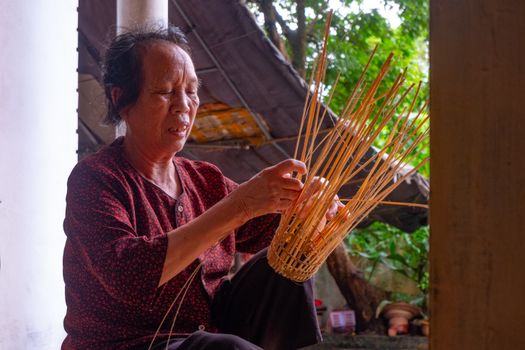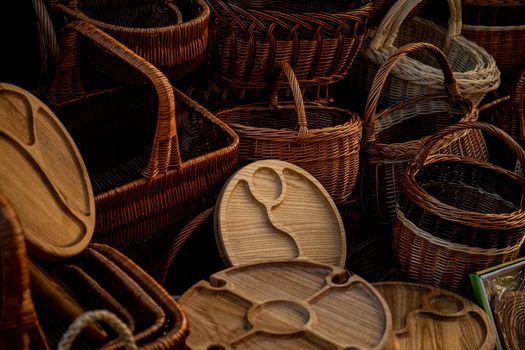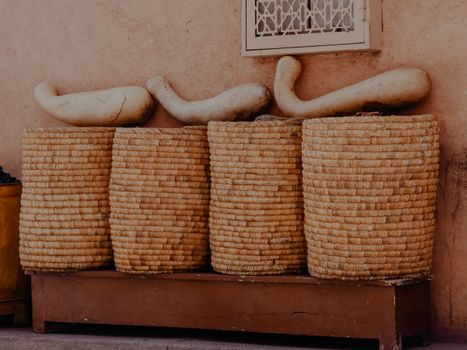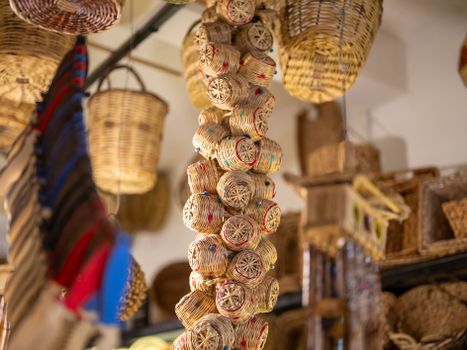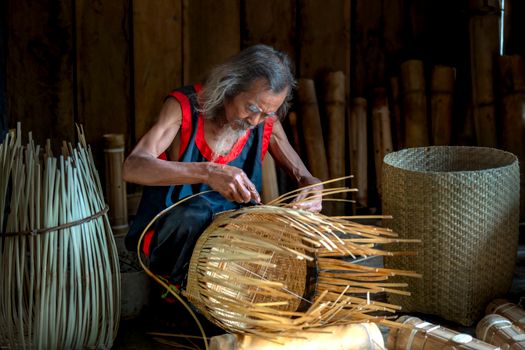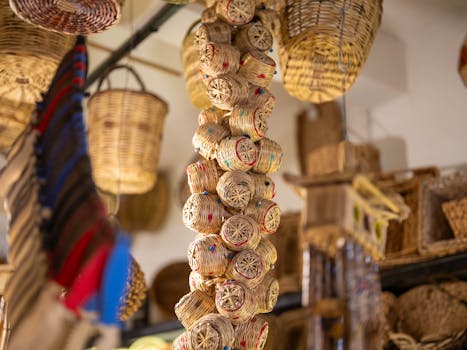
The humble basket, woven from reeds, grasses, or split wood, is far more than a utilitarian object. Across the United States, baskets have carried not just goods but deep layers of symbolism and meaning. From Native American spiritual practices to Shaker ideals of simplicity, baskets have woven their way into American life, culture, and identity. While certain traditions have faded, others endure, speaking to the resilience and adaptability of this ancient craft. In this article, we journey through the symbolism and meaning of baskets in the U.S., examining which traditions have stood the test of time and why these woven vessels continue to captivate the American imagination.
The Basket as a Symbol: More Than Mere Utility
Baskets have served as both practical tools and powerful symbols. In many cultures, the act of weaving a basket is a metaphor for interconnection, community, and continuity. In the United States, this symbolism takes on unique forms, influenced by indigenous, colonial, and immigrant traditions.
Native American tribes have long imbued baskets with sacred meanings. For example, the Hopi use baskets in ceremonial dances, where the spiral weave represents the journey of life and the cycles of nature. Baskets are often given as gifts for births, marriages, and other milestones, symbolizing abundance, nourishment, and protection. In Appalachia, baskets woven by settler families became emblems of resourcefulness and self-reliance, reflecting a pioneering spirit.
Across regions, baskets also symbolized hospitality. The Shakers, a religious group known for their ascetic lifestyle, crafted baskets that embodied their values of order, purity, and communal harmony. A Shaker basket on a doorstep was a sign of welcome—a tradition that still lingers in some rural communities.
Enduring Basket Traditions: Regional Variations That Last
While the art of basketry is global, specific American traditions have proven remarkably persistent. Each region developed distinctive basket styles, materials, and symbolic meanings tied to its environment and culture.
In the Northeast, Wabanaki and Iroquois basketmakers continue to weave with black ash and sweetgrass, materials native to their homelands. Their baskets, featuring intricate designs, carry forward stories and spiritual beliefs. The Cherokee of the Southeast have maintained their double-walled river cane baskets, whose patterns often encode clan symbols and local legends.
African American communities in the Lowcountry of South Carolina and Georgia developed the sweetgrass basket tradition, rooted in West African heritage. These baskets, originally used for rice cultivation, now symbolize cultural survival and artistry, with families like the Coopers and the Smalls passing the craft down through generations.
In the Southwest, Hopi, Apache, and Pima basketry remains a living art, with coiled and woven forms used in rituals and celebrations. Western states, meanwhile, are home to Pomo and Yokuts basketmakers, whose feathered and beaded baskets are prized for their beauty and spiritual resonance.
Baskets in Rituals, Ceremonies, and Storytelling
The symbolic meaning of baskets is perhaps most vivid in rituals and storytelling. Across the United States, baskets are more than containers—they are vessels for memory, identity, and the sacred.
Among Native American nations, baskets play central roles in rites of passage, healing ceremonies, and harvest festivals. For instance, the Apache use burden baskets in the Sunrise Ceremony, a coming-of-age ritual for girls. The basket, carried on the girl's back, symbolizes her readiness to bear life's responsibilities.
African American sweetgrass baskets have been used in “basket blessings,” where elders impart wisdom and prayers for prosperity. In the Pacific Northwest, baskets woven by the Salish and Makah peoples are filled with berries or shellfish during first foods ceremonies, marking the renewal of life and community bonds.
Baskets also serve as storytelling devices. Many Native basket weavers use specific patterns—such as the “friendship” or “mountain” motifs—to convey histories, dreams, and lessons. The act of weaving thus becomes an oral tradition in physical form, preserving culture for future generations.
The Evolution of Basket Symbolism in Modern America
As American society has modernized, the symbolic meanings of baskets have evolved. Today, baskets are often seen as emblems of heritage, sustainability, and artistry. Their endurance reflects changing attitudes toward tradition, environment, and identity.
For example, the resurgence of interest in handmade and artisanal goods has revived basketry as a symbol of slow living and environmental stewardship. According to a 2022 report by the American Craft Council, there has been a 35% increase in basket weaving workshops and classes since 2015, indicating a renewed appreciation for the craft’s cultural and ecological significance.
Baskets are also prominent in museum collections and contemporary art, where they symbolize resilience and adaptation. Artists like Shan Goshorn (Eastern Band Cherokee) have used basket forms to explore themes of cultural survival and social justice, weaving documents and photographs into their works.
Additionally, baskets have become popular gifts for weddings, baby showers, and housewarmings, retaining their traditional symbolism of abundance, care, and connection even in a digital age.
Comparing Basket Traditions: Endurance and Change
To better understand which basket traditions have endured in the United States, it’s helpful to compare their origins, symbolic meanings, and current status. The table below provides a snapshot of some of the most significant American basket traditions.
| Tradition | Region | Symbolic Meaning | Current Status |
|---|---|---|---|
| Wabanaki Ash Baskets | Northeast | Life cycles, connection to land | Active, taught in tribal programs |
| Cherokee River Cane Baskets | Southeast | Clan identity, storytelling | Enduring, with ongoing apprenticeships |
| Sweetgrass Baskets | Lowcountry, SC/GA | Cultural memory, resilience | Vibrant, featured at markets and festivals |
| Hopi Coiled Baskets | Southwest | Spiritual protection, ceremonial use | Practiced, with ceremonial and artistic roles |
| Shaker Baskets | New England | Order, hospitality | Historic, but revived by craftspeople |
| Pomo Feathered Baskets | California | Beauty, spiritual power | Revitalized, exhibited in museums |
Why Basket Symbolism Endures in American Culture
The endurance of basket symbolism in the United States can be traced to several powerful factors. First, baskets are inherently communal objects, often created in groups and passed through families. This fosters a sense of belonging and continuity. Second, the materials used—ash, sweetgrass, river cane—root the craft in specific landscapes, creating a tactile link to place and tradition.
Third, baskets are adaptable. As needs and contexts change, so do the forms and meanings of baskets. For example, sweetgrass baskets once used for rice winnowing are now popular as decorative and functional art. Even as industrial containers replaced many traditional uses, baskets have found new life as symbols of identity, resistance, and creativity.
Lastly, the act of weaving itself is meditative and meaningful. For many makers, basketry is a source of healing, empowerment, and spiritual connection. This explains why, despite centuries of social and technological change, basket traditions continue to thrive in Native, African American, and rural communities across the country.
Final Reflections: The Lasting Legacy of American Basketry
Baskets in the United States are far more than functional objects—they are woven records of history, spirit, and survival. Whether in a museum, a market, or a family home, baskets carry stories of the land and the people who shape it. While some traditions have faded, many others remain vibrant, testifying to the enduring power of craft, culture, and connection.
From the ceremonial baskets of the Hopi to the sweetgrass coils of the Gullah, these vessels speak of abundance, resilience, and the interweaving of lives and generations. In an age of rapid change, their enduring symbolism reminds us of the importance of roots, relationships, and the art of making meaning with our hands.