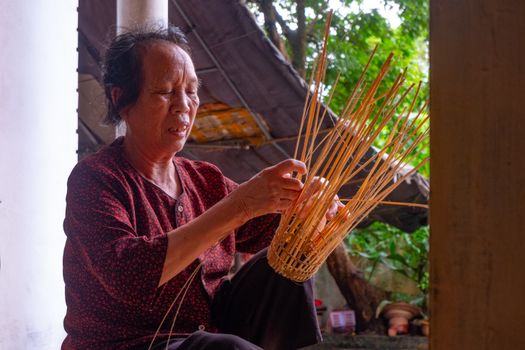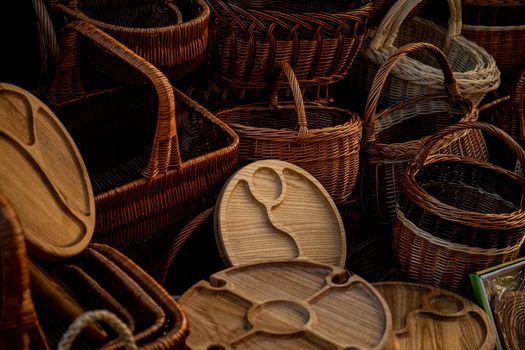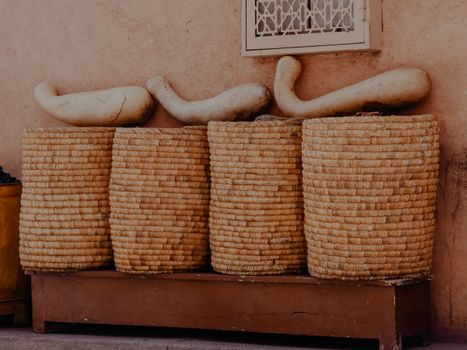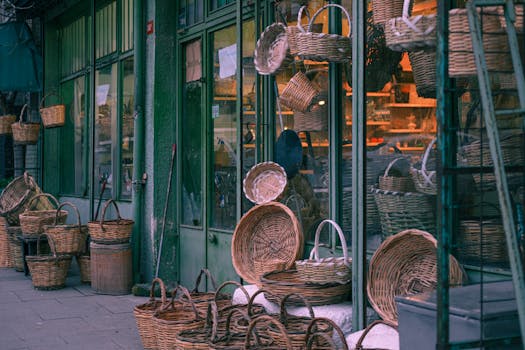
The art of basket weaving is as old as civilization itself, yet few crafts carry the deep-rooted heritage and diversity found in traditional American baskets. From the intricately coiled willow baskets of the Southwest's Native American tribes to the sturdy splint baskets of New England’s Shakers, these woven wonders are more than utilitarian objects—they are living records of culture, craftsmanship, and community. However, as basket collecting grows in popularity, so does the challenge of distinguishing genuine traditional American baskets from contemporary reproductions or imports. Whether you’re a collector, a history enthusiast, or simply captivated by the artistry, learning how to identify authentic traditional American baskets is both a rewarding and essential skill.
The Rich Diversity of Traditional American Baskets
Before diving into authentication techniques, it’s crucial to understand the sheer breadth of traditional American basketry. Across the United States, dozens of distinct basket-making traditions have evolved, shaped by geography, available materials, and cultural influences.
For example, the Cherokee of the Southeast are known for their double-walled river cane baskets, often featuring bold geometric patterns dyed with natural pigments like black walnut or bloodroot. In contrast, the Pomo people of California have perfected feathered gift baskets, incorporating tiny quail plumes and clam shell beads. Meanwhile, the Penobscot and Passamaquoddy tribes of Maine are famous for their sweetgrass and ash splint baskets, woven with exceptional precision.
According to the Smithsonian Institution, over 500 different Native American tribes have unique basket styles, and even within non-Native traditions, such as the Appalachian or Shaker communities, there is remarkable variety. Recognizing the hallmarks of these traditions is the first step in authenticating a basket.
Material Matters: Spotting Genuine American Basketry Fibers
One of the most reliable ways to identify an authentic traditional American basket is by examining the materials. Each region and culture utilizes locally sourced fibers, which often differ significantly from those found in imported or modern imitation baskets.
Traditional American basketry materials include:
- Black ash (Fraxinus nigra): Used by Great Lakes and Northeastern tribes. - River cane (Arundinaria gigantea): Favored by Southeastern tribes like the Cherokee and Choctaw. - Willow and sumac: Common in Southwestern and Californian traditions. - Sweetgrass (Hierochloe odorata): Used extensively in Northeastern and Gullah basketry. - Oak and hickory splints: Popular in Appalachian and Shaker baskets.Genuine baskets will display telltale signs of hand-harvested and processed materials. Look for irregularities in the width and color of splints or fibers—machine-made materials are typically uniform and lack the subtle texture and natural variation of handmade preparations. In addition, traditional dyes derived from roots, bark, and minerals will often produce earthy tones rather than the bright, synthetic colors found in many contemporary pieces.
Weaving Techniques: Decoding the Methods of the Masters
Beyond materials, the construction method is a powerful indicator of authenticity. Traditional American baskets are created using time-honored techniques passed down through generations. These include:
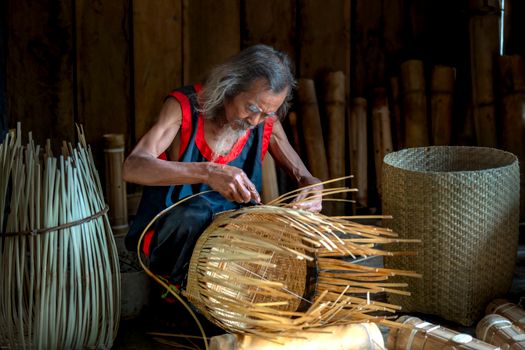
- Coiling: Used in the Southwest and among California tribes, this method involves spiraling a core material and stitching it in place with flexible plant fibers. - Twining: Common among Pacific Northwest Coast baskets, twining uses two or more weft strands twisted around vertical warps to create intricate patterns. - Plaiting: Seen in splint baskets from the Northeast and Southeast, plaiting involves interlacing flat splints in an over-under pattern. - Wickerwork: Characteristic of Shaker and Appalachian baskets, this method uses round or flat reeds woven in a structured framework.Expert basket makers may combine techniques within a single piece. Authentic traditional baskets show an even, tight weave, but minor imperfections—such as slightly uneven rows or subtle changes in tension—indicate the human hand at work. Machine-woven or mass-produced baskets often appear too perfect, with identical stitches and no evidence of the maker’s touch.
Signs of Age and Use: What Time Tells Us
While some collectors prize pristine examples, many of the most valuable traditional American baskets show signs of age and genuine use. These indicators can help verify authenticity:
- Patina: Over decades, natural fibers develop a soft sheen or darkening, especially on areas handled frequently. - Wear patterns: Look for gentle fraying on rims or handles, and subtle flattening on the base—signs the basket was used, not merely displayed. - Repair marks: Traditional repairs, such as stitched reinforcements or added splints, suggest a basket valued and maintained over time.However, beware of artificial aging. Some unscrupulous sellers attempt to “antique” modern baskets with stains or mechanical distress. True aging is uneven and follows logical lines of wear, while faked patina often appears uniform or suspiciously dark.
Provenance, Makers, and Documentation
Provenance—the basket’s history of ownership—is a critical factor in authentication. Baskets with documented origins, such as those acquired directly from the maker or through reputable dealers, are easier to verify. Seek out baskets with:
- Maker’s marks: Some modern Native American basket makers sign their work with initials, names, or tribal symbols, often discreetly inscribed on the base or rim. - Written documentation: Receipts, gallery tags, or exhibition records can greatly enhance a basket’s credibility. - Oral history: Stories passed down from previous owners, especially when consistent with the basket’s style and region, can offer valuable context.Between 2015 and 2020, museum collections in the United States saw an increase of 15% in documented basket acquisitions, highlighting the growing importance of provenance in the market.
Comparing Authentic Traditional American Baskets and Reproductions
To further clarify the distinctions, here is a comparison table outlining the key differences between authentic traditional American baskets and common reproductions or imports:
| Feature | Authentic Traditional American Baskets | Reproductions/Imports |
|---|---|---|
| Materials | Native plant fibers (ash, cane, willow, sweetgrass); natural dyes | Rattan, bamboo, plastic; synthetic dyes |
| Weaving Technique | Handwoven; coiling, twining, plaiting, wickerwork | Often machine-woven; uniform appearance |
| Signs of Age | Natural patina, wear, occasional repairs | Little to no wear; artificial distress sometimes present |
| Maker’s Mark | Occasional; initials, symbols, or signatures | Rare or absent; may have “Made in” labels |
| Provenance | Documented history, oral tradition | Often lacking; mass-produced |
Consulting Experts and Utilizing Resources
Even with a sharp eye and knowledge of materials and methods, identifying authentic traditional American baskets can sometimes be challenging. That’s where experts and institutional resources come in.
Reputable appraisers, museum curators, and tribal cultural centers can provide authentication services or guidance. Many museums—including the National Museum of the American Indian and the Heard Museum in Phoenix—have online resources and searchable collections to compare basket styles and features.
In addition, organizations such as the Native American Arts and Crafts Board help regulate the sale of Native-made goods. Since the passage of the Indian Arts and Crafts Act in 1990, it is illegal in the United States to falsely market imported or non-Native items as Native American. Always verify claims of tribal origin, especially for high-value or “antique” baskets.
Final Insights: Honoring the Legacy of Authentic American Baskets
Identifying authentic traditional American baskets requires a blend of historical knowledge, keen observation, and respect for the makers’ artistry. By focusing on materials, weaving techniques, signs of age, provenance, and expert resources, collectors and enthusiasts can ensure that their baskets are genuine reflections of American heritage. As the demand for authentic baskets grows, so does the responsibility to protect, honor, and accurately represent the traditions woven into every strand. By becoming an informed collector or admirer, you play a vital role in preserving these remarkable cultural treasures for generations to come.