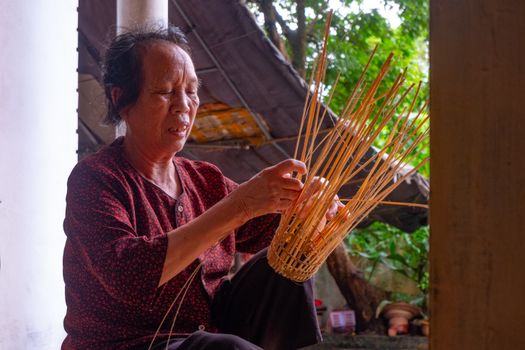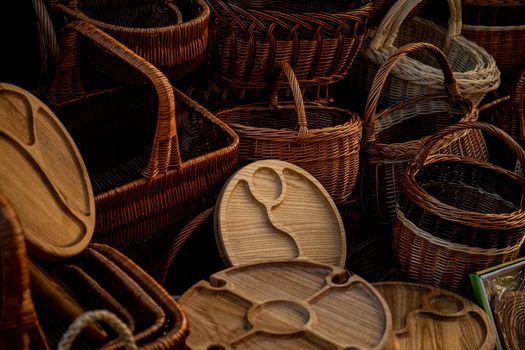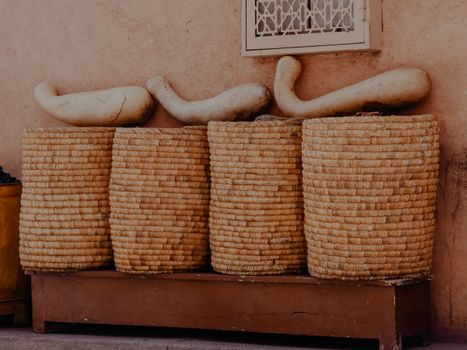
Across the United States, a remarkable revival is underway: the resurgence of interest in American traditional baskets. Once considered primarily utilitarian, these woven vessels are experiencing renewed appreciation as cultural treasures, artistic masterpieces, and symbols of sustainability. From museum exhibitions to community workshops, the art of American basketry is captivating new generations and reconnecting people with histories that span centuries. This article explores the multifaceted reasons behind this resurgence, the influence of technology and social trends, and what the future may hold for this vibrant craft tradition.
The Roots of American Traditional Basketry
To understand the current revival, it's essential to first appreciate the roots of American traditional basketry. For thousands of years, Indigenous peoples across North America have woven baskets for practical, ceremonial, and artistic purposes. Each tribe and region developed distinctive techniques and patterns, often using materials abundant in their local environment—such as river cane in the Southeast or sweetgrass in the Northeast.
European settlers brought their own weaving traditions, which soon melded with Native American methods, creating new forms and hybrid styles. By the 19th century, basketry was both a household necessity and a commercial enterprise, with baskets used for everything from harvesting crops to carrying newborns. However, the rise of industrial manufacturing in the 20th century led to a steep decline in traditional basket-making, threatening the survival of many techniques and styles.
Today, the renewed interest in American traditional baskets is not only about nostalgia. It’s a movement rooted in heritage preservation, environmental consciousness, and a growing desire for authentic, handmade goods.
Drivers of the Resurgence: Culture, Community, and Conscious Living
Several key factors are fueling the resurgence of American traditional baskets:
1. $1 Many Native American communities are leading efforts to revive traditional basketry as an act of cultural preservation and pride. Programs such as the Cherokee Basketry Project have trained over 200 new weavers since 2010, ensuring that endangered techniques are passed to future generations. 2. $1 As eco-conscious consumers seek alternatives to plastic and mass-produced goods, handwoven baskets—made from renewable, biodegradable materials—are gaining popularity. In 2022, a survey by the Craft Industry Alliance found that 68% of buyers cited sustainability as a key reason for purchasing handmade baskets. 3. $1 The meditative, hands-on process of basket weaving is celebrated for its mental health benefits. Community workshops are springing up across the country, offering not just instruction but also opportunities for social connection and stress relief. 4. $1 Museums, galleries, and collectors are increasingly recognizing baskets as high art. The annual Santa Fe Indian Market, for example, saw a 40% increase in basketry entries between 2018 and 2023, reflecting a wider public appreciation for the skill and creativity involved.The Role of Technology in the Basket Revival
While traditional basketry is rooted in handcraft, modern technology is playing a surprising role in its resurgence. Social media platforms such as Instagram and TikTok have become virtual galleries, allowing basket makers to showcase their work to a global audience. Hashtags like #basketweaving and #americanbasketry have accumulated millions of views, sparking interest among people who might never have encountered these crafts otherwise.
Online learning has also expanded access. In 2023 alone, enrollment in online basket-weaving courses rose by 35% compared to the previous year, according to data from the Craft School Alliance. Video tutorials and live-streamed workshops are helping to bridge the generational gap, making traditional techniques accessible to anyone with an internet connection.
E-commerce platforms further support this revival by providing artisans with direct-to-consumer sales channels. Etsy reported a 28% year-over-year increase in searches for "traditional American baskets" in 2023, demonstrating strong demand for authentic, handcrafted pieces.
Regional Styles: Diversity and Distinction in American Baskets
One of the most captivating aspects of the basketry revival is the rediscovery of regional styles and techniques. American traditional baskets are far from monolithic; they reflect the diverse histories and environments of their makers. Here’s a comparative overview of some key regional styles:
| Region | Tribe/Community | Materials Used | Notable Features |
|---|---|---|---|
| Southeast | Cherokee, Choctaw | River cane, white oak | Double-weave technique, intricate geometric patterns |
| Northeast | Passamaquoddy, Penobscot | Sweetgrass, ash splints | Coiled construction, natural dyes |
| Great Basin | Shoshone, Washoe | Willow, sumac, redbud | Miniature baskets, pictorial designs |
| Southwest | Hopi, Apache | Yucca, willow, devil’s claw | Coiled or twined, symbolic motifs |
| Pacific Northwest | Salish, Tlingit | Cedar bark, spruce root | Tightly twined, waterproof for berry picking |
Such local distinctions are enjoying renewed study and practice. Museums like the National Museum of the American Indian and craft fairs in states like Maine, Oklahoma, and California are helping to spotlight the wide variety of American basket traditions, drawing in both new learners and collectors.
Challenges and Opportunities for Contemporary Basket Makers
Despite growing enthusiasm, the resurgence of American traditional basketry faces several challenges. One major concern is the availability of raw materials. Many traditional plants, such as black ash and river cane, are threatened by habitat loss and invasive species. In the Great Lakes region, for example, the emerald ash borer has decimated local ash populations, putting centuries-old basket traditions at risk.
Efforts are underway to address these challenges. Nonprofits and tribal organizations are collaborating with environmental groups to restore habitats and propagate traditional basket plants. For example, the Passamaquoddy Forestry Department has planted over 5,000 sweetgrass seedlings since 2020 to ensure future supply for basket makers.
Another challenge is economic sustainability. While interest is high, artisan basket makers often struggle to compete with cheaper, mass-produced imports. Educational campaigns, fair-trade initiatives, and government grants—such as the National Endowment for the Arts’ Folk & Traditional Arts program—are helping to support practitioners and ensure that basket making remains a viable livelihood.
At the same time, the basketry revival presents exciting opportunities. Creative collaborations between traditional weavers and contemporary artists are producing innovative new forms, blending ancient techniques with modern aesthetics. Younger generations, drawn by the promise of meaningful, hands-on work, are increasingly choosing to apprentice with master basket makers, ensuring that traditions continue to evolve.
American Traditional Baskets in Modern Life and Design
The renewed fascination with American traditional baskets is not limited to museums and collectors. These time-honored crafts are finding fresh relevance in everyday life and contemporary design. Interior designers and home decor enthusiasts are incorporating baskets into modern spaces as functional art—whether as planters, wall hangings, or storage solutions.
In 2023, leading design magazines such as Architectural Digest and House Beautiful featured American traditional baskets in their trend forecasts, citing their ability to bring warmth, texture, and cultural resonance to interiors. The market for vintage and contemporary baskets is thriving: at the 2022 Brimfield Antique Show, basket sales increased by 22% compared to the previous year, reflecting both collector demand and a general desire for storied, handcrafted objects.
Beyond aesthetics, baskets are being reimagined for contemporary uses. Farmers’ markets, zero-waste stores, and eco-friendly brands are embracing baskets as sustainable alternatives to disposable bags and packaging. This functional renaissance ensures that basketry remains both relevant and visible in modern American life.
Looking Ahead: The Future of American Traditional Baskets
The resurgence of interest in American traditional baskets marks the beginning of an exciting new chapter for this ancient craft. As more people seek to reconnect with nature, heritage, and the satisfaction of making things by hand, basketry is poised to thrive.
Education will be key to sustaining this momentum. Initiatives that bring basket-making into schools, community centers, and digital classrooms will help ensure that skills are passed on and that the craft continues to innovate. Environmental stewardship—protecting and restoring the plants essential to basketry—will be equally vital.
Perhaps most importantly, the revival of basketry represents a broader cultural shift: a renewed appreciation for slow, intentional living and for the stories woven into every handmade object. As we look to the future, American traditional baskets are not just artifacts of the past—they are living testaments to creativity, resilience, and community.