The Impact of Natural Materials on the Design and Functionality of American Baskets
American baskets are more than just containers—they are a testament to the ingenuity, resourcefulness, and artistry of diverse cultures across the continent. At the heart of every basket lies a crucial choice: the materials from which it is made. For centuries, American basket makers have turned to the natural world, selecting and harvesting local plants that shape not only the form and beauty of their creations, but also how those baskets are used in daily life. In this article, we explore how natural materials have influenced the design and functionality of American baskets, from Indigenous traditions to contemporary craft revivals, and examine the enduring relationship between nature and this practical art form.
The Essential Role of Natural Materials in Basketry
Natural materials are the foundation of traditional American basketry. Unlike synthetic fibers or mass-produced products, baskets made from locally harvested plants possess unique tactile qualities, durability, and a strong sense of place. From the flexible ash trees of the Northeast to the sturdy river cane of the Southeast and the supple willow of the West, the choice of material is the starting point for every basket.
In the United States, more than 50 different plant species have been used historically for basket weaving, each contributing distinct properties. For example, black ash (Fraxinus nigra) is prized by Wabanaki and Great Lakes tribes for its pliability and strength. River cane (Arundinaria gigantea), vital to Cherokee and Choctaw basketry, is both lightweight and robust, ideal for carrying heavy loads. Willow (Salix spp.), widely used in the West, is valued for its flexibility and resilience.
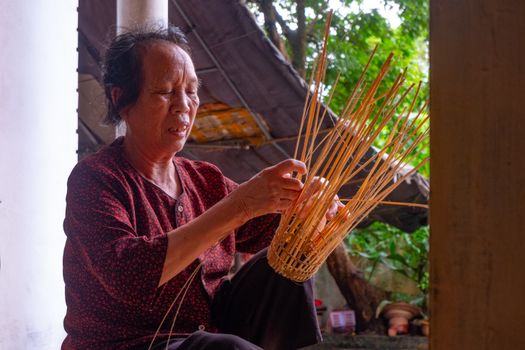
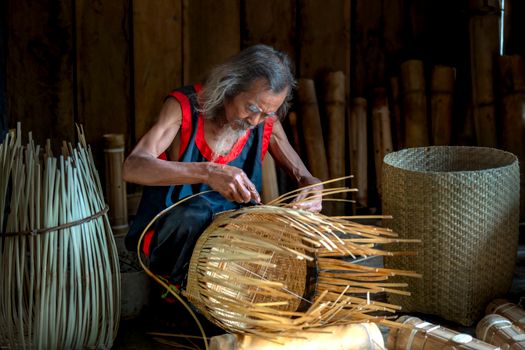
The gathering and preparation of these materials require specialized knowledge—timing the harvest for maximum pliability, splitting and peeling stems, and soaking or drying them for the right texture. This intimate connection between maker and material is a key reason why baskets from different regions are so distinct in both appearance and function.
How Material Choices Shape Design
The selected plant material directly determines the techniques, shapes, and decorative elements possible in a basket. Harder, stiffer woods like oak or hickory lend themselves to sturdy, ribbed baskets, often used for utilitarian purposes such as gathering crops or carrying firewood. Softer, more flexible materials like sweetgrass or pine needles allow for intricate coiling and fine, detailed designs.
For example, in the Southeast, sweetgrass (Muhlenbergia filipes) is coiled into the iconic Gullah baskets of South Carolina—delicate, tightly woven forms with sweeping curves. In contrast, the classic Shaker basket, made from strips of splint wood, features clean lines and geometric symmetry, reflecting the properties of ash or maple.
Color is also influenced by the material: some plants retain their natural hues, while others can be dyed using roots, berries, or bark. The reddish tones of red cedar (Thuja plicata) in Pacific Northwest baskets or the deep greens and yellows achieved with river cane and natural dyes in Choctaw work are striking examples.
Functionality: From Gathering to Storage and Beyond
The functionality of American baskets is inseparable from the materials used. Historically, baskets fulfilled a wide range of roles: harvesting, food storage, winnowing grain, carrying water, and even cooking. The demands of these tasks dictated the choice of material and the construction method.
For instance, California’s Indigenous peoples developed watertight baskets using tightly coiled redbud and sedge roots, enabling them to cook food by dropping hot stones into the basket. In the Northeast, the sturdy black ash splint baskets could withstand heavy loads and repeated use in farming and fishing.
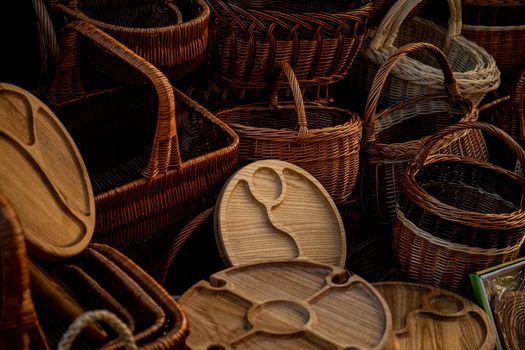
Today, basket makers still select natural materials for their suitability to the intended function. A market basket for carrying produce needs a strong base and rigid handles, often achieved with oak or ash. Decorative wall baskets, by contrast, may be crafted from thinner, more pliable vines or grasses.
The following table illustrates how different materials influence common basket functions:
| Material | Region | Key Properties | Common Functions | Notable Examples |
|---|---|---|---|---|
| Black Ash | Northeast, Great Lakes | Strong, pliable, splits easily | Storage, gathering, fishing | Wabanaki pack baskets |
| River Cane | Southeast | Lightweight, sturdy, dye-absorbing | Carrying, food storage | Cherokee doubleweave baskets |
| Willow | West, Midwest | Flexible, durable, fast-growing | Trapping, berry picking | Pomo burden baskets |
| Sweetgrass | Southeast, Atlantic Coast | Fragrant, flexible, fine texture | Decorative, market baskets | Gullah sweetgrass baskets |
| Pine Needles | South, Southwest | Long, flexible, aromatic | Coiled art, small containers | Florida Seminole baskets |
Sustainability and Cultural Relevance of Natural Materials
Harvesting natural materials for basketry is not just a technical process; it is deeply embedded in cultural traditions and environmental stewardship. Many Indigenous tribes have developed sophisticated systems for managing and regenerating plant populations. For instance, traditional black ash harvesters select only mature trees and replant to maintain the forest ecosystem. River cane restoration projects in the Southeast aim to revive not only the craft but also the habitats that support local biodiversity.
The movement toward natural materials in modern basketry also reflects growing interest in sustainable and eco-friendly crafts. According to the American Craft Council, sales of artisan baskets made from natural fibers increased by 18% from 2018 to 2022, as consumers seek out handmade, environmentally responsible products.
However, threats such as invasive species, habitat loss, and climate change pose challenges. The emerald ash borer, an invasive beetle, has destroyed millions of ash trees across the Midwest and Northeast, putting traditional black ash basketry at risk. Conservation efforts, including seed banks and partnerships between tribes and forestry experts, are working to safeguard these essential resources for future generations.
Innovation: Adapting Tradition for Contemporary Needs
While rooted in tradition, American basket makers continually innovate, adapting natural materials and techniques to suit modern lifestyles and artistic visions. Some weavers experiment with unconventional plant sources, such as invasive vines or urban foraged materials, creating baskets that comment on environmental change. Others blend traditional materials with new forms, such as sculptural wall art or wearable basketry.
Contemporary artists like Jeremy Frey (Passamaquoddy) and Shan Goshorn (Eastern Band Cherokee) have gained national recognition for pushing the boundaries of basketry—Frey by reviving intricate Wabanaki styles using black ash, and Goshorn by weaving political messages into river cane and paper.
Craft schools and community workshops across the country now teach basketry as both a functional skill and a form of self-expression, emphasizing the continued importance of natural materials. According to a 2023 survey by the National Basketry Organization, 72% of active basket weavers in the U.S. still prefer to work with locally sourced, natural materials over synthetics.
Natural Materials and the American Basket: Enduring Connections
The story of American baskets is inseparable from the landscapes that provide their raw materials. Every willow shoot, ash splint, or bundle of sweetgrass carries with it a legacy of environmental knowledge, artistic vision, and cultural continuity. As challenges mount—from ecological threats to the pressures of modernity—the enduring appeal of naturally made baskets speaks to deeper values: sustainability, craftsmanship, and the profound relationship between people and the natural world.
For basket makers and collectors alike, understanding the impact of natural materials is key to appreciating the diversity and resilience of American basketry. Whether admired for their beauty, utility, or symbolism, baskets woven from the earth’s bounty remain a vibrant thread in the fabric of American life.