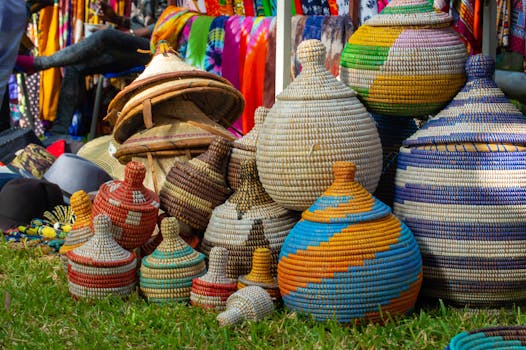
American Traditional Baskets and Their Cultural Variation: A Tapestry of Heritage Across Regions
Few objects in American history weave together artistry, functionality, and cultural identity as intricately as traditional baskets. These woven vessels are more than simple tools; they are storytellers, bearing the fingerprints of their makers and the legacies of entire communities. From the pine forests of the Southeast to the arid plateaus of the Southwest and the woodlands of the Northeast, American traditional baskets reflect a dazzling diversity of materials, techniques, and meanings. Understanding this variation is key to appreciating how baskets have served not just as containers, but as cultural touchstones across centuries.
The Roots of American Basketry: A Rich, Ancient Tradition
American traditional basketry predates recorded history. Archaeological finds suggest that Native Americans were weaving baskets at least 8,000 years ago, making it one of the oldest crafts on the continent. Early baskets were indispensable for everyday life—used for gathering food, storing seeds, carrying water, and even cooking. For instance, remnants of woven baskets found in the Nevada desert date back to about 6,500 BCE, showing the durability and sophistication of these early creations.
As European settlers arrived, they brought their own basket-making traditions, which gradually blended with Indigenous techniques. By the 19th century, distinct regional basket styles had emerged, each shaped by local resources, cultural customs, and evolving needs. Today, American baskets are celebrated as both functional objects and works of art, with hundreds of recognized styles spanning from coast to coast.
Regional Differences: Materials and Techniques
What makes American traditional baskets so varied? One major factor is geography. The materials available in each region—be it river reeds, sweetgrass, ash splints, or pine needles—directly influenced weaving methods and styles. Here’s a comparison of prominent regional basket traditions:
| Region | Main Materials | Notable Techniques | Famous Styles/Tribes |
|---|---|---|---|
| Northeast | Black ash, sweetgrass | Splint weaving, coiling | Wabanaki, Mohawk, Shaker |
| Southeast | Longleaf pine needles, river cane | Coiling, plaiting | Choctaw, Cherokee, Gullah |
| Southwest | Yucca, willow, devil’s claw | Coiling, twining | Hopi, Apache, Navajo |
| Pacific Northwest | Cedar bark, spruce roots, bear grass | Twining, plaiting, overlay | Salish, Tlingit, Makah |
| Midwest/Plains | Willow, bulrush, grasses | Twining, coiling | Ojibwe, Sioux, Ho-Chunk |
For example, the Wabanaki of the Northeast are known for their elegant brown ash and sweetgrass baskets, often adorned with intricate curls and woven patterns that echo the region’s rivers and forests. In contrast, Gullah basket makers of the South Carolina Lowcountry use locally harvested sweetgrass, palmetto, and pine needles to create the iconic coiled baskets that have become synonymous with the area.
Symbolism and Cultural Significance in Basket Design
Beyond their practical uses, traditional baskets often carry deep symbolic meanings. Patterns, shapes, and colors can represent tribal stories, clan affiliations, or spiritual beliefs. For instance, the Hopi of the Southwest integrate symbolic motifs into their baskets that reference rain, fertility, and the cycles of life—vital concepts in their arid homeland.
Among the Cherokee, double-weave river cane baskets were both a sign of artistic mastery and a means of encoding cultural identity. The double-weave technique, which creates two continuous woven walls, is unique to certain Southeastern tribes and is considered a major technical achievement.
In the Pacific Northwest, Tlingit and Haida basketry often features elaborate designs that tell ancestral stories or depict animals important to tribal mythology. The baskets are not only utilitarian but also ceremonial, used in potlatch feasts and as gifts marking significant life events.
Adapting to Change: Baskets in the Modern Era
American traditional baskets have always evolved to meet changing needs. In the late 19th and early 20th centuries, the rise of commercial basketry led to new forms and markets. For example, Shaker baskets from Maine became highly prized for their simplicity and durability, while Nantucket lightship baskets, originally made by sailors, became sought-after collectibles.
Industrialization and the availability of manufactured goods in the 20th century threatened traditional basket weaving. However, many Native communities and rural artisans kept the craft alive, adapting their products for tourism and the art market. As of 2023, traditional basketry is experiencing a resurgence: the 2022 American Craft Council survey reported a 15% increase in basketry workshops and sales at craft fairs compared to the previous decade.
Contemporary basket artists often blend traditional techniques with new materials and experimental forms, pushing the boundaries of what a basket can be. Some, like renowned Cherokee weaver Shan Goshorn, use basketry to comment on social issues, merging historic methods with modern messages.
Basketry as a Living Heritage: Community, Knowledge, and Continuity
Today, basket weaving is both a personal and a communal act. In many Indigenous communities, the transmission of basketry skills is vital for cultural survival. Elders teach the next generation not just how to weave, but also how to harvest materials responsibly, respect the land, and honor ancestors.
In 2020, the Native Arts and Cultures Foundation reported that over 90 tribal basketry programs were active in the United States, supporting apprenticeships, workshops, and exhibitions. Similarly, regional basket guilds—such as the National Basketry Organization—bring together makers of all backgrounds to share techniques and preserve rare traditions.
Educational initiatives have also brought basketry into schools and museums, allowing broader audiences to appreciate the complexity and beauty of these objects. The Smithsonian Institution’s National Museum of the American Indian holds over 4,000 baskets in its collection, serving as a resource for both scholarship and cultural revitalization.
Preservation Challenges and Sustainability of Basket Traditions
Despite its enduring legacy, traditional basketry faces significant challenges. Environmental threats, such as disease and habitat loss, endanger the raw materials needed for weaving. For example, the emerald ash borer has devastated black ash populations in the Northeast, threatening both the trees and the traditions that rely on them.
Efforts to sustain basketry include ecological restoration projects, seed banking, and advocacy for environmental protections. In 2019, the Wabanaki Alliance launched a major initiative to conserve black ash stands, combining scientific research with traditional ecological knowledge.
Additionally, economic pressures and urbanization can pull younger generations away from the time-intensive practice of basket weaving. Grant programs, artist residencies, and marketing support are helping to make basketry a viable livelihood for contemporary makers.
The Lasting Impact of American Traditional Baskets
American traditional baskets are more than relics of the past—they are vibrant expressions of identity, resilience, and creativity. Each basket contains layers of history, innovation, and meaning, shaped by the hands and hearts of countless makers. As both art and artifact, these baskets connect us to the land, to our ancestors, and to one another, weaving a shared story that continues to unfold.