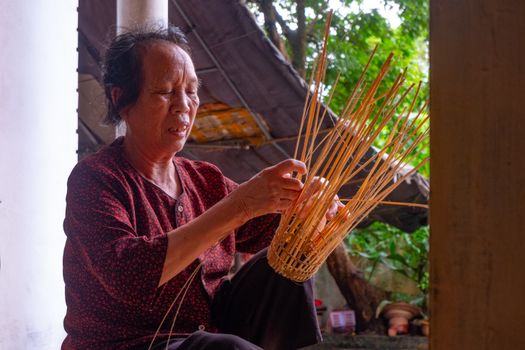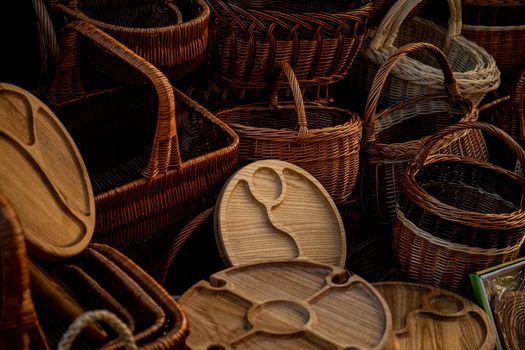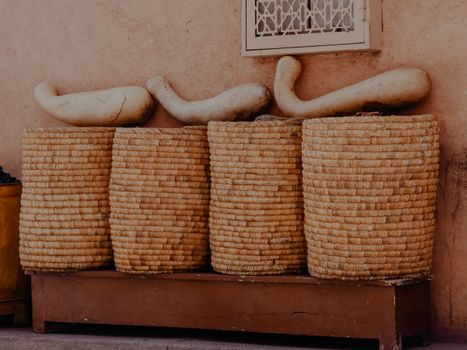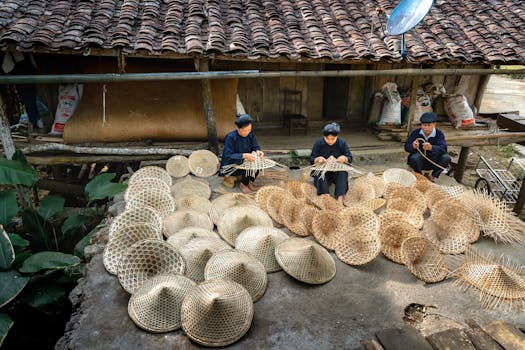
American traditional baskets are more than just functional objects—they are living testaments to centuries of artistry, resourcefulness, and cultural heritage. Each handwoven basket tells a story: of indigenous ingenuity, pioneer adaptability, and the evolution of American craftsmanship through generations. While many admire their beauty and durability, few pause to appreciate the immense skill and deep tradition behind their creation. This article offers a vivid glimpse into the craftsmanship of American traditional baskets, revealing the methods, materials, regional distinctions, and enduring influence that make these woven works truly exceptional.
The Roots of American Basketry: Ancient Beginnings
The origins of American basket weaving stretch back thousands of years. Archaeological discoveries have uncovered woven basket fragments dating as far back as 8,000 BCE among Native American peoples in regions such as the Southwest and California. These baskets served vital daily functions—gathering food, storing grains, even cooking with the help of heated stones.
Notably, the Ohlone people of California crafted baskets so watertight they could be used for boiling soups. Meanwhile, the Cherokee, Choctaw, and other Southeastern tribes developed double-weave techniques that added remarkable strength and intricate patterns to their creations. These indigenous techniques, passed down orally and through hands-on teaching, laid the foundation for American basketry as it exists today.
The arrival of European settlers in the 17th century further expanded basket-making traditions. Colonists drew from both Native American techniques and European styles, adapting them to local materials and needs. By the 19th century, basket making was a widespread domestic craft across rural America, essential for harvesting, storage, and market transport.
Materials: From Nature to Masterpiece
One of the defining characteristics of traditional American baskets is the careful selection and preparation of natural materials. Basket makers have always sourced what the landscape provides, with choices reflecting both regional ecology and basket function.
Some of the most common materials include:
- $1 Preferred in the Appalachian region, prized for its strength and flexibility. White oak splints produce sturdy market and egg baskets. - $1 Used extensively by tribes in the Great Lakes and Northeast. Its growth rings can be pounded and separated into thin, pliable strips. - $1 Essential in the coiled baskets of the Gullah people in South Carolina and Georgia, lending a subtle fragrance and golden color. - $1 Used for both frame and woven styles, especially in the Midwest and California. - $1 Employed in coiled and twined baskets by tribes in the Pacific Northwest and Southeast.Harvesting and preparing these materials is a skill in itself. For example, black ash logs are cut in spring, when sap flows freely, then pounded until the growth rings separate. Sweetgrass is gathered in summer, dried, and bundled. Each material brings unique texture, color, and durability to the finished basket.
Techniques and Tools: The Basketmaker’s Skillset
Traditional basketry involves a range of specialized techniques, with each community developing its own signature styles. Some of the most celebrated methods include:
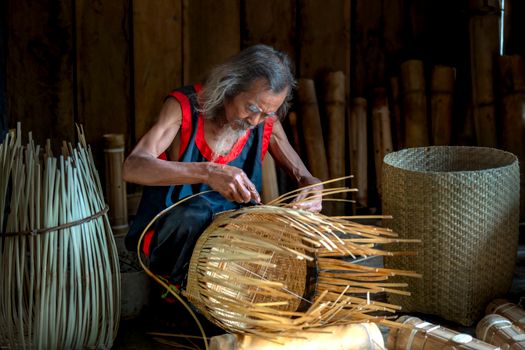
- $1 Thin strips of wood (like oak or ash) are woven over and under to create sturdy, angular forms. This technique is common in Shaker and Appalachian baskets. - $1 Long, flexible materials (such as sweetgrass or pine needles) are spiraled and stitched together with thread or grass. The Gullah sweetgrass basket is a renowned example. - $1 Two or more flexible weft elements are twisted around vertical spokes or warps, producing baskets with pronounced textures. The Pomo and Salish tribes are known for their twined baskets. - $1 Flat materials are woven in a crisscross pattern, as in many river cane baskets of the Southeast.Basketmaking tools have evolved little over the centuries: sharp knives for splitting wood, awls for piercing coils, and molds or forms for shaping symmetrical vessels. The expertise lies in the maker’s hands and eyes—judging tension, spacing, and shape by feel and experience.
Regional Styles: Diversity Across America
The variety of American traditional baskets is as vast as the country’s geography. Each region’s baskets reflect local materials, cultural influences, and the needs of daily life. Here’s a comparison of some prominent regional styles:
| Region | Signature Basket Type | Typical Materials | Notable Features |
|---|---|---|---|
| Appalachia | Egg, market, and buttocks baskets | White oak, hickory | Sturdy, utilitarian; unique shapes for specific uses |
| New England | Shaker and Penobscot baskets | Black ash, sweetgrass | Finely finished, precise symmetry |
| Southeast | River cane and split oak baskets | River cane, white oak | Double-weave, bold geometric patterns |
| Lowcountry (SC/GA) | Gullah sweetgrass baskets | Sweetgrass, bulrush, palmetto | Coiled, decorative, African influence |
| Great Lakes | Ojibwe and Potawatomi baskets | Black ash, birch bark | Twined and lidded forms, natural dyes |
| Pacific Northwest | Cedar bark and spruce root baskets | Cedar, spruce root, bear grass | Waterproof, used for storage and cooking |
This regional diversity is a testament to American basketmakers’ creativity and adaptability. For example, the “buttocks basket” (so named for its rounded base) was designed in Appalachia for easy carrying and even weight distribution, ideal for egg gathering. By contrast, the Gullah sweetgrass basket’s coiled construction and intricate designs reflect both West African heritage and adaptation to the tidal marshes of the Southeast.
The Role of Baskets in American Life and Culture
Beyond their practical uses, baskets have played a vital role in American social, economic, and spiritual life. For many indigenous communities, basket making is intertwined with ceremony and identity. Baskets have been used as gifts marking important life events, as trade goods, and as symbols of clan or tribe.
By the 1800s, American baskets were also central to rural economies. Families in regions like the Ozarks or Adirondacks would produce dozens of baskets each winter to sell at local markets or “basket bees.” Shaker baskets, known for their clean lines and meticulous construction, became prized across the country and are now highly collectible.
In the 20th and 21st centuries, basket making has experienced both decline and revival. Industrial production, changing lifestyles, and cultural disruption (especially for Native American communities) led to a decrease in everyday basket use. Yet recent decades have seen a renaissance as artists, tradition bearers, and collectors seek to preserve and celebrate basketry’s heritage.
Today, more than 100 Native American tribes actively maintain basket weaving traditions, and states like Maine and North Carolina host annual basket festivals. The sweetgrass basket stands as the official state handicraft of South Carolina, and organizations such as the National Basketry Organization support both traditional and contemporary makers.
Modern Innovations and Enduring Traditions
While honoring ancient methods, today’s basketmakers also experiment with new materials, forms, and purposes. Contemporary artisans blend traditional techniques with modern aesthetics: using recycled materials, incorporating dyes for bold color, or designing baskets as sculptural art.
Yet the core values remain unchanged. Each basket is an act of patience and respect for natural resources. It can take anywhere from several hours for a small basket to more than 50 hours for a large, intricately patterned work. For example, a single Gullah sweetgrass basket may require up to 10,000 stitches and over 40 hours of labor.
The market for American traditional baskets remains strong. According to the Craft Organization Development Association, sales of handcrafted baskets and woven goods topped $15 million in the United States in 2022. Collectors value provenance, craftsmanship, and uniqueness, with antique and rare baskets fetching thousands of dollars at auction.
Whether displayed in a museum, used in a home, or gifted to mark a special occasion, traditional American baskets continue to weave together the strands of history, artistry, and community.
Appreciating the Legacy of American Traditional Basket Craftsmanship
Exploring the craftsmanship of American traditional baskets is to glimpse a living heritage—one that bridges past and present, function and beauty, necessity and expression. These baskets embody the resilience and creativity of their makers, their cultures, and the land itself.
As you encounter a handwoven basket—whether in a rural market, an urban gallery, or your own home—pause to consider the centuries of skill, connection, and story woven within each fiber. American traditional baskets are not only tools but treasures, linking us to the enduring spirit of craft.