The Therapeutic Benefits of Making American Traditional Baskets
For centuries, American traditional basketry has been more than just a functional craft; it has served as a means of preserving culture, storytelling, and building community. Yet, beyond its historical and artistic significance, the act of making traditional baskets offers a range of therapeutic benefits that modern science is only beginning to fully appreciate. In a fast-paced digital world, more people are turning to traditional crafts as a way to reconnect with themselves, reduce stress, and promote holistic wellness. This article explores the myriad therapeutic advantages of making American traditional baskets, supported by research, expert insights, and real-world examples.
The Healing Power of Hands-On Crafting
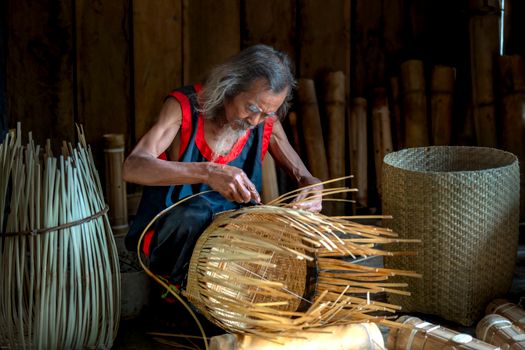
Engaging in hands-on creative activities has long been associated with mental and emotional well-being. According to a 2016 study published in the $1, individuals who take part in creative pursuits like crafting report increased feelings of happiness and life satisfaction. American traditional basket making, with its tactile processes and rhythmic motions, is particularly conducive to a meditative state of mind.
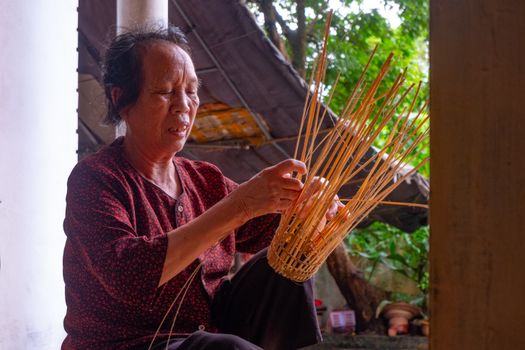
When weaving a basket, repetitive hand movements help quiet the mind and focus attention on the present. This mindfulness aspect has been shown to lower heart rate and reduce cortisol levels—the hormone associated with stress. A 2018 survey by the Craft Yarn Council found that 89% of respondents felt crafting helped them relax, and 81% reported it eased feelings of anxiety. The intricate weaving techniques used in basketry require concentration and patience, which are known to foster relaxation and sharpen cognitive skills.
Connecting with Ancestral Roots and Personal Heritage
For many practitioners, making American traditional baskets is a bridge to the past. The act itself can evoke a deep sense of cultural identity and continuity, particularly for Indigenous and rural communities. Engaging in these time-honored crafts connects individuals with generations of ancestors who used similar techniques and materials.
This connection is not just sentimental—it has measurable psychological benefits. A report from the National Endowment for the Arts highlights that participation in traditional cultural arts strengthens self-esteem and a sense of belonging. In Native American communities, basketry classes often double as gatherings for storytelling and intergenerational bonding. These interactions help reduce feelings of isolation and depression, especially among elders and youth.
Additionally, for those who may not come from a basket-making tradition, learning the craft can be a way to respectfully engage with and appreciate the diversity of American cultural heritage. This fosters empathy, curiosity, and a sense of global citizenship.
Improving Fine Motor Skills and Cognitive Function
The process of making traditional baskets involves a wide range of physical and mental skills. From preparing natural materials like river cane, willow, or sweetgrass, to executing complex patterns, basket making is a full-body experience. Studies show that fine motor activities like weaving can improve hand-eye coordination, dexterity, and even delay age-related cognitive decline.
A 2020 study in $1 found that older adults who regularly engaged in craft activities had a 30% lower risk of developing mild cognitive impairment compared to non-crafters. The attention to detail required in basketry exercises spatial reasoning, memory, and sequential thinking. For people recovering from injury or managing conditions like arthritis, basket making can be adapted as a gentle, purposeful form of occupational therapy.
Encouraging Mindfulness and Emotional Resilience
Mindfulness—the practice of being present and fully engaged in the moment—has been linked to lower levels of stress, anxiety, and depression. Making American traditional baskets naturally encourages a mindful state, as weavers must attend to each stitch and movement. The repetitive, rhythmic actions have a calming effect, similar to those found in yoga or meditation.
In therapeutic settings, basket making is used as a tool for emotional expression and processing. Art therapists often incorporate weaving into treatment for trauma, grief, or chronic stress. The structure and predictability of basket making can provide a sense of control and accomplishment, boosting confidence and emotional resilience.
A pilot program at the University of New Mexico demonstrated that participants in basketry workshops reported significant improvements in mood and a stronger sense of purpose. The act of transforming raw materials into a functional, beautiful object fosters a sense of agency and pride.
Building Social Connections and Community Support
While basket making can be a solitary pursuit, it often thrives in communal environments. Workshops, guilds, and cultural festivals dedicated to American traditional basketry offer opportunities for socializing, learning, and mutual support. These social connections are a key component of psychological well-being.
A 2019 survey by the National Alliance on Mental Illness (NAMI) found that individuals with strong social networks were 50% more likely to report positive mental health. Group basket making sessions encourage cooperation, communication, and the sharing of skills. For many, these communities become a lifeline—a source of friendship, encouragement, and shared achievement.
Below is a comparison of the primary therapeutic benefits of basket making versus other common crafts:
| Therapeutic Benefit | Traditional Basket Making | Knitting/Crochet | Painting |
|---|---|---|---|
| Mindfulness | High (rhythmic weaving, tactile) | Moderate to High | Moderate |
| Fine Motor Skill Development | High (precise weaving, material prep) | Moderate | Low to Moderate |
| Cultural Connection | Very High (heritage, tradition) | Moderate (depends on tradition) | Low |
| Social Engagement | High (workshops, guilds) | Moderate | Variable |
| Emotional Expression | High | Moderate | High |
Physical Benefits: Stress Reduction and Pain Management
The physical actions involved in basket making, from gathering materials to weaving, can have direct health benefits. The repetitive hand movements promote circulation and joint flexibility. For individuals with chronic pain, gentle craft activities can serve as a form of distraction, reducing the perception of pain by up to 25%, according to a 2017 report by the American Pain Society.
The act of being physically engaged in a meaningful task triggers the release of endorphins, which are natural mood lifters and pain relievers. Additionally, spending time outdoors to collect natural materials for basketry increases exposure to sunlight and fresh air—both of which are linked to improved immune function and reduced symptoms of seasonal affective disorder.
Why Making American Traditional Baskets Matters for Modern Well-Being
In an age dominated by screens and digital distractions, the immersive, hands-on practice of basket making offers a valuable counterbalance. Participants not only create beautiful, functional objects but also nurture their minds, bodies, and spirits. From documented reductions in stress and anxiety to improved cognitive and physical health, the therapeutic benefits of making American traditional baskets are as diverse as the artisans themselves.
The resurgence of interest in traditional crafts is more than a nostalgic trend—it is a testament to the enduring human need for connection, creativity, and purpose. Whether practiced alone, with family, or as part of a larger community, basket making weaves together wellness, heritage, and artistry in a uniquely holistic way.