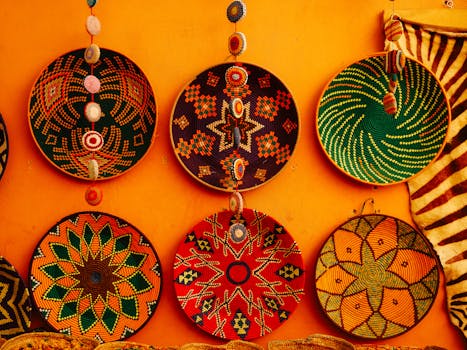
Baskets in American Tradition: More Than Just a Household Item
From the earliest days of the continent’s settlement to the present, baskets have been woven into the fabric of American life. While often regarded as simple storage solutions or charming decor, baskets in American tradition carry stories, symbolize cultural identity, embody artistic expression, and play vital roles in community life. Their evolution, significance, and continued relevance reveal that baskets are far more than mere household items—they are tangible threads connecting past, present, and future.
The Historical Tapestry: Baskets in Early American Life
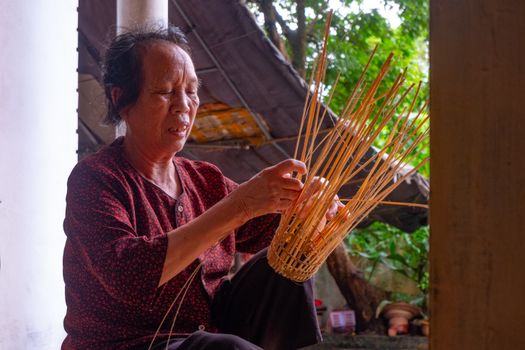
Long before baskets adorned kitchen shelves or living room corners, they were indispensable tools for survival. Indigenous peoples across North America developed sophisticated basketry techniques thousands of years ago, utilizing local materials like river cane, sweetgrass, and willow. These baskets were not only utilitarian—used for gathering crops, carrying water, and storing food—but also deeply symbolic. Patterns and weaving methods often identified a tribe or family lineage, and certain baskets were reserved for sacred ceremonies or rites of passage.
With the arrival of European settlers in the 1600s, basketmaking became a shared craft. Colonists relied on baskets for harvesting, fishing, and transporting goods, adapting Native techniques and materials. According to the Smithsonian Institution, by the 18th century, nearly every American household owned at least a dozen baskets, each serving a distinct purpose. The tradition of basketmaking grew to reflect a blend of indigenous, European, and African artistry, as enslaved Africans brought their own weaving traditions to America, notably the coiled sweetgrass baskets of the Lowcountry.
Symbolism and Storytelling: The Cultural Power of Baskets
Beyond their practical uses, baskets have long served as vessels of meaning. In Native American communities, baskets often symbolize the interconnectedness of nature and humanity. The Hopi people, for example, weave baskets to honor Mother Earth, with designs representing rain, crops, and fertility. In Gullah Geechee culture, sweetgrass baskets are more than market goods—they are links to African ancestry and symbols of resilience.
Baskets have also played roles in storytelling and social rituals. For instance, the Cherokee “double-weave” basket is renowned for its complexity and is often given as a gift to mark significant life events. In Amish communities, handcrafted baskets are integral to barn-raisings and communal gatherings, embodying values of cooperation and craftsmanship.
During the 19th and early 20th centuries, baskets became cherished heirlooms. Many American families passed down baskets as dowries or wedding gifts, imbuing them with generational significance. Today, museums such as the National Museum of the American Indian and the Shelburne Museum house extensive basket collections, preserving the stories woven into each piece.
Regional Diversity: Styles and Materials Across America
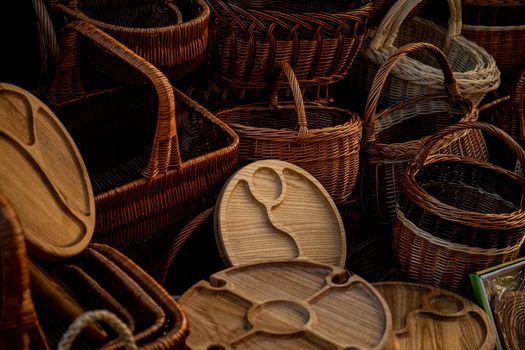
The diversity of American landscapes—forests, plains, marshes, and deserts—has given rise to a remarkable variety of basket styles and materials. Each region boasts its own distinct traditions:
- In the Northeast, Wabanaki tribes use brown ash and sweetgrass for sturdy, intricate baskets. - The Pacific Northwest is known for twined cedar bark baskets, waterproof and ideal for fishing communities. - The Southwest’s Hopi and Apache peoples are celebrated for their colorful coiled baskets, often adorned with geometric patterns. - The Lowcountry of South Carolina and Georgia is home to the revered Gullah sweetgrass basket, a tradition recognized by UNESCO for its cultural significance.To illustrate the variety, here’s a comparative table highlighting major regional basket styles:
| Region | Notable Group | Materials | Distinct Features |
|---|---|---|---|
| Northeast | Wabanaki | Brown ash, sweetgrass | Splint weaving, colorful curls, utilitarian and decorative |
| Southeast | Gullah/Geechee | Sweetgrass, palmetto, pine needles | Coiled, hand-sewn, African influences, intricate designs |
| Southwest | Hopi, Apache | Willow, yucca, sumac | Coiled, bright dyes, ceremonial uses |
| Pacific Northwest | Tlingit, Makah | Cedar bark, spruce root | Twined, waterproof, often lidded |
| Midwest | Ojibwe | Birch bark, cedar, sweetgrass | Birch bark containers, utilitarian |
Regional basketry is not only a reflection of available resources but also of the environments, lifestyles, and histories unique to each area of the country.
Baskets as Art: From Folk Craft to Fine Art
In the late 20th century, the perception of baskets began to shift. No longer seen solely as folk crafts or utilitarian objects, baskets entered the world of fine art. Artists like Mary Jackson, a MacArthur Fellow from South Carolina, elevated the sweetgrass basket to museum status, showcasing the artistry and technical mastery involved.
Contemporary basketmakers experiment with new materials, forms, and concepts. For example, Ed Rossbach, often called the "father of contemporary basketry," used plastic, newspaper, and wire, blurring the line between craft and sculpture. In 2022, the Renwick Gallery in Washington, D.C., held an exhibition featuring over 50 contemporary basket artists, reflecting the growing recognition of basketry as a vital and evolving American art form.
The value of baskets has also soared in the collectors' market. According to a 2023 report by Artsy, rare Native American baskets can fetch between $5,000 and $50,000 at auction, with provenance, age, and craftsmanship as key factors.
Community, Commerce, and Sustainability
Basketmaking continues to support American communities, both culturally and economically. In many Native and rural communities, basketry is a source of income and a means of preserving heritage. The economic impact is significant: the U.S. Census Bureau reported that in 2021, over 6,000 Americans listed basketmaking as their primary occupation, contributing an estimated $150 million annually to local economies.
Modern consumers are also drawn to baskets for their sustainability. Unlike plastic storage containers, baskets made from natural fibers are biodegradable and renewable. In a 2022 survey by the American Sustainable Goods Association, 68% of respondents said they prefer handwoven baskets for storage and decor due to their eco-friendly qualities.
Community basket festivals, such as the annual Sweetgrass Festival in Mount Pleasant, South Carolina, attract thousands of visitors, promoting cultural exchange and economic growth. Educational workshops and apprenticeships help ensure the transmission of skills to future generations.
The Enduring Relevance of Baskets in Modern American Life
Despite technological advances and changing tastes, baskets remain woven into the routines and rituals of American life. They appear at farmers’ markets, church picnics, and holiday gatherings, and are increasingly popular as wedding and housewarming gifts. Interior designers favor baskets for their natural textures, versatility, and ability to blend with both rustic and contemporary aesthetics.
Moreover, baskets serve as a bridge between generations and cultures. For many, learning to weave a basket with a parent or grandparent is a cherished memory. In urban areas, basketmaking workshops offer a respite from digital overload, inviting participants to reconnect with traditional skills and sustainable practices.
Baskets also play a role in contemporary social movements. Organizations such as the Indigenous Basketmakers Collective use basket sales to fund language revitalization and land stewardship programs. Thus, the humble basket remains a powerful symbol of continuity, resilience, and creativity in American tradition.