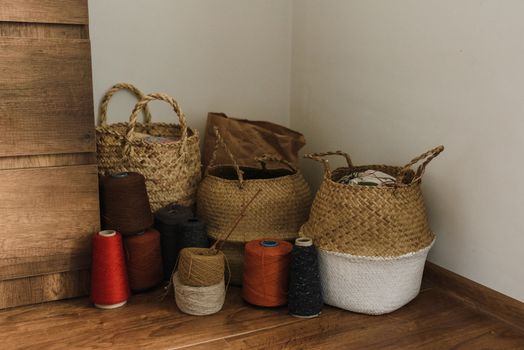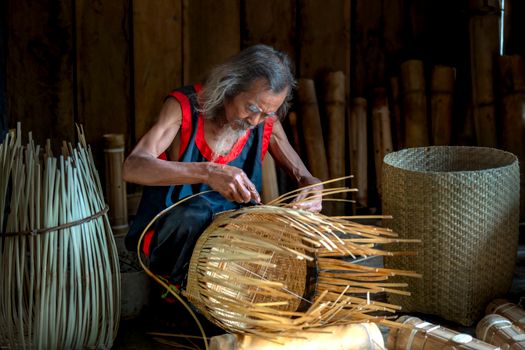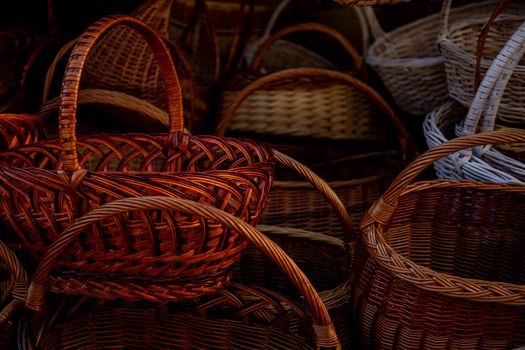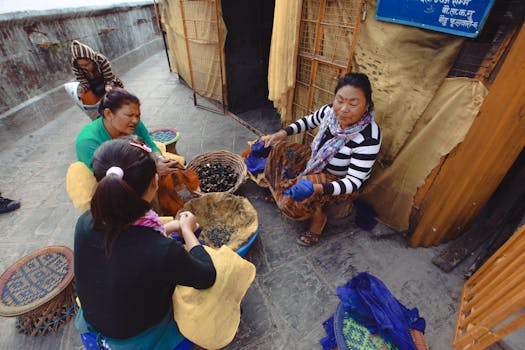
American traditional baskets are more than just vessels for carrying and storing goods—they are woven legacies. With roots stretching back centuries, these baskets reflect the ingenuity and artistry of Native American tribes and early settlers alike. Today, as people seek to blend heritage with contemporary aesthetics, integrating American traditions baskets into modern decor has become a captivating trend. But how can these time-honored creations fit seamlessly into today's homes and lifestyles? This article explores creative approaches, design strategies, and real-world examples for weaving the beauty and history of traditional American baskets into modern living spaces.
The Enduring Legacy of American Traditions Baskets
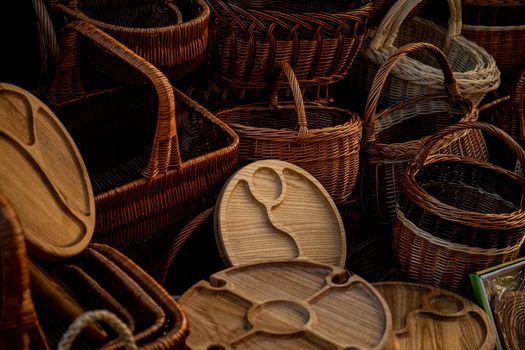
American traditions baskets are a testament to both function and artistry. Made from locally sourced natural materials like ash, sweetgrass, white oak, and willow, these baskets were originally crafted for practical uses—gathering crops, storing food, and transporting goods. However, their carefully constructed forms, intricate weaves, and decorative touches also embody the unique cultural identities of their makers.
According to the Smithsonian Institution, over 50 distinct Native American basketry traditions exist in North America, each with its own weaving techniques, patterns, and cultural meanings. For example, the double-weave baskets of the Cherokee are renowned for their durability, while the coiled pine needle baskets of the Seminole are admired for their delicate artistry.
Today, these baskets not only connect us with American heritage but also provide sustainable, natural elements that complement modern interiors. In fact, a 2022 National Endowment for the Arts study found that 48% of Americans are now more likely to incorporate handcrafted, heritage-inspired items in their home decor, reflecting a growing appreciation for authenticity and craftsmanship.
Modern Design Trends Embracing Traditional Baskets
The resurgence of interest in handmade, sustainable decor has made American traditions baskets highly sought-after accessories in modern homes. Designers and homeowners alike are leveraging the versatility and visual appeal of these baskets to create spaces that feel both timeless and current.
Key trends include:
- $1: With a 2023 Houzz survey showing that 61% of homeowners prefer eco-friendly decor, traditional baskets—made from renewable materials—are a natural fit for green interiors. - $1: The tactile quality of woven baskets adds warmth and depth to minimalist spaces, softening the clean lines of modern architecture. - $1: Baskets in natural hues of tan, brown, and cream complement the muted color schemes popular in contemporary design. - $1: Rather than hiding away utilitarian objects, today’s decor celebrates them. Displaying traditional baskets honors their craftsmanship while serving practical needs.Incorporating baskets can be as simple as hanging a grouping on a wall for a gallery-style effect or using a large lidded basket as an unconventional coffee table. The key is balancing their historical significance with the simplicity and openness of modern interiors.
Creative Ways to Incorporate Baskets in Different Spaces
Integrating American traditions baskets into modern decor requires thoughtful placement and an understanding of both the basket’s history and the room’s purpose. Here are several room-by-room suggestions:
$1 - Wall installations: Arrange baskets of varying sizes and patterns in a clustered display for instant visual interest. - Storage with style: Use deep baskets to hold throws, magazines, or children’s toys, keeping clutter at bay while showcasing craftsmanship. $1 - Fruit bowls and bread baskets: Shallow, round baskets make beautiful centerpieces that are also food-safe if lined. - Shelf accents: Smaller baskets can hold utensils, napkins, or spice jars, adding texture and a touch of Americana. $1 - Under-bed storage: Slide long, shallow baskets beneath the bed for off-season clothing or extra linens. - Vanity organization: Use small, lidded baskets for jewelry, cosmetics, or keepsakes. $1 - Catch-all containers: Place a sturdy basket by the door for shoes, umbrellas, or mail. - Wall hooks and baskets: Hang baskets from hooks for keys, scarves, or pet leashes. $1 - Towel storage: Stack rolled towels in a large woven basket for a spa-like effect. - Toiletry holders: Group smaller baskets on open shelves to organize soaps, lotions, and other essentials.Mixing Heritage and Modernity: Design Strategies
To ensure that traditional baskets enhance, rather than clash with, modern decor, consider these design strategies:
1. $1: Pair larger, statement baskets with substantial furniture pieces, and use smaller baskets as accents. This creates harmony and prevents the space from feeling cluttered. 2. $1: Choose baskets in natural tones that complement your room’s palette. For a bolder look, select baskets with dyed patterns that echo accent colors in your decor. 3. $1: Combine the organic texture of baskets with sleek surfaces like glass, metal, or lacquered wood for a pleasing contrast. 4. $1: Give each basket a defined role—whether storage, display, or organization—so they feel intentional rather than random. 5. $1: Whenever possible, use baskets with known provenance or artisan signatures. Displaying a card or tag about the basket’s origin adds meaning and can spark conversation. 6. $1: Rotate baskets seasonally or for special occasions to keep your decor fresh and dynamic.Traditional Baskets vs. Contemporary Storage: A Practical Comparison
When it comes to organizing the modern home, both traditional baskets and contemporary storage solutions have their place. The table below highlights their respective benefits and considerations:
| Feature | Traditional American Baskets | Contemporary Storage Solutions |
|---|---|---|
| Material | Natural fibers (ash, willow, sweetgrass, oak) | Plastic, metal, fabric, engineered wood |
| Sustainability | High (renewable, biodegradable) | Varies (often synthetic materials) |
| Visual Appeal | Artisanal, unique, adds warmth | Functional, sleek, sometimes cold |
| Durability | Decades with proper care | Varies; some prone to wear or breakage |
| Cost | $40–$600+ (depending on craftsmanship and rarity) | $10–$200 (mass-produced options) |
| Historical Value | High; often collectible | Low; mass-produced, little heritage |
While modern storage can be cost-effective and space-saving, traditional baskets offer unmatched authenticity, sustainability, and decorative value. Many homeowners now choose to blend both, using baskets for visible storage and contemporary bins for hidden organization.
Real-Life Examples: Baskets in Modern Interiors
Across the country, designers are finding innovative ways to showcase American traditions baskets in contemporary settings. For instance, in a 2023 renovation featured in Architectural Digest, a Brooklyn loft combined industrial elements with a wall of Cherokee river cane baskets, creating a striking focal point. The contrast between the baskets’ organic forms and the loft’s exposed brick and steel beams exemplified the harmony possible between old and new.
In another example, a Seattle family home incorporated Penobscot ash-splint baskets in the entryway. These baskets, sourced from a Maine artisan, were used to store gloves and hats while also reminding the family of their New England roots. The homeowners reported that guests frequently asked about the baskets, sparking conversations about American craft traditions.
Interior designer Jessica Helgerson notes that clients increasingly request heritage baskets for their warmth and storytelling potential: “Even in the most modern spaces, a well-placed traditional basket instantly makes the room feel more inviting and connected to history.”